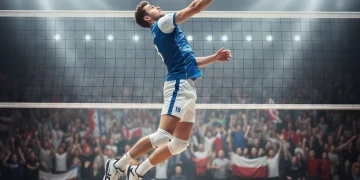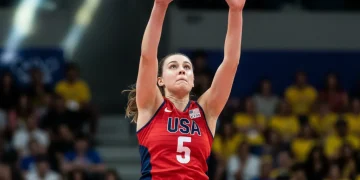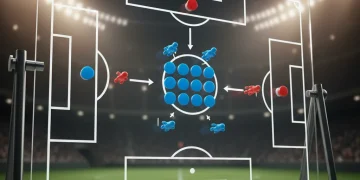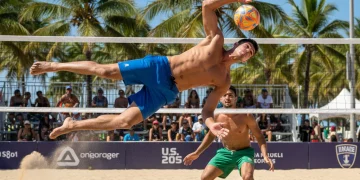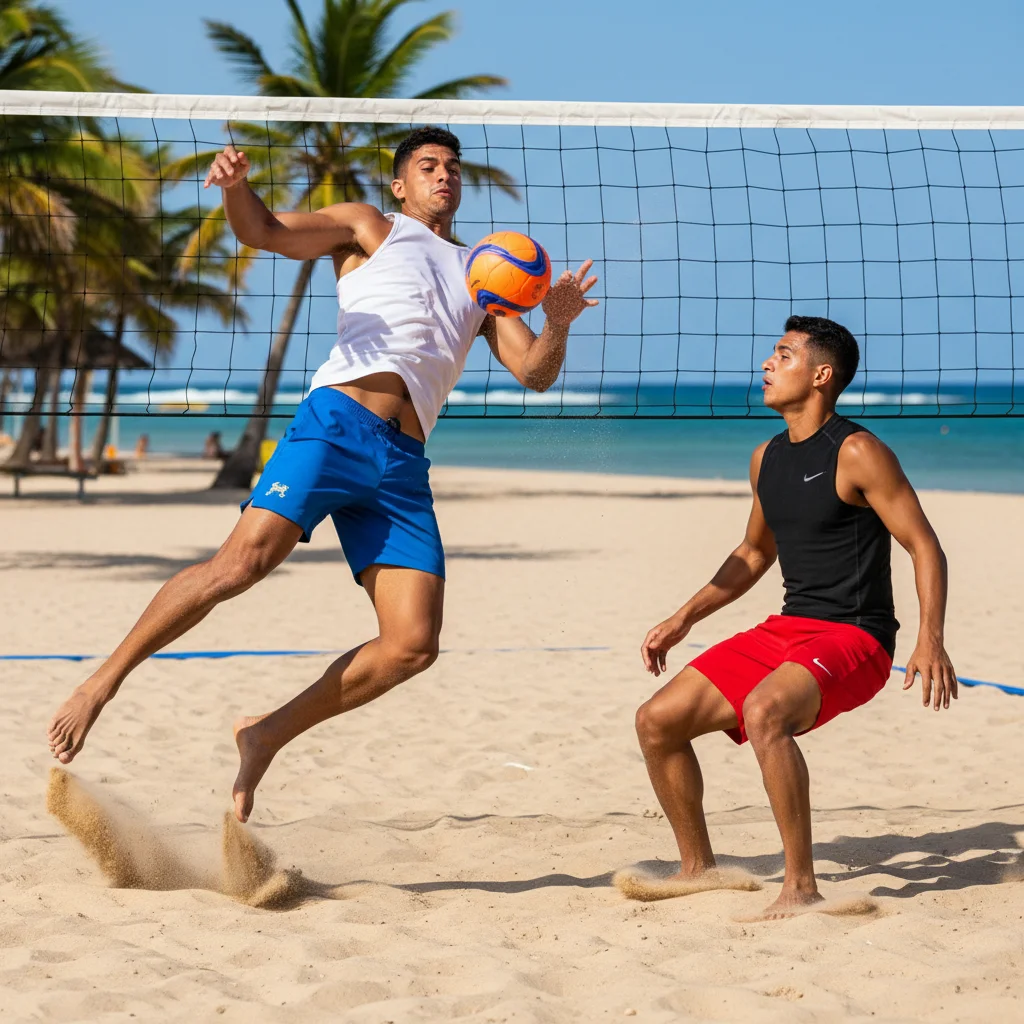
Footvolley, a captivating blend of soccer and volleyball, demands an unparalleled combination of athleticism, precision, and strategic thinking. While offensive prowess often garners the most attention, it’s the mastery of Footvolley Defensive Drills that truly separates good players from great ones. In the competitive landscape of US footvolley, top athletes are constantly refining their defensive techniques, aiming to reduce errors and gain a crucial edge. This comprehensive guide will delve into the most effective Footvolley Defensive Drills, offering insights and actionable strategies that US players can implement to significantly cut down on errors, potentially by as much as 20% this year.
Anúncios
The foundation of a strong footvolley game lies in its defense. An impenetrable defense not only frustrates opponents but also creates more opportunities for your team to transition into offense. Errors in defense—misjudging a ball, poor positioning, or failed digs—are often the primary culprits behind lost points. By focusing on targeted Footvolley Defensive Drills, players can develop the muscle memory, spatial awareness, and quick reactions needed to minimize these mistakes.
Understanding the Core Principles of Footvolley Defense
Before diving into specific drills, it’s crucial to understand the fundamental principles that underpin effective footvolley defense. These principles are universal, yet their application requires consistent practice and adaptation to various game scenarios.
Anticipation and Reading the Game
One of the most critical defensive skills is the ability to anticipate your opponent’s moves. This involves reading body language, understanding common attack patterns, and predicting where the ball is likely to go. Top US players spend countless hours analyzing their opponents, which allows them to react faster and position themselves more effectively. Drills that focus on visual cues and decision-making under pressure are vital for developing this skill.
Anúncios
Strategic Positioning
Proper positioning is not static; it’s a dynamic process that evolves with each play. Defenders must constantly adjust their stance and location based on the opponent’s attack angle, their partner’s position, and the trajectory of the ball. Understanding court coverage and knowing when to cover the line versus cross-court shots are essential. Many Footvolley Defensive Drills emphasize quick lateral movements and intelligent court awareness.
Effective Communication
Footvolley is a team sport, even with just two players. Clear and concise communication with your partner is paramount for effective defense. Calling out shots, indicating coverage zones, and alerting each other to potential threats can prevent errors and ensure seamless transitions. Drills should incorporate verbal cues and emphasize collaborative defensive strategies.
Mastering Defensive Techniques: Digs and Blocks
The physical execution of defensive plays primarily revolves around digging and blocking. Digging involves using various parts of the foot, chest, or head to keep the ball in play after an opponent’s attack. Blocking, while less common than in volleyball, still plays a role in disrupting spikes and forcing errors. Both require precision, power, and impeccable timing.
Essential Footvolley Defensive Drills to Reduce Errors
Now, let’s explore a series of Footvolley Defensive Drills designed to target specific aspects of defense, helping US players reduce errors and elevate their game.
1. The Rapid-Fire Dig Drill
Objective: Improve quick reaction time, footwork, and consistent digging technique under pressure.
Setup: = One player (attacker) stands at the net, while the other (defender) stands 3-4 meters back. The attacker rapidly serves or spikes balls to various spots on the defender’s side of the court.
Execution: The defender must react quickly to dig each ball, aiming to send it back to the attacker or a designated target zone. Focus on getting low, using the correct part of the foot (instep, laces, sole), and maintaining balance. Start with predictable shots and gradually introduce more varied and challenging attacks.
Variations:
- Directional Digs: Require the defender to dig the ball to a specific target (e.g., always to the right of the attacker).
- Two-Touch Digs: After the initial dig, the defender must make a second touch to set up their partner (imaginary or real) for an attack.
- Randomized Attacks: The attacker varies the power and placement of shots, forcing the defender to adapt instantly.
Why it works: This drill simulates game-like pressure, forcing players to make quick decisions and execute digs effectively. The repetition builds muscle memory and improves agility, directly reducing errors stemming from slow reactions or poor technique.
2. Court Coverage and Zone Defense Drill
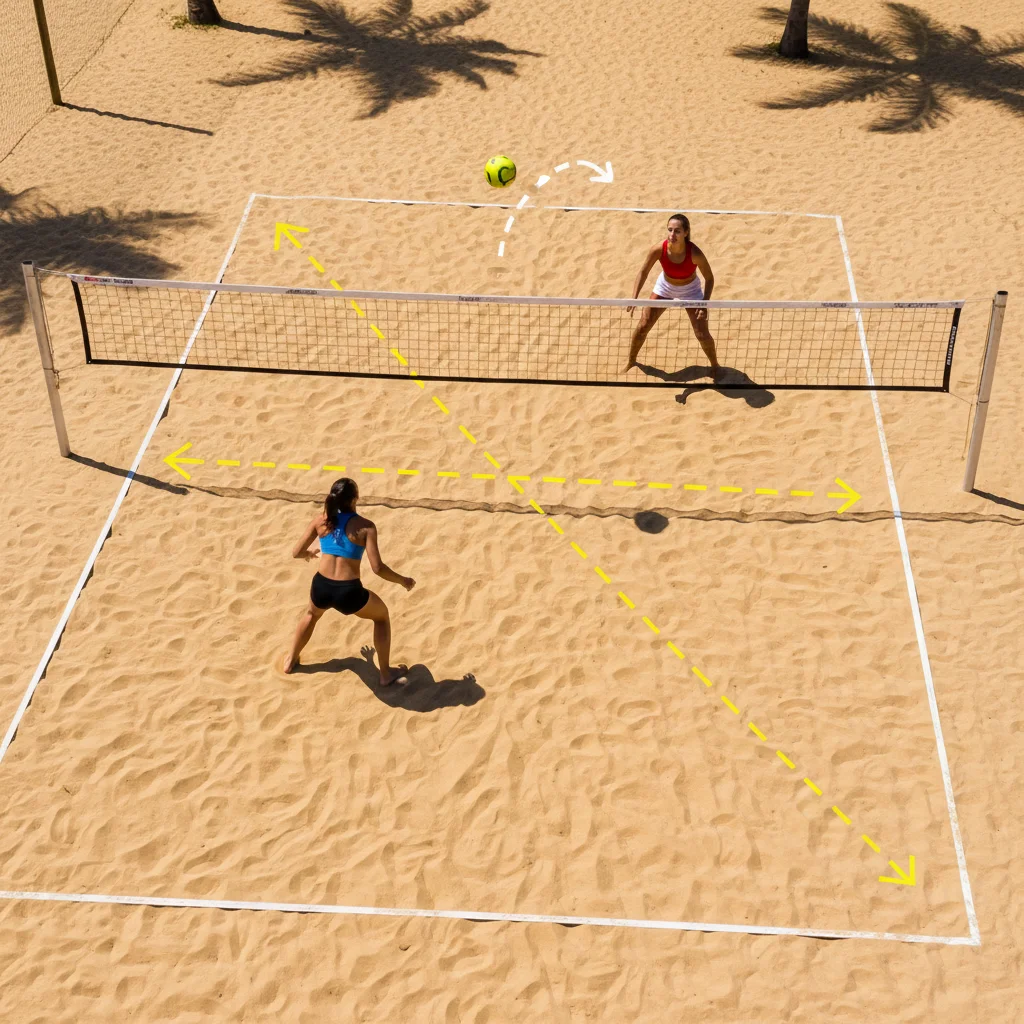
Objective: Enhance strategic positioning, court awareness, and communication between partners.
Setup: Two defenders on one side of the court. An attacker on the opposite side serves or spikes balls to different zones.
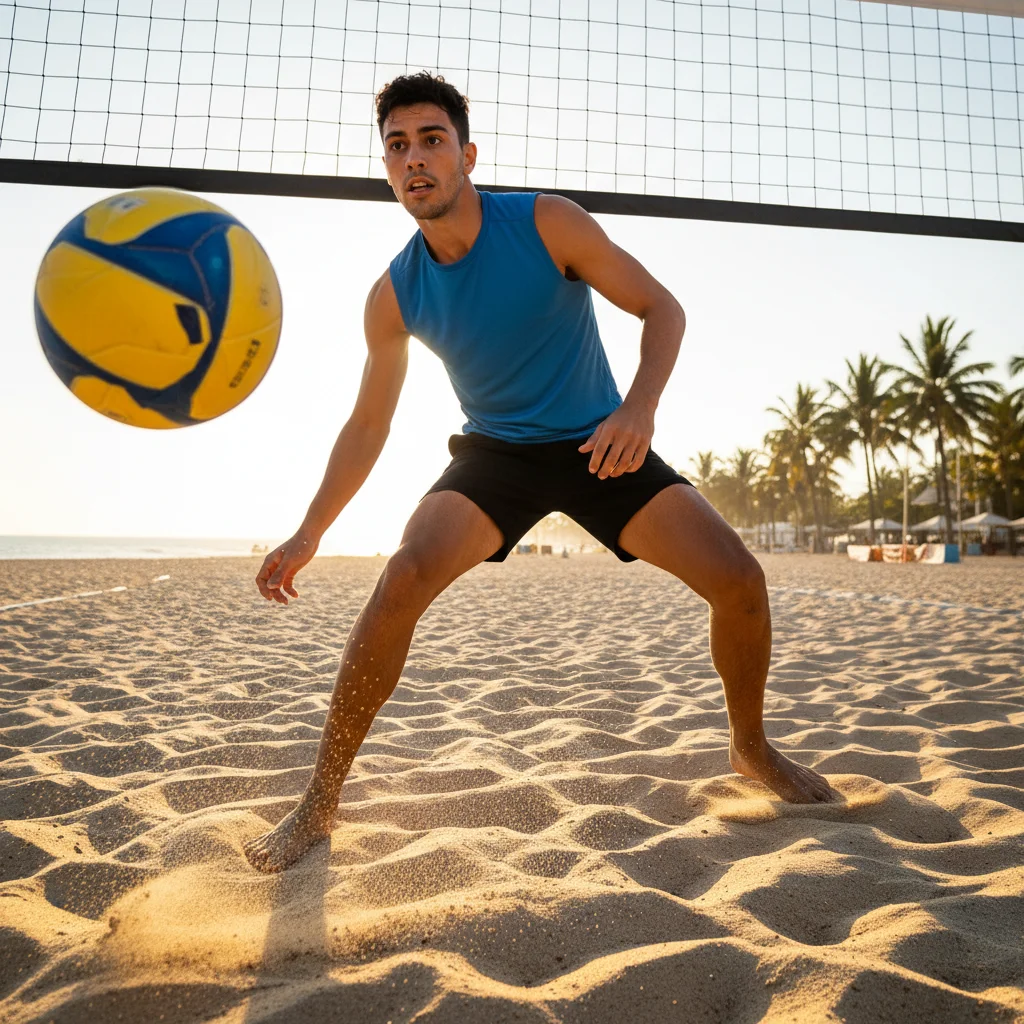
Execution: The defenders must communicate and adjust their positions to cover the entire court effectively. One player might cover the ‘line’ shot, while the other covers the ‘cross-court’. The attacker varies shots, sometimes targeting the seam between defenders, forcing them to decide who takes the ball. Emphasize verbal calls like “mine,” “yours,” or “through.”
Variations:
- Rotational Defense: After each dig, players rotate positions to practice covering different zones.
- Blind Spot Drill: The attacker deliberately targets areas that are difficult for both players to reach, forcing them to anticipate and adjust their starting positions.
- Scenario-Based Defense: Set up specific game scenarios (e.g., opponent hitting from the left sideline, partner out of position) and practice defensive adjustments.
Why it works: This drill is crucial for minimizing errors related to miscommunication and poor court coverage. By practicing dynamic positioning, players learn to anticipate where their partner will be and how to best support them, leading to fewer balls dropping untouched.
3. The Wall Block/Chest Block Drill
Objective: Improve timing, body positioning, and stability for defensive blocks.
Setup: One player (attacker) repeatedly spikes balls from various angles towards the net. The defender stands close to the net.
Execution: The defender practices using their chest, head, or shoulders to block the incoming spike, aiming to deflect it downwards or control it for a subsequent touch. Focus on jumping or leaning into the ball, creating a solid ‘wall’ with the body. Emphasize absorbing the impact rather than just deflecting.
Variations:
- Directional Blocks: Attempt to block the ball towards a specific area on the opponent’s side.
- Partner Block: Two defenders practice coordinated blocks, simulating a double block scenario, even if it’s less common in footvolley.
- Live Block: Incorporate a live server/attacker to make the drill more realistic and challenge timing.
Why it works: While not as prevalent as digging, a well-executed block can be a game-changer. This drill reduces errors by improving the defender’s ability to disrupt powerful spikes, giving their partner more time to react to the deflected ball or forcing an opponent’s error.
4. Transition Defense Drill
Objective: Develop seamless transition from defense to offense after a successful dig.
Setup: One attacker, two defenders. The attacker spikes, and the defenders dig the ball. After the dig, one defender must set the ball for the other, who then attempts an offensive shot.
Execution: This drill connects defensive success with offensive opportunity. The focus is not just on the dig, but on the quality of the subsequent set. The digger must place the ball accurately for their partner to make a clean second touch. The setter then aims for a perfect setup, allowing the attacker to execute a strong offensive play.
Variations:
- Forced Attack: After the dig and set, the ‘attacker’ must execute a specific type of offensive shot (e.g., a drop shot, a power spike).
- Varying Dig Quality: The initial dig might be difficult, forcing the setter to adapt and make the best possible play from a challenging position.
Why it works: Many errors occur during transitions. This drill trains players to not only save the ball but to immediately turn that save into an offensive threat, reducing errors that come from disjointed play between defense and offense.
5. Out-of-Bounds Recovery Drill
Objective: Improve agility, speed, and ball control when retrieving balls that are just out of reach or near the court boundaries.
Setup: One attacker, one defender. The attacker places balls intentionally wide or deep, forcing the defender to sprint and make a difficult save.
Execution: The defender must quickly move to the ball, often stretching or diving, and use their foot or head to keep it in play. The focus is on controlled recovery, aiming to send the ball back towards the center of the court rather than just getting it over the net.
Variations:
- Consecutive Recoveries: The attacker hits multiple balls in quick succession to different difficult spots, testing the defender’s endurance and consistency.
- Partner Assisted Recovery: A second player acts as a ‘backup’, ready to receive the ball if the first defender makes a difficult, uncontrolled save.
Why it works: Many points are lost because players give up on seemingly impossible balls. This drill instills a ‘never give up’ mentality and develops the physical attributes needed to turn desperate situations into playable balls, significantly reducing unforced errors.
Advanced Strategies for US Footvolley Players
Beyond the fundamental drills, advanced players can incorporate more nuanced strategies to further reduce errors and gain a competitive edge.
Analyzing Opponent Tendencies
Top US footvolley players meticulously study their opponents. They look for patterns in attacking preferences (e.g., always hitting cross-court on the first touch, favoring a specific corner for drop shots). By understanding these tendencies, defenders can anticipate shots more accurately, leading to better positioning and fewer errors. This involves watching game footage, taking notes, and discussing strategies with partners.
Varying Defensive Formations
While the standard defensive setup is common, experienced teams might vary their formations to confuse opponents or counter specific attacking styles. For instance, a ‘deep’ defense might be used against powerful spikers, while a ‘tighter’ defense is deployed against teams known for drop shots. Practicing these different formations in drills can help players adapt seamlessly during a match.
Mental Fortitude and Focus
Errors often stem not just from physical mistakes but also from lapses in concentration or mental fatigue. Developing mental toughness is as important as physical training. Drills that incorporate pressure situations, such as playing points with specific error penalties, can help players maintain focus under duress. Visualization techniques and mindfulness practices can also contribute to a calmer, more focused defensive game.
Post-Error Protocol
How a team responds to an error can be just as important as preventing it. Top teams have a ‘post-error protocol’ – a quick, positive communication that acknowledges the mistake, identifies the lesson, and immediately refocuses on the next point. Dwelling on errors leads to more errors. Practicing this mental reset during drills can build resilience and prevent a single mistake from snowballing.
Integrating Drills into Your Training Regimen
For US footvolley players aiming to significantly reduce errors, consistency in training is key. These Footvolley Defensive Drills should be integrated into a regular training schedule. Here’s a suggested approach:
- Warm-up (10-15 minutes): Dynamic stretches, light footwork drills, and ball control exercises.
- Foundation Drills (20-30 minutes): Focus on one or two specific Footvolley Defensive Drills, such as the Rapid-Fire Dig Drill or Court Coverage. Repetition is crucial here.
- Game Simulation (30-45 minutes): Incorporate the drills into game-like scenarios, including transition defense and out-of-bounds recovery. Play competitive points with a focus on defensive execution.
- Cool-down (10 minutes): Static stretches and light recovery exercises.
It’s also beneficial to dedicate specific training sessions solely to defense. This allows for deeper focus and more intense repetition of defensive movements and strategies. Additionally, video analysis of your own play and that of professional players can provide invaluable insights into areas for improvement.
Measuring Progress and Reducing Errors by 20%
The goal of reducing errors by 20% is ambitious but achievable with dedicated practice of Footvolley Defensive Drills. To track progress, consider the following:
- Error Tracking: Keep a simple tally of defensive errors during training games and matches. Categorize them (e.g., missed dig, poor positioning, miscommunication).
- Drill Performance Metrics: For drills like the Rapid-Fire Dig, track the percentage of successful digs out of a set number of attempts.
- Video Analysis: Regularly record your play and review it with your partner or coach. This provides objective feedback on technique and decision-making.
- Feedback: Actively seek feedback from your partner and coach. Their external perspective can highlight blind spots.
By consistently implementing these Footvolley Defensive Drills and diligently tracking your progress, you will begin to see a tangible reduction in your defensive errors. This improvement won’t just be about individual skill; it will elevate your team’s overall performance, boost confidence, and ultimately lead to more victories on the sand.
Conclusion
The journey to becoming a top footvolley player in the US requires relentless dedication to all aspects of the game, with defense being a cornerstone of success. By committing to these specialized Footvolley Defensive Drills, players can systematically address their weaknesses, sharpen their reactions, and master strategic positioning. The pursuit of a 20% reduction in errors is not just a numerical goal; it’s a pathway to greater consistency, enhanced teamwork, and a more dominant presence on the court. Embrace these drills, analyze your game, and watch as your defensive prowess transforms your footvolley experience.