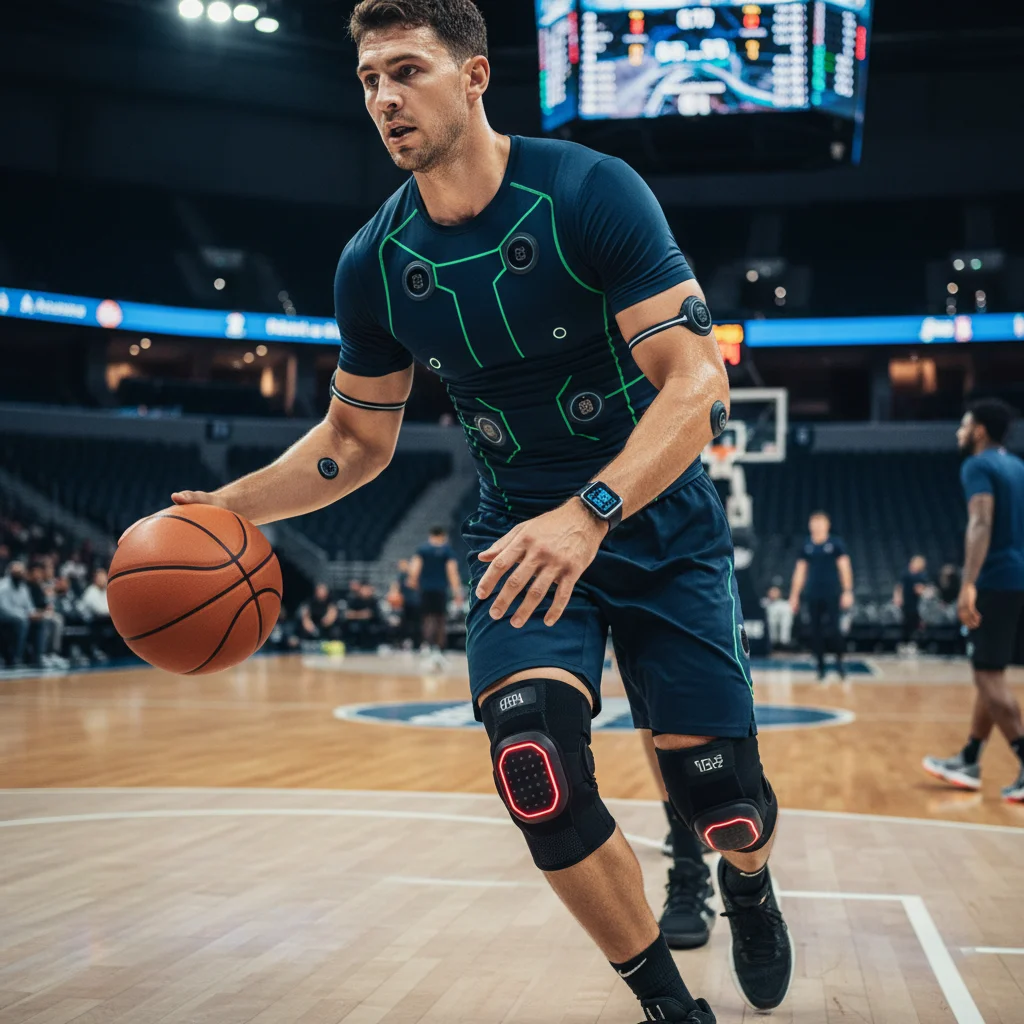
Leveraging Wearable Technology: 4 Key Insights for Preventing Injuries in Basketball by 2026, Reducing Incidents by 12%
Basketball, a sport renowned for its explosive movements, rapid changes in direction, and high-impact landings, unfortunately, also carries a significant risk of injury. From ankle sprains and knee ligament tears to muscle strains and overuse syndromes, these injuries can sideline players, impact team performance, and, in severe cases, even end careers. The quest for effective basketball injury prevention strategies has long been a priority for coaches, trainers, and athletes alike. However, the advent of wearable technology is revolutionizing this landscape, offering unprecedented opportunities to monitor, analyze, and mitigate risks in real-time. By harnessing the power of data, we are on the cusp of a significant paradigm shift, with projections indicating a potential 12% reduction in basketball-related injuries by 2026. This article delves into four key insights illustrating how wearable technology is poised to achieve this ambitious goal, transforming player safety and performance.
Anúncios
The Evolving Landscape of Basketball Injury Prevention
For decades, basketball injury prevention relied heavily on traditional methods: extensive warm-ups, strength and conditioning programs, proper technique coaching, and post-injury rehabilitation. While these methods remain fundamental, they often operate reactively, addressing issues after they arise or relying on generalized protocols. The limitations of these approaches become apparent when considering the highly individualized nature of athletic performance and injury susceptibility. Each player possesses unique biomechanics, training loads, recovery needs, and physiological responses to stress. A one-size-fits-all approach, therefore, can only go so far in preventing injuries. This is precisely where wearable technology steps in, offering a proactive, personalized, and data-driven solution.
Wearable devices, ranging from smart garments and GPS trackers to sophisticated biomechanical sensors and heart rate monitors, collect a vast array of data points. This data, when properly analyzed, can provide deep insights into a player’s physical state, movement patterns, fatigue levels, and recovery status. By identifying subtle changes and trends that might otherwise go unnoticed, these technologies enable early intervention, allowing for adjustments to training regimens, personalized recovery strategies, and targeted preventative exercises. The goal is not merely to react to injuries but to predict and prevent them before they occur, thereby safeguarding athletes and optimizing their long-term health and performance. The potential for a 12% reduction in incidents by 2026 is not just an optimistic forecast; it’s a realistic target achievable through the intelligent integration of these advanced tools into daily basketball practice and competition.
Insight 1: Advanced Load Monitoring and Fatigue Management
One of the most critical factors in basketball injury prevention is managing player load. Overtraining, inadequate recovery, and sudden spikes in activity can significantly increase the risk of injuries like stress fractures, muscle strains, and tendinopathies. Wearable technology provides an unparalleled ability to precisely monitor both external and internal training loads. External load refers to the physical work performed, such as distance covered, sprints, jumps, and accelerations/decelerations. Internal load, on the other hand, reflects the physiological stress on the athlete’s body, typically measured through heart rate variability (HRV), heart rate zones, and perceived exertion.
Anúncios
GPS trackers and accelerometers embedded in smart vests or ankle straps can accurately quantify external load metrics during practices and games. These devices track every movement, providing coaches with detailed reports on total distance, high-speed running, explosive efforts, and directional changes. By analyzing these metrics over time, coaches can identify patterns of overexertion or insufficient rest. For instance, a sudden increase in high-intensity sprints without adequate recovery could signal an elevated risk of hamstring strain. Similarly, a consistent pattern of high deceleration forces might indicate increased stress on knee joints.
Complementing external load data, heart rate monitors and HRV sensors offer crucial insights into internal load and fatigue. HRV, in particular, is a powerful indicator of an athlete’s autonomic nervous system balance, which reflects their recovery status and readiness to perform. A consistently low HRV can suggest accumulated fatigue or overtraining, prompting coaches to adjust training intensity or incorporate additional rest days. By integrating both external and internal load data, teams can develop highly individualized training programs that optimize performance while minimizing injury risk. This data-driven approach allows for dynamic adjustments to training schedules, ensuring that players are adequately challenged but never pushed beyond their physiological limits, a cornerstone of effective basketball injury prevention.
Insight 2: Biomechanical Analysis and Movement Pattern Optimization
Many basketball injuries stem from improper movement mechanics or repetitive stress on specific joints and tissues. Identifying and correcting these biomechanical inefficiencies is paramount for long-term basketball injury prevention. Traditional methods often rely on subjective observation by coaches or slow-motion video analysis, which can be time-consuming and may lack the precision needed to detect subtle but critical deviations.
Wearable biomechanical sensors are changing this. These small, unobtrusive devices, often placed on key joints or muscle groups, can capture highly accurate data on joint angles, force distribution, ground reaction forces, and movement symmetry in real-time. For example, sensors placed on the knees and ankles can detect faulty landing mechanics after a jump, such as excessive valgus collapse (knees caving inward) or asymmetrical force absorption. These patterns are strongly linked to anterior cruciate ligament (ACL) injuries, a devastating setback for basketball players.
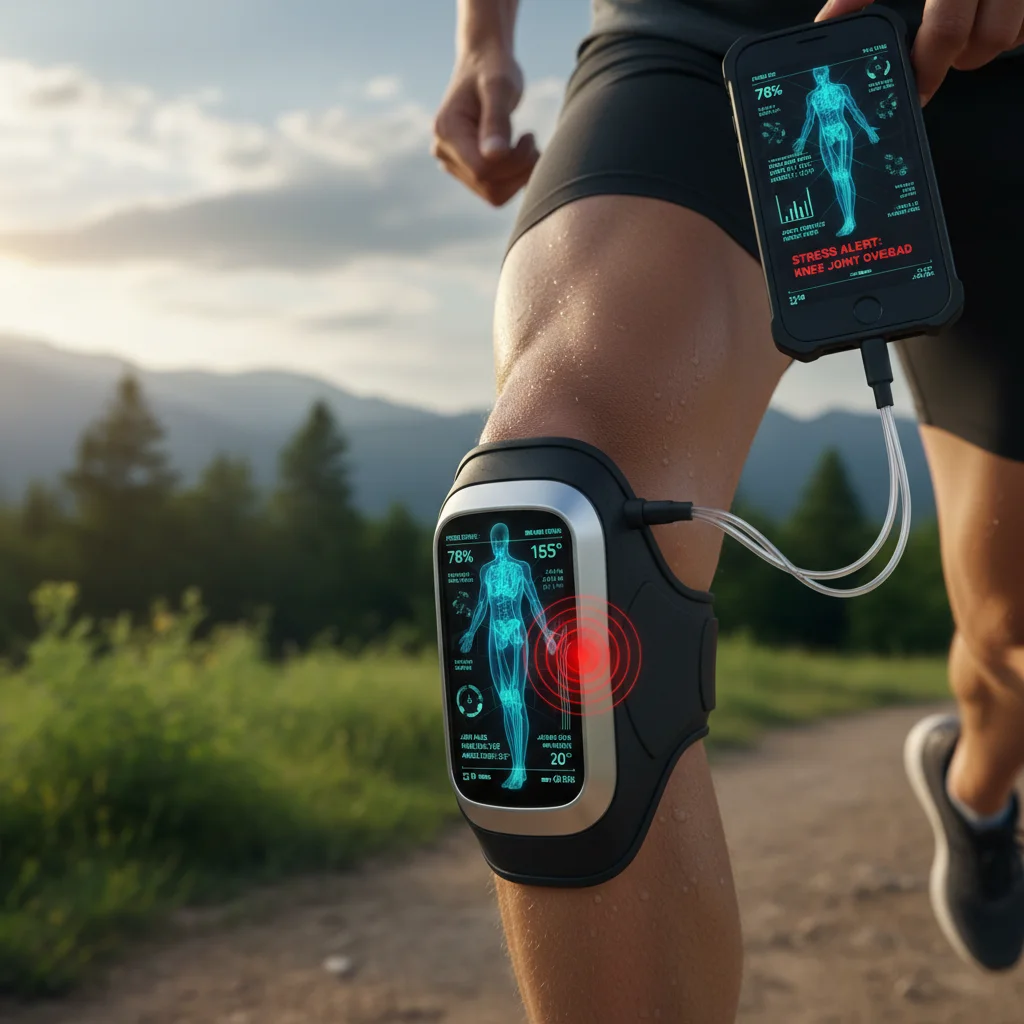
Similarly, smart insoles can provide detailed pressure mapping, revealing imbalances in foot strike or excessive pronation/supination that could lead to ankle or foot injuries. By analyzing this granular data, sports scientists and physical therapists can pinpoint specific biomechanical flaws unique to each player. This allows for the development of highly targeted corrective exercise programs, focusing on strengthening weak muscles, improving flexibility, or retraining movement patterns. Imagine a scenario where a player’s jump shot form is analyzed, not just for accuracy but also for the forces exerted on their joints. If the data shows excessive torque on the shoulder, specific exercises can be prescribed to reinforce the rotator cuff or improve core stability, thus preventing potential overuse injuries. This level of precision in biomechanical assessment is a game-changer for comprehensive basketball injury prevention.
Insight 3: Predictive Analytics and Risk Assessment
The true power of wearable technology lies not just in collecting data, but in its potential for predictive analytics. By combining various data streams – load monitoring, biomechanical analysis, sleep patterns, heart rate variability, and even subjective wellness reports – sophisticated algorithms can be trained to identify individual injury risk profiles. This moves basketball injury prevention from a reactive to a truly proactive model.
Machine learning models can analyze historical data from thousands of athletes to recognize correlations between certain metrics and future injury occurrences. For instance, a combination of consistently high external load, declining HRV, poor sleep quality, and specific biomechanical deviations might trigger an alert, indicating a significantly elevated risk of injury for a particular player within the next few days or weeks. This allows coaches and medical staff to intervene before an injury manifests. Intervention could involve reducing training volume, prescribing active recovery, adjusting dietary intake, or providing targeted physical therapy interventions.
The goal is to create a dynamic, personalized risk assessment model for each athlete. This model continuously updates based on new data, providing real-time insights into a player’s vulnerability. For example, if a player exhibits a sudden drop in jump height alongside increased ground contact time and reports higher perceived fatigue, the system could flag them as high-risk for lower extremity injuries. This predictive capability is not about replacing human expertise but augmenting it, providing coaches and medical teams with powerful tools to make informed decisions that safeguard player health. The ability to anticipate and prevent injuries based on a holistic view of an athlete’s physiological and biomechanical state is a monumental leap forward for basketball injury prevention.
Insight 4: Enhanced Recovery and Rehabilitation Protocols
Even with the best prevention strategies, injuries can still occur. When they do, optimizing recovery and rehabilitation is crucial for a safe and swift return to play, and to prevent re-injury. Wearable technology extends its utility into this phase, providing objective data to guide recovery protocols and ensure athletes are truly ready to return to the court.
During rehabilitation, wearables can monitor progress, ensuring that exercises are performed with correct form and at appropriate intensities. For example, sensors can track range of motion, muscle activation patterns, and force production during rehabilitation exercises, providing real-time feedback to both the athlete and the physical therapist. This ensures that recovery milestones are met objectively, rather than relying solely on subjective reports or visual assessments.
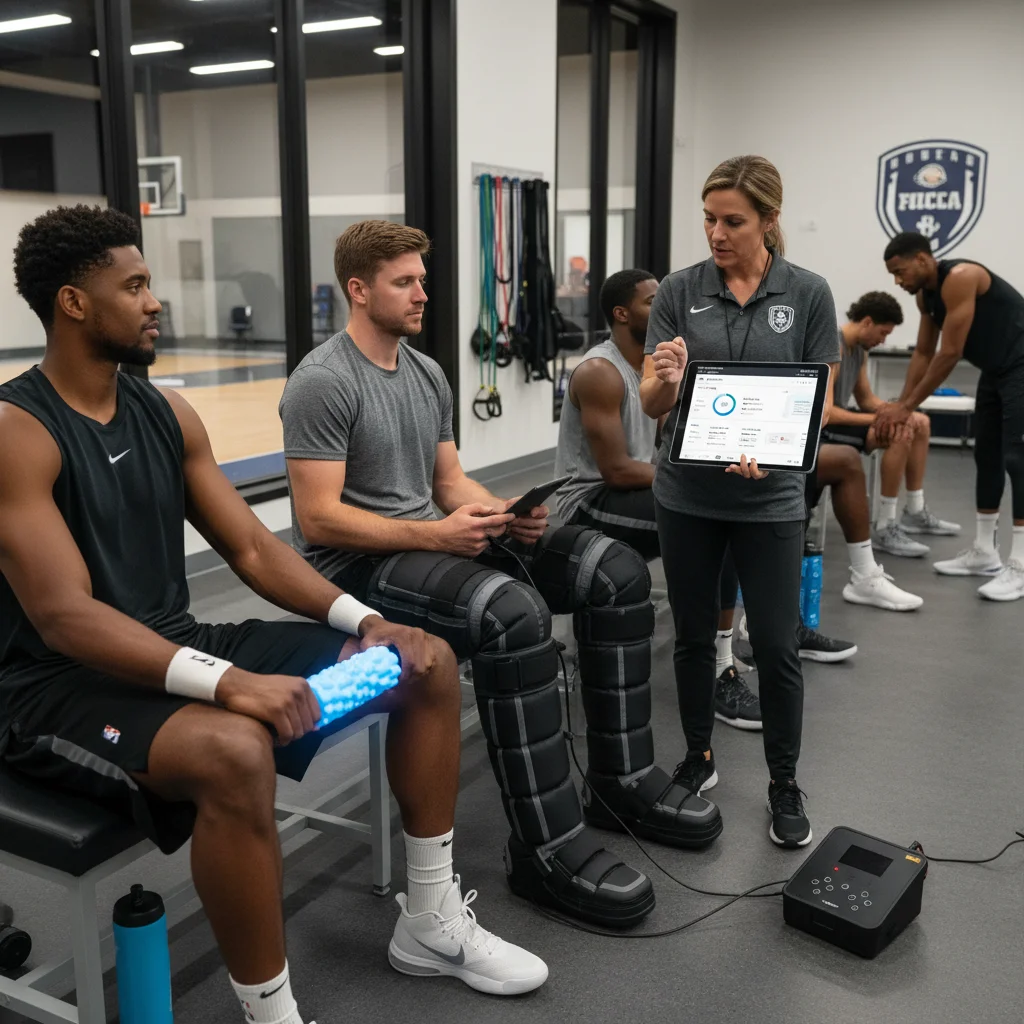
Beyond the clinic, wearables can also optimize daily recovery. Smart sleep trackers provide insights into sleep quality, a critical component of physical and mental recovery. Devices that measure skin temperature, body composition, and hydration levels can further inform personalized recovery strategies. For instance, if a player consistently shows poor sleep patterns, interventions like sleep hygiene education or adjustments to their evening routine can be implemented. If hydration levels are consistently low, despite adequate water intake, it might signal a need for electrolyte supplementation or further investigation.
For athletes returning from injury, wearables play a vital role in the ‘return-to-play’ process. By continuously monitoring load, biomechanics, and physiological markers during graded return-to-sport drills, medical staff can objectively assess an athlete’s readiness. This reduces the risk of premature return, which is a major contributor to re-injury. The data helps determine if strength, power, and agility have returned to pre-injury levels and if compensatory movement patterns have been eliminated. This comprehensive approach to recovery and rehabilitation, powered by wearable data, significantly bolsters basketball injury prevention efforts by ensuring athletes are robustly prepared for the demands of the game.
The Future of Basketball Injury Prevention: A Holistic Ecosystem
The integration of wearable technology into basketball injury prevention is not just about individual devices; it’s about creating a holistic ecosystem of data. This ecosystem connects various data points from different wearables, combines them with coaching observations, medical records, and even environmental factors, to create a comprehensive profile for each athlete. Imagine a system where a player’s sleep quality data from their smart ring is automatically factored into their daily training load prescription, adjusted for their current fatigue levels as indicated by their HRV, and cross-referenced with their biomechanical efficiency during the previous day’s practice.
This level of interconnected data allows for truly dynamic and adaptive training programs. Coaches can receive real-time alerts about players at elevated risk, enabling immediate adjustments to prevent an impending injury. Medical staff can track rehabilitation progress with unprecedented precision, ensuring a safer and more effective return to play. Furthermore, this data can be used for long-term player development, identifying areas for improvement in strength, conditioning, and technique that contribute to overall resilience against injuries.
The projected 12% reduction in basketball injuries by 2026 is an ambitious yet achievable goal, driven by the increasing sophistication and widespread adoption of these technologies. As devices become more accurate, less intrusive, and more affordable, their integration into all levels of basketball, from youth leagues to professional organizations, will become standard. This widespread adoption will not only enhance player safety but also optimize performance, extend careers, and ultimately elevate the quality of the game.
Challenges and Considerations in Adopting Wearable Technology
While the benefits of wearable technology for basketball injury prevention are clear, several challenges and considerations must be addressed for successful implementation. Firstly, data overload can be an issue. Coaches and staff need effective platforms and trained personnel to interpret the vast amounts of data generated. Raw data is only useful if it can be translated into actionable insights. This requires a strong understanding of sports science, biomechanics, and data analytics.
Secondly, player compliance and acceptance are crucial. Athletes must be educated on the benefits of wearing these devices and understand how the data is used to protect their health and enhance their performance. Privacy concerns regarding personal health data also need to be transparently addressed and managed in compliance with relevant regulations. Building trust between athletes, coaches, and medical staff regarding data collection and usage is paramount.
Thirdly, the cost of implementing a comprehensive wearable technology system can be substantial, especially for smaller organizations or youth programs. As technology evolves, prices are likely to decrease, but initial investment remains a barrier for some. Finally, the accuracy and reliability of different devices can vary. It’s essential for teams to research and select reputable, validated technologies to ensure the data they are collecting is trustworthy and actionable. Overcoming these challenges will pave the way for a more robust and widespread adoption of wearable tech in basketball injury prevention.
Conclusion: A Safer, Smarter Game for the Future
The journey towards a 12% reduction in basketball injuries by 2026 is well underway, spearheaded by the transformative power of wearable technology. By offering advanced insights into load monitoring, biomechanical analysis, predictive risk assessment, and enhanced recovery, these devices are fundamentally reshaping how we approach basketball injury prevention. They empower coaches, trainers, and medical professionals with objective, real-time data, enabling personalized interventions that were once unimaginable.
The future of basketball is not just about faster, stronger, and more skilled athletes; it’s about healthier, more resilient ones. As we continue to refine these technologies and integrate them seamlessly into the fabric of the sport, we can look forward to a game where players can push their limits with greater confidence, knowing that their well-being is continuously monitored and proactively protected. This evolution promises not only to reduce the human cost of injuries but also to elevate the overall quality and excitement of basketball for years to come. The era of data-driven basketball injury prevention is here, and its impact will be profound.