MLS 2026 Substitution Rules: Impact on Game Flow and Strategy
Anúncios
The world of professional soccer is constantly evolving, with governing bodies frequently reviewing and adjusting rules to enhance the sport’s appeal, fairness, and dynamism. Major League Soccer (MLS) is no stranger to such adaptations, often serving as a testing ground for innovations that could eventually ripple through the global football landscape. As we look ahead to the 2026 season, whispers and concrete proposals surrounding new substitution rules are gaining significant traction, promising to reshape the very fabric of game flow and tactical approaches. This comprehensive analysis delves deep into the anticipated MLS 2026 Substitution Rules, exploring their potential impact on everything from player welfare to coaching strategies and, ultimately, the spectacle on the pitch.
Understanding these potential changes is crucial for fans, coaches, players, and analysts alike. The way substitutions are managed can dramatically alter the pace, intensity, and strategic nuances of a match. Will these new rules lead to more attacking football, or will they introduce new defensive considerations? How will player fatigue be managed, and what role will squad depth play? These are just some of the questions we aim to answer as we dissect the proposed changes and their far-reaching implications for MLS.
Anúncios
The Current Landscape: A Brief Overview of MLS Substitution Rules
Before we project into the future, it’s essential to understand the current state of substitution rules in MLS. Traditionally, soccer has allowed a limited number of substitutions, usually three, to be made during a game. Over time, this number has increased, especially in response to player welfare concerns and the demanding schedules of modern football. MLS, like many other leagues, adopted the five-substitution rule permanently after its introduction during the COVID-19 pandemic, primarily to mitigate the risks associated with congested fixture lists and player burnout.
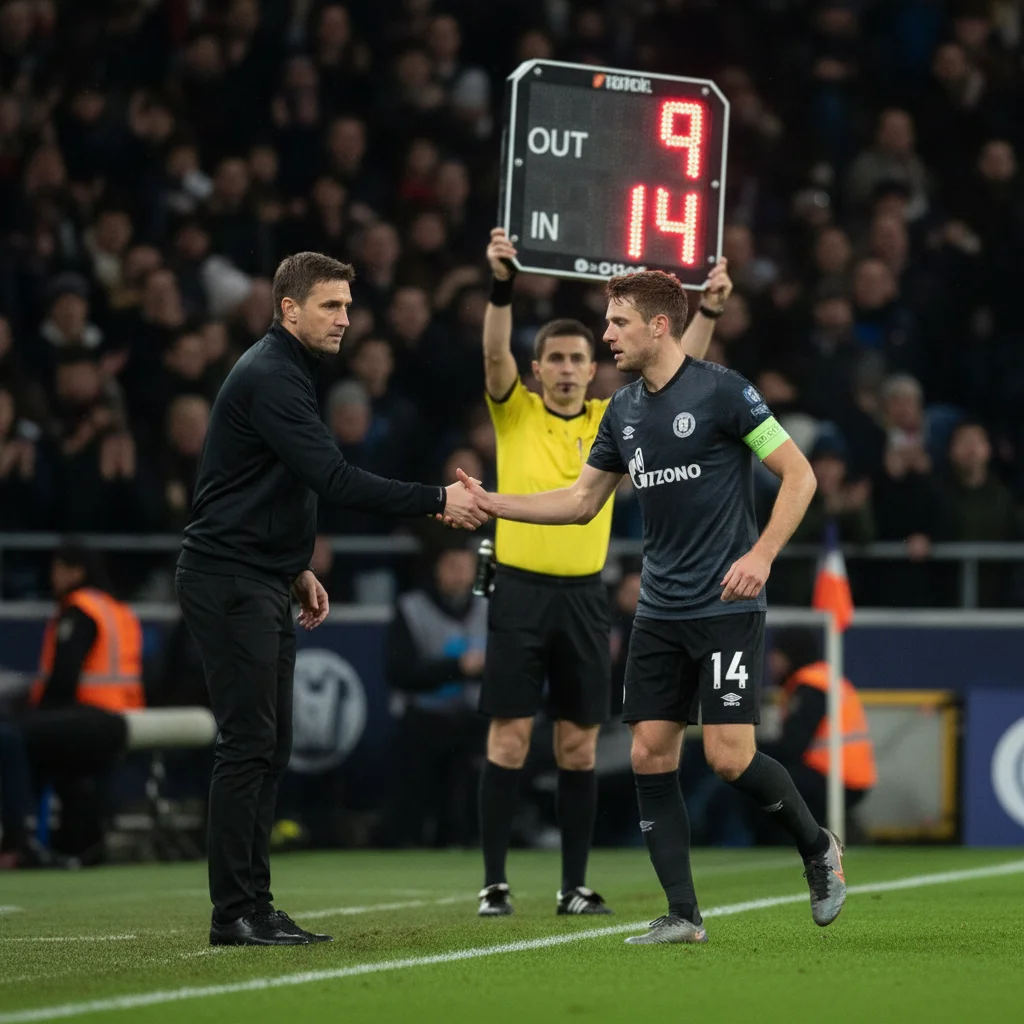
Under the current framework, teams are permitted to make up to five substitutions per match, typically utilized across three stoppage opportunities (excluding half-time). This system has already had a significant impact, allowing coaches greater flexibility to introduce fresh legs, change tactical formations, or bring on specialist players to address specific match situations. It has fostered a more dynamic game, often seeing late-game surges from teams leveraging their full bench.
Anúncios
However, even with five substitutions, challenges persist. Managing these changes efficiently, especially when multiple players need to be replaced, can still consume valuable game time. The debate around ‘time-wasting’ tactics, particularly concerning substitutions, is ongoing in football circles. This context sets the stage for the proposed MLS 2026 Substitution Rules, which aim to address some of these lingering issues while potentially introducing new strategic dimensions.
Anticipated Changes: What to Expect from MLS 2026 Substitution Rules
While the exact details of the MLS 2026 Substitution Rules are still being finalized and debated, several key proposals have emerged. These proposals are generally aimed at increasing the efficiency of substitutions, minimizing game disruptions, and potentially enhancing the overall flow of play. Some of the most discussed changes include:
1. Fixed Substitution Windows or Stoppage Time Adjustments
One prominent idea is to limit substitutions to specific windows within the game, rather than allowing them at any point during a stoppage. For example, substitutions might only be allowed during a designated break in play (e.g., after a goal, during a yellow card review, or at half-time) or within a stricter time limit. Another approach could involve more stringent officiating of time-wasting during substitutions, with additional time added at the end of halves to compensate for delays. This would directly tackle the issue of teams using substitutions as a tactic to run down the clock.
2. Concussion Substitute Rule Expansion
Player safety remains paramount. While a concussion substitute rule already exists in some form, the MLS 2026 Substitution Rules might see an expansion or refinement of this protocol. This could involve allowing an additional, permanent substitute specifically for head injuries, even if a team has exhausted all its regular substitution slots. This ensures that player welfare is prioritized without penalizing teams tactically for unforeseen medical emergencies.
3. Return of the ‘Temporary Substitute’ or ‘Blood Bin’ Concept
Drawing inspiration from sports like rugby, there’s been discussion about temporary substitutions for minor injuries or blood injuries. A player could be temporarily replaced for a set period (e.g., 10-15 minutes) to receive treatment, with the option to return to the field if deemed fit. If they cannot return, a permanent substitution would then be made. This could prevent teams from being temporarily disadvantaged by minor, treatable injuries and keep the game flowing.
4. Potential for Unlimited Substitutions in Extra Time
For knockout matches that go into extra time, there’s a possibility that the MLS 2026 Substitution Rules could allow for an additional, or even unlimited, number of substitutions. This would help combat extreme fatigue during extended periods of play, maintaining the quality and intensity of the game for longer. It would also reduce the risk of injuries to players pushed beyond their physical limits.
5. ‘Rolling Substitutions’ in Youth/Developmental Leagues
While less likely for the senior MLS league, it’s possible that developmental leagues or lower tiers could experiment with ‘rolling substitutions,’ where players can re-enter the game after being substituted. This is common in youth soccer and could be considered for reserve teams or academies to maximize player development and playing time without disrupting the senior league’s competitive balance. While not directly impacting MLS 2026, it could be a precursor to future changes.
Impact on Game Flow and Pace
The most immediate and noticeable effect of any new substitution rules will be on the game’s flow and pace. Current rules, while allowing five changes, can still lead to stoppages that break up momentum. The proposed changes aim to mitigate this:
Minimizing Dead Time
If substitutions are restricted to specific windows or if time-wasting is more strictly policed, we could see a significant reduction in dead time. This would lead to more continuous play, keeping fans engaged and potentially increasing the actual playing time within a 90-minute match. For a league like MLS, which often seeks to appeal to a broader sports audience, a faster-paced game could be a major draw.
Maintaining Intensity
With rules that allow for more efficient or specialized substitutions (like concussion subs), teams can maintain a higher intensity throughout the 90 minutes, and potentially into extra time. Fresh legs can be introduced more seamlessly, preventing significant drops in quality as players tire. This could lead to more exciting finishes and fewer matches decided purely by endurance.
Strategic Interruptions
While the goal is to reduce unwanted interruptions, coaches might still strategically use substitution windows to break an opponent’s rhythm or to deliver quick tactical instructions. However, if these windows are clearly defined and limited, the scope for such tactical ‘pauses’ would be more controlled, ensuring they don’t unduly disrupt the game’s natural flow.
Tactical Implications for Coaches
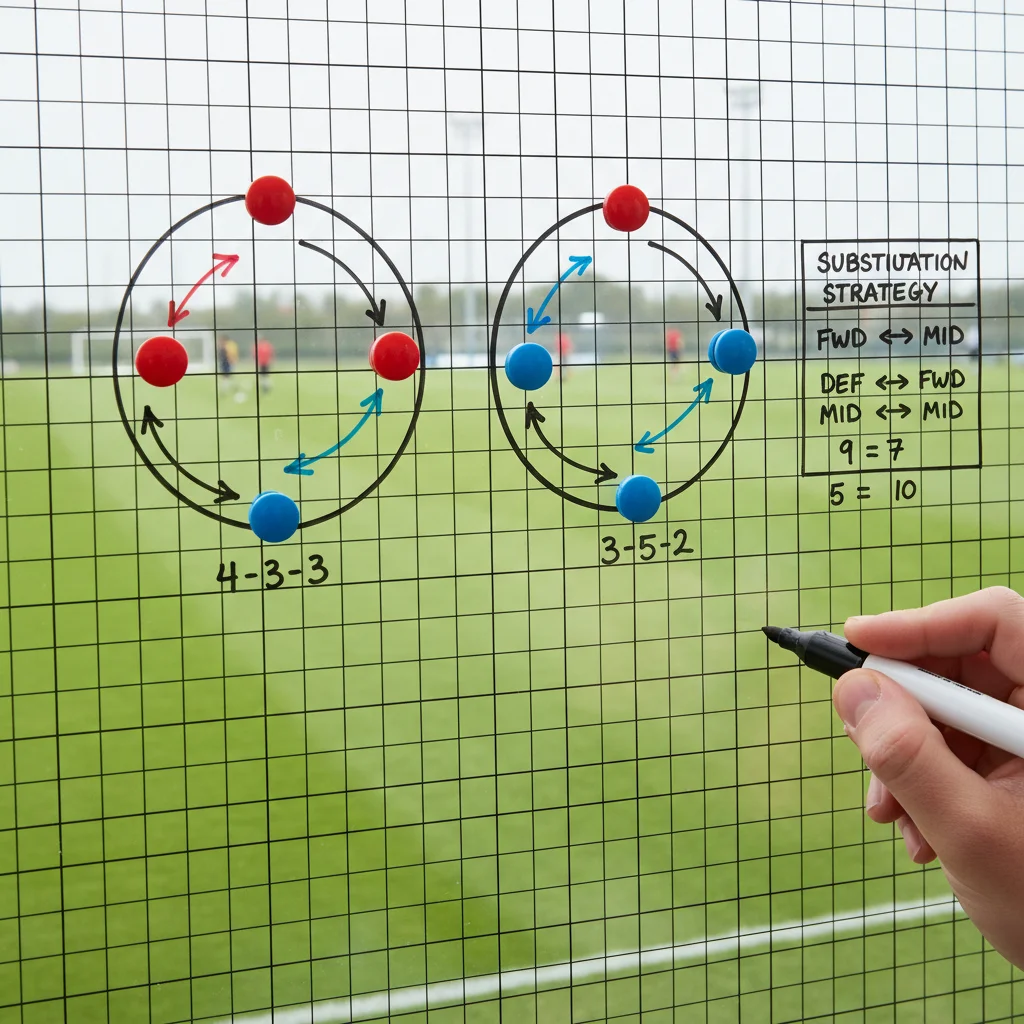
Coaching in MLS is already a complex chess match, and the MLS 2026 Substitution Rules will undoubtedly add new layers of strategic depth. Coaches will need to adapt their preparation, in-game management, and squad construction to maximize the benefits and minimize the drawbacks of the new regulations.
Enhanced Squad Depth Importance
If more flexibility is introduced (e.g., additional subs in extra time or more efficient use of the five subs), the importance of squad depth will become even more pronounced. Teams with strong benches, capable of maintaining or even elevating the quality of play, will have a distinct advantage. This could influence transfer strategies, pushing teams to invest more in their reserves and academy products.
Dynamic In-Game Adjustments
Coaches will have more tools at their disposal for dynamic in-game adjustments. The ability to make quick, impactful changes without sacrificing significant game time could allow for more fluid tactical shifts. This means less reliance on pre-game planning and more emphasis on real-time decision-making, rewarding coaches who can read the game effectively and react swiftly.
Managing Player Fatigue and Injury Risk
Rules like the expanded concussion sub or potential temporary substitutions directly address player welfare. Coaches will need to integrate these protocols into their medical and performance staff’s routines. The ability to rotate players more freely or to temporarily remove an injured player without immediately burning a permanent sub could significantly reduce injury risks over a long season, leading to fitter squads in the crucial late stages of competitions.
Specialist Roles and Impact Subs
The current five-sub rule already allows for ‘impact subs’ – players brought on late to change the game. The MLS 2026 Substitution Rules might amplify this trend. Coaches could deploy highly specialized players for specific scenarios, such as defensive stalwarts to see out a lead, or creative attackers to chase a goal in limited time. This could make the latter stages of matches even more unpredictable and exciting.
Player Impact and Performance
The players themselves will feel the direct effects of the MLS 2026 Substitution Rules. These changes could influence everything from training regimes to individual game day performances and career longevity.
Increased Pressure on Bench Players
With potentially more strategic substitution opportunities, players coming off the bench will face increased pressure to make an immediate impact. Their roles might become more specialized, requiring them to be ready to execute specific tactical instructions within a shorter timeframe. This could lead to a different kind of preparation for non-starters.
Enhanced Player Welfare
As mentioned, rules promoting player safety, such as expanded concussion protocols and potential temporary substitutions, are a net positive for athletes. They reduce the risk of playing through injury and ensure that serious medical concerns are addressed promptly without compromising the team. This contributes to healthier players and potentially longer careers.
Maintaining High Performance Levels
The ability for coaches to introduce fresh legs more efficiently means that the overall intensity and performance level on the field can be maintained for longer. Players might be encouraged to exert themselves more fully knowing that relief is available, potentially leading to more energetic and exciting matches. However, it also means that the standard of play will be consistently high, demanding peak physical and mental conditioning from all players.
Adaptation to New Rhythms
Players will need to adapt to any new rhythms introduced by fixed substitution windows or stricter time management. Those who are accustomed to influencing the game through deliberate delays might need to adjust their approach. The emphasis will shift towards playing continuously and maximizing every moment of active play.
Comparison with Other Leagues and Sports
MLS often looks to other leagues and sports for inspiration and best practices. Examining how different substitution rules function elsewhere can provide valuable insights into the potential outcomes of the MLS 2026 Substitution Rules.
European Football Leagues
Most major European leagues currently operate under the five-substitution rule, similar to MLS. However, the debate around time-wasting and actual playing time is a hot topic. FIFA and IFAB (International Football Association Board) are continually exploring ways to increase effective playing time, which could influence MLS’s approach to substitution windows or stricter time-keeping.
Rugby’s Head Injury Assessment (HIA)
Rugby’s HIA protocol, which allows for a temporary substitution while a player undergoes a head injury assessment, is a model that soccer, including MLS, could increasingly emulate. This system prioritizes player safety without forcing a team to play a man down during a critical evaluation period, which is a significant advantage over current soccer protocols.
American Sports Models (NBA, NFL)
While fundamentally different in structure, American sports like basketball and American football feature frequent and often unlimited substitutions. While this level of change is unlikely in soccer due to its continuous flow, the emphasis on maximizing player utilization and managing fatigue is a shared principle. MLS might draw lessons on how to integrate more dynamic player management without compromising the sport’s core identity.
Challenges and Potential Criticisms
No rule change comes without its challenges and potential criticisms. The MLS 2026 Substitution Rules will likely face scrutiny from various stakeholders.
Maintaining the ‘Flow’ of Soccer
One of soccer’s unique characteristics is its relatively continuous flow compared to other sports. Any rule change that introduces too many stoppages or overly complex substitution procedures could be criticized for disrupting this fundamental aspect of the game. The balance between efficiency and maintaining natural rhythm will be crucial.
Fairness and Competitive Balance
While rules are designed to be fair, their impact can sometimes favor certain teams. For instance, teams with greater financial resources might be able to build deeper squads, potentially gaining a larger advantage from rules that emphasize squad depth. Conversely, teams that rely on a core group of star players might find it harder to adapt.
Implementation and Officiating
The successful implementation of new rules heavily depends on clear guidelines and consistent officiating. If substitution windows are introduced, referees will need to be meticulously trained to enforce them fairly. Any ambiguity could lead to controversy and frustration for players, coaches, and fans.
Resistance to Change
Soccer is a sport steeped in tradition, and resistance to change is not uncommon. While innovations are often welcomed, significant alterations to core game mechanics, such as substitution rules, can sometimes be met with skepticism from purists who prefer the game to remain largely untouched.
Conclusion: A More Dynamic and Strategic MLS in 2026?
The anticipated MLS 2026 Substitution Rules represent a significant step in the league’s ongoing evolution. While the specifics are still under wraps, the overarching goal appears to be the creation of a more dynamic, efficient, and player-welfare-focused competition. By potentially streamlining substitution processes, prioritizing player health, and offering coaches more tactical flexibility, MLS aims to enhance the spectacle for fans and elevate the competitive standard of the league.
Coaches will need to be tactical maestros, capable of swift adjustments and adept at utilizing their full squad. Players will be challenged to maintain peak performance, knowing that reinforcements are readily available and that every moment on the pitch counts. For the fans, the promise is a game with fewer artificial stoppages, more continuous action, and a higher level of intensity from start to finish.
As the 2026 season approaches, the football world will be watching closely to see how these new rules take shape and, more importantly, how they ultimately influence the beautiful game in Major League Soccer. The future of MLS promises to be an exciting blend of tradition and innovation, with substitution rules playing a pivotal role in shaping its next chapter.