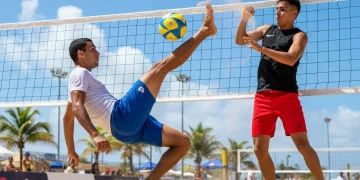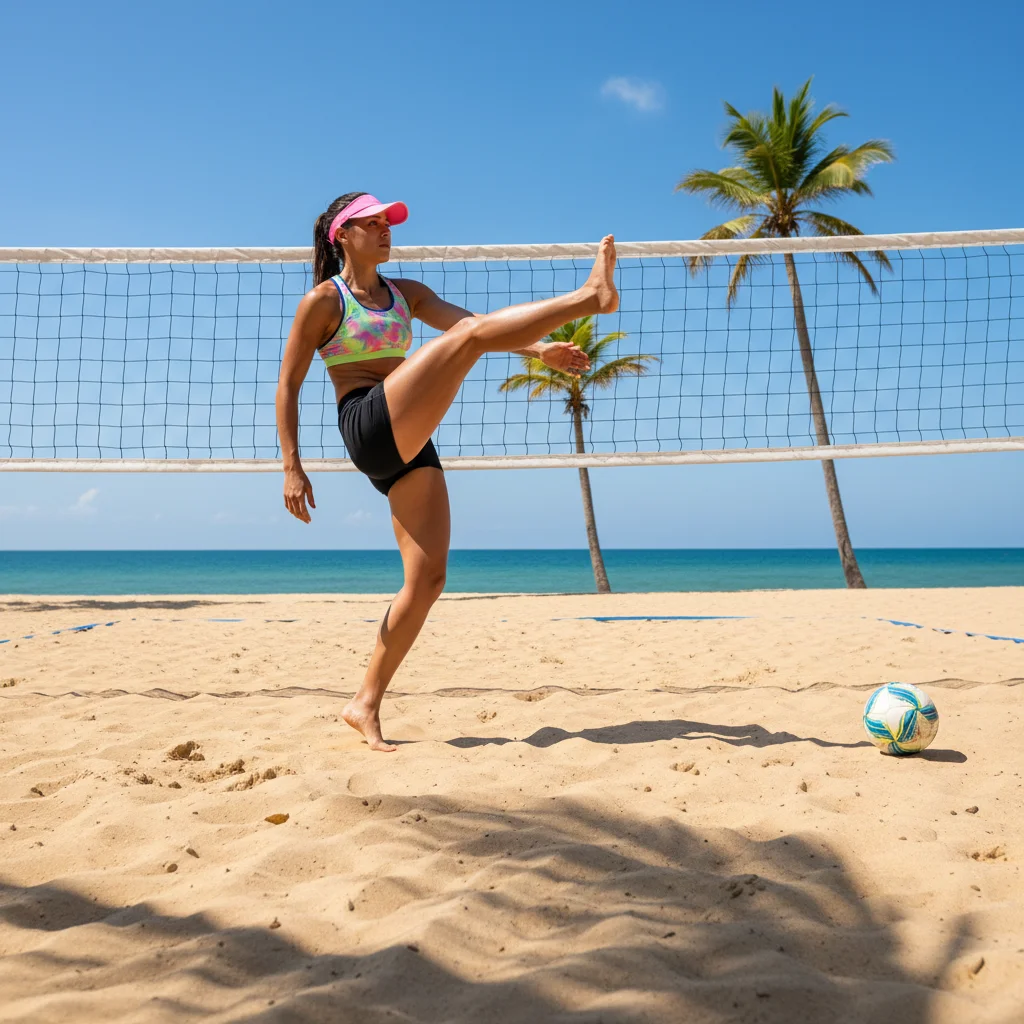
Footvolley Warm-Up Drills: The 5-Minute Routine Every Player Needs in 2026
In the dynamic and exhilarating world of footvolley, where agility, power, and precision are paramount, neglecting a proper warm-up is an oversight no serious player can afford. As the sport continues to evolve and gain global recognition, particularly looking ahead to 2026, the demands on athletes are higher than ever. A well-structured pre-game routine isn’t just about getting your muscles ready; it’s about optimizing performance, sharpening your reflexes, and, most critically, safeguarding your body against the myriad of potential injuries that can sideline even the most seasoned competitors. This comprehensive guide will introduce you to the ultimate 5-minute footvolley warm-up drills designed to prepare every inch of your body for the intense demands of the game, ensuring you step onto the sand ready to dominate.
Footvolley, a captivating blend of beach volleyball and soccer, requires a unique combination of cardiovascular endurance, explosive power, and intricate ball control using only the feet, head, and chest. The sandy surface adds another layer of complexity, demanding greater muscle activation and stability from your ankles, knees, and hips. Without adequate preparation, these joints and muscles are highly susceptible to strains, sprains, and other common footvolley injuries. Therefore, incorporating effective footvolley warm-up drills into your routine is not merely a suggestion; it’s a fundamental pillar of consistent high-level play and long-term athletic health.
Anúncios
Our meticulously crafted 5-minute routine focuses on dynamic movements that mimic the actions you’ll perform during a match. Unlike static stretching, which is best reserved for post-game cool-downs, dynamic warm-ups actively prepare your muscles, tendons, and ligaments for intense activity. They increase blood flow, elevate core body temperature, improve flexibility, and activate the neural pathways that control your movements, making your body more responsive and efficient. By the end of this article, you’ll have a clear, actionable plan to incorporate these essential footvolley warm-up drills into your pre-game ritual, setting you up for success every time you hit the court.
Why a Dedicated Footvolley Warm-Up is Non-Negotiable
Before diving into the specifics of the footvolley warm-up drills, it’s crucial to understand the profound benefits a proper warm-up provides. Many players, eager to start playing, often skip or rush this vital step, unknowingly putting themselves at a disadvantage and at a higher risk of injury. In a sport as physically demanding as footvolley, where quick lateral movements, powerful overhead kicks, and sudden directional changes are constant, a primed body is a resilient body.
Anúncios
Injury Prevention: Your First Line of Defense
The primary reason for engaging in footvolley warm-up drills is injury prevention. Cold muscles are stiff muscles, and stiff muscles are more prone to tears and strains. The dynamic nature of footvolley, with its explosive jumps, dives, and precise kicks, puts significant stress on the hamstrings, quadriceps, calves, ankles, and knees. A thorough warm-up increases muscle elasticity and joint range of motion, preparing these structures for the sudden forces they will encounter. It also enhances proprioception – your body’s awareness of its position in space – which is critical for maintaining balance and preventing awkward landings or missteps on the uneven sand surface.
Enhanced Performance: Unlock Your Full Potential
Beyond injury prevention, footvolley warm-up drills are a direct pathway to improved performance. A warmed-up body is a more efficient body. Increased blood flow delivers oxygen and nutrients to your muscles more effectively, delaying fatigue and allowing for sustained high-intensity play. Elevated core temperature improves nerve impulse transmission, leading to faster reaction times and sharper reflexes. This means quicker responses to the ball, more powerful kicks, and more agile movements – all critical components of a winning footvolley game. By activating your muscles and nervous system, you’re essentially telling your body, “It’s game time!” before the whistle even blows.
Mental Preparation: Focus and Readiness
The warm-up isn’t just physical; it’s also a powerful tool for mental preparation. The routine of footvolley warm-up drills allows players to transition from their daily lives into a focused, competitive mindset. It provides a dedicated time to concentrate on the upcoming game, visualize successful plays, and mentally rehearse strategies. This period of focused activity helps reduce pre-game jitters, build confidence, and ensure you are mentally sharp and ready to make split-second decisions under pressure. A calm, focused mind is just as important as a strong, agile body in footvolley.
The 5-Minute Footvolley Warm-Up Drills: A Step-by-Step Guide for 2026
This routine is designed for maximum efficiency and effectiveness, targeting key muscle groups and movement patterns essential for footvolley. Each drill should be performed for approximately 30-45 seconds, with smooth transitions between them. Remember, quality over quantity – focus on controlled, deliberate movements rather than rushing through them.
1. Light Cardio & Joint Rotations (1 minute)
Start with a gentle elevation of your heart rate and prepare your major joints. This phase is crucial for increasing blood flow and synovial fluid production, lubricating your joints for the movements ahead.
- Jogging in Place / High Knees (30 seconds): Begin with a light jog, gradually bringing your knees higher towards your chest. This increases your heart rate and warms up your leg muscles.
- Ankle Rotations (15 seconds per ankle): Stand on one leg (or lightly support yourself). Rotate your ankle clockwise and then counter-clockwise. This mobilizes the ankle joint, critical for stability on sand.
- Hip Circles (15 seconds per leg): Stand tall and lift one knee. Rotate your hip outwards in a circular motion, then inwards. This lubricates the hip joint and increases range of motion.
- Arm Circles (30 seconds): Perform large, controlled arm circles forward and backward to warm up your shoulders and upper back, important for balance and overhead plays.
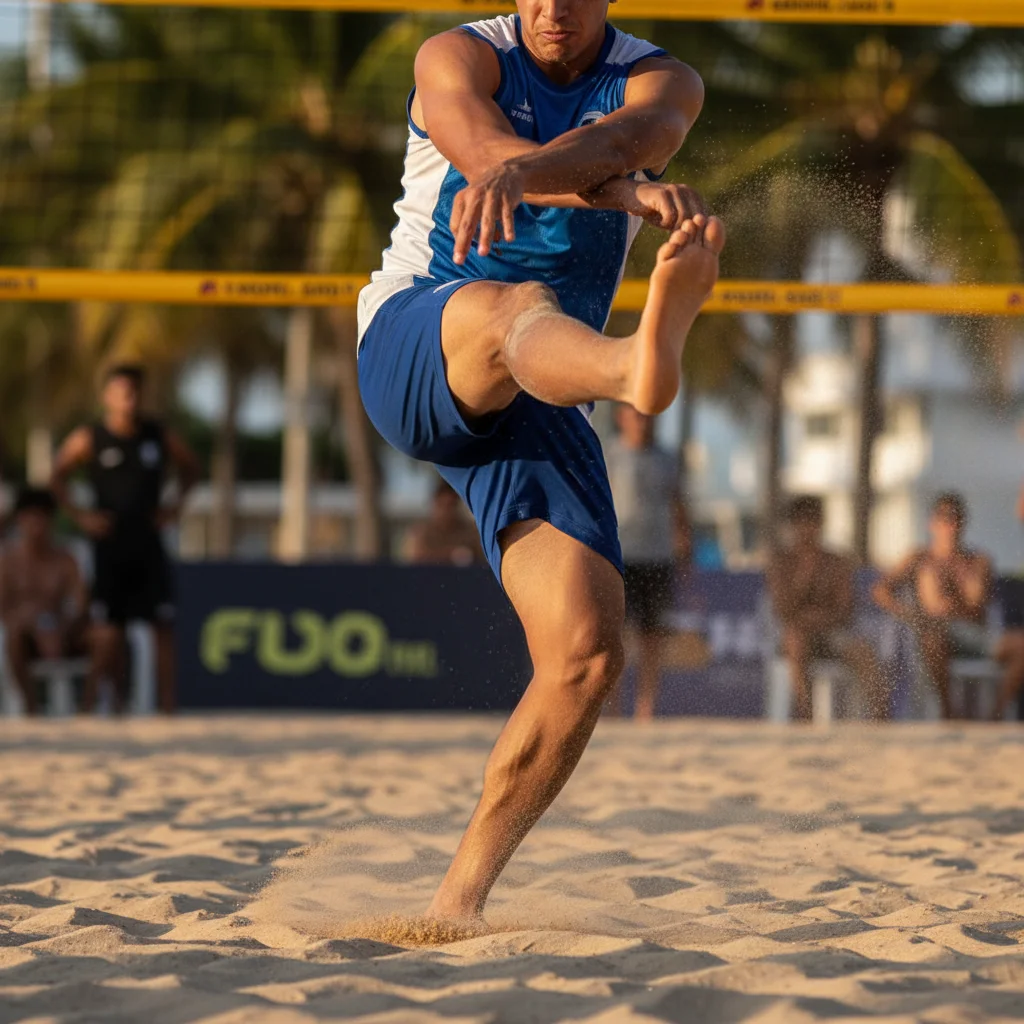
2. Dynamic Leg Swings & Torso Twists (1.5 minutes)
This section focuses on dynamic stretching for the legs and core, mimicking the kicking and rotational movements common in footvolley.
- Forward Leg Swings (30 seconds per leg): Stand sideways to a support (like the net post if available, or just use balance). Swing one leg forward and backward in a controlled manner, gradually increasing height. This targets hamstrings and hip flexors.
- Side Leg Swings (30 seconds per leg): Face forward and swing one leg across your body and then out to the side. This opens up the hips and stretches the inner and outer thighs.
- Torso Twists (30 seconds): Stand with feet shoulder-width apart, arms bent at your sides. Gently twist your torso from side to side, allowing your arms to swing naturally. This prepares your core for rotational power.
3. Lunges and Squats with Rotation (1.5 minutes)
These exercises build on the previous movements, incorporating more functional patterns that engage multiple muscle groups simultaneously, crucial for footvolley-specific actions.
- Walking Lunges (30 seconds): Step forward into a lunge, ensuring your front knee doesn’t go past your toes and your back knee hovers above the sand. Alternate legs. This strengthens and stretches the quads, hamstrings, and glutes.
- Lateral Lunges (30 seconds): Step out to the side, keeping one leg straight and bending the other knee. Push off to return to the center. This targets the inner and outer thighs, vital for lateral movements on the sand.
- Bodyweight Squats (30 seconds): Perform controlled squats, focusing on proper form – chest up, hips back, knees tracking over toes. This activates the glutes, quads, and hamstrings, preparing for explosive jumps.
- Squat with Torso Twist (30 seconds): As you come up from a squat, twist your torso to one side, reaching your opposite elbow towards the outside of your knee. Alternate sides with each squat. This combines lower body strength with core rotation.
4. Dynamic Stretching & Activation (1 minute)
The final minute focuses on slightly more complex movements that activate the nervous system and further prepare your body for the quick, reactive demands of footvolley.
- Carioca / Grapevine (30 seconds): Move sideways by crossing one foot in front of the other, then behind. This improves agility, coordination, and hip mobility, essential for defending and attacking.
- Light Footvolley Ball Touches (30 seconds): If a ball is available, perform light touches with your instep, laces, and sole. This helps with ball feel, coordination, and fine-tunes your connection with the ball before the game. Focus on gentle control and rhythm.

Key Principles for Maximizing Your Footvolley Warm-Up Drills
While the specific drills are important, adhering to certain principles will ensure you get the most out of your warm-up and truly optimize your readiness for the game.
Listen to Your Body
Every player is different, and what feels good for one might not for another. Pay attention to how your body responds to each drill. If something causes pain, stop immediately. The goal is to feel loose and ready, not to push through discomfort. Adjust the intensity and range of motion as needed. On colder days, you might need a slightly longer warm-up, and on warmer days, you might feel ready sooner.
Consistency is Key
The benefits of footvolley warm-up drills accumulate over time. Make this 5-minute routine a non-negotiable part of your pre-game ritual, whether it’s for a friendly match or a competitive tournament. Consistent application will lead to long-term improvements in flexibility, strength, and injury resilience.
Focus on Form
Rushing through drills with poor form negates their benefits and can even increase the risk of injury. Concentrate on performing each movement with control and precision. For instance, during lunges, ensure your knee doesn’t collapse inward, and during squats, keep your back straight and chest up. Quality of movement always trumps speed during a warm-up.
Breathing Matters
Deep, controlled breathing throughout your warm-up can further enhance its effectiveness. Proper breathing helps oxygenate your muscles, calm your nervous system, and improve focus. Inhale through your nose and exhale through your mouth, maintaining a steady rhythm.
Progression and Adaptation
As you become more accustomed to these footvolley warm-up drills, you might find certain areas need more attention. Feel free to adapt the routine by adding an extra set of a particular stretch or incorporating a new dynamic movement that addresses a specific need. For example, if you find your hip flexors are consistently tight, dedicate an extra 15-20 seconds to hip flexor stretches like leg swings or walking knee hugs.
Beyond the 5 Minutes: Complementary Practices
While the 5-minute footvolley warm-up drills are highly effective, integrating other practices into your overall training regimen can further enhance your performance and longevity in the sport.
Hydration and Nutrition
Proper hydration and nutrition are foundational to athletic performance and recovery. Ensure you are well-hydrated before, during, and after play. A balanced diet rich in carbohydrates, proteins, and healthy fats will fuel your body and aid in muscle repair. Think of hydration and nutrition as a continuous warm-up for your body’s internal systems.
Post-Game Cool-Down
Just as important as warming up is cooling down. A 5-10 minute cool-down involving static stretches (holding stretches for 20-30 seconds) can help reduce muscle soreness, improve flexibility, and promote recovery. Focus on stretching the major muscle groups used in footvolley: hamstrings, quads, calves, glutes, and hip flexors.
Strength and Conditioning
Regular strength and conditioning training off the sand will significantly complement your footvolley warm-up drills. Exercises that build core strength, glute activation, and lower body power will improve your overall athleticism, making you more resilient to injuries and more explosive on the court. Incorporate exercises like planks, glute bridges, box jumps, and single-leg Romanian deadlifts into your weekly routine.
Recovery Techniques
Don’t underestimate the power of recovery. Adequate sleep, foam rolling, massage, and active recovery (light walks, swimming) play a crucial role in preparing your body for the next session. These techniques help reduce muscle tightness, improve blood flow, and accelerate the repair process, ensuring your body is consistently ready for the demands of footvolley.
Anticipating Footvolley in 2026: The Future of Preparation
As we look towards 2026, the landscape of sports training is continuously evolving. Technology, sports science, and a deeper understanding of human physiology are constantly refining best practices. The footvolley warm-up drills outlined here are based on time-tested principles of dynamic movement and injury prevention, which will remain relevant. However, expect to see advancements in personalized warm-up routines, perhaps leveraging wearable tech to monitor readiness and tailor exercises based on individual biometric data. The core message, however, will endure: preparation is paramount.
The emphasis on dynamic movements, proprioceptive drills, and sport-specific activation will only grow. As players become more athletic and the game faster, the importance of meticulously preparing the body for explosive, multi-directional movements on an unstable surface like sand will be even more pronounced. Coaches and athletes alike will continue to refine these footvolley warm-up drills, seeking that marginal gain that can make all the difference in a tight match.
Conclusion: Elevate Your Game with Smart Preparation
The 5-minute footvolley warm-up drills presented in this guide are your essential toolkit for stepping onto the sand in 2026 and beyond, ready to perform at your peak. By committing to this brief yet powerful routine, you’re not just warming up your muscles; you’re investing in your performance, your longevity in the sport, and your overall well-being. Remember, footvolley is a game of precision, power, and agility, and your body is your most valuable asset. Treat it with the respect it deserves through smart, consistent preparation.
Make these footvolley warm-up drills a non-negotiable part of your pre-game ritual. Feel the difference in your first touch, your explosive jumps, and your ability to maintain high intensity throughout the match. Protect yourself from injuries, enhance your physical capabilities, and sharpen your mental focus. With this comprehensive warm-up, you’ll not only be ready for the game; you’ll be ready to excel. See you on the sand, primed and ready for action!