Master Footvolley Endurance: Drills for 90+ Minute Performance
Anúncios
Mastering Footvolley Endurance: Drills to Maintain High Performance for Over 90 Minutes
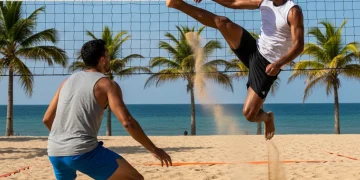
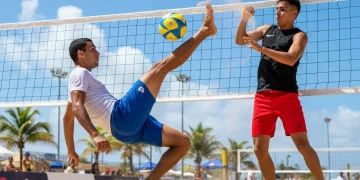
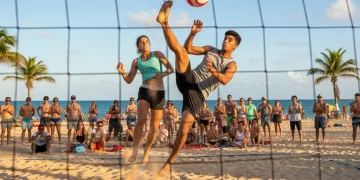
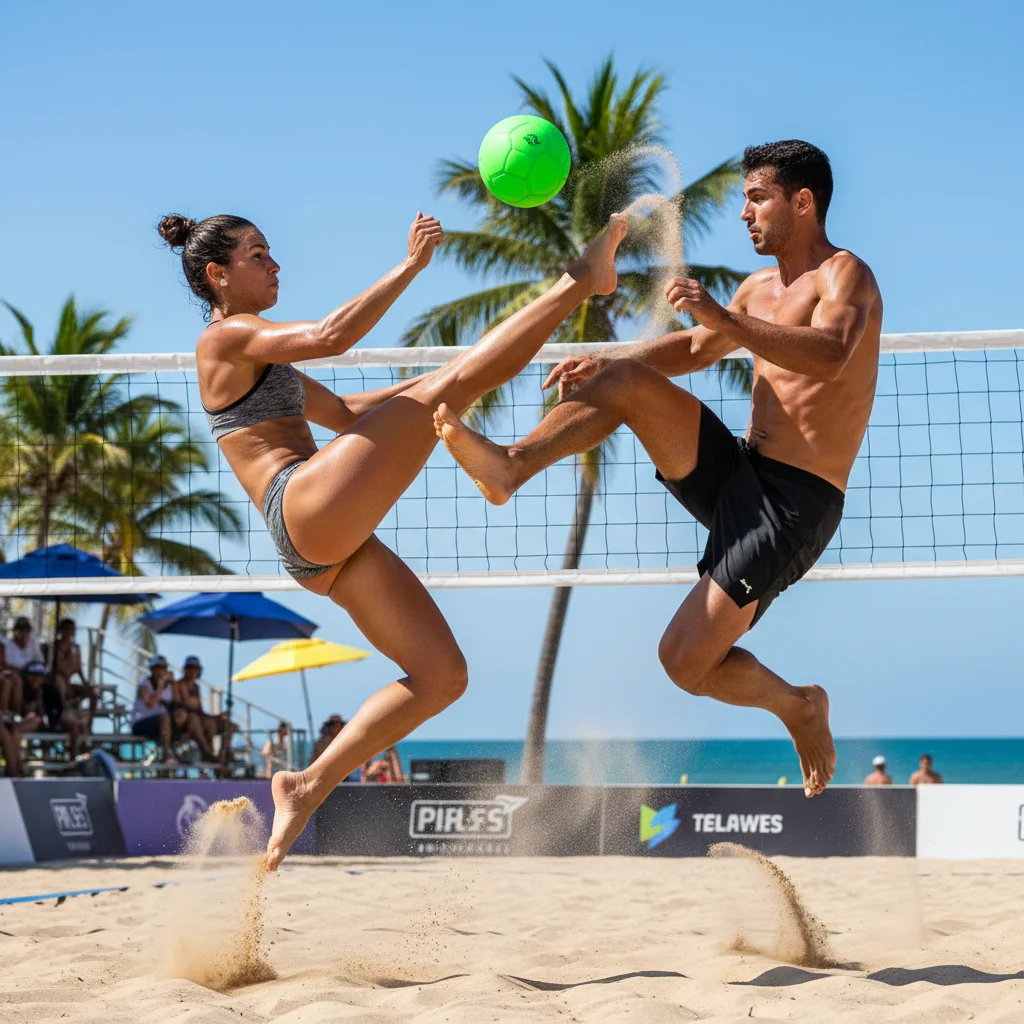
Footvolley, a captivating blend of football and volleyball, demands not only exquisite skill and precision but also an exceptional level of physical endurance. Unlike many sports, footvolley matches can extend well beyond typical game times, often requiring players to maintain peak performance for 90 minutes or even longer. The relentless sun, the challenging sand surface, and the continuous movement make it a true test of stamina. To truly excel and dominate on the court, merely being skilled isn’t enough; you need to outlast your opponents. This comprehensive guide will delve into specific footvolley endurance drills designed to help you maintain high performance for extended periods, ensuring you’re as strong in the final set as you are in the first.
The Unique Endurance Demands of Footvolley
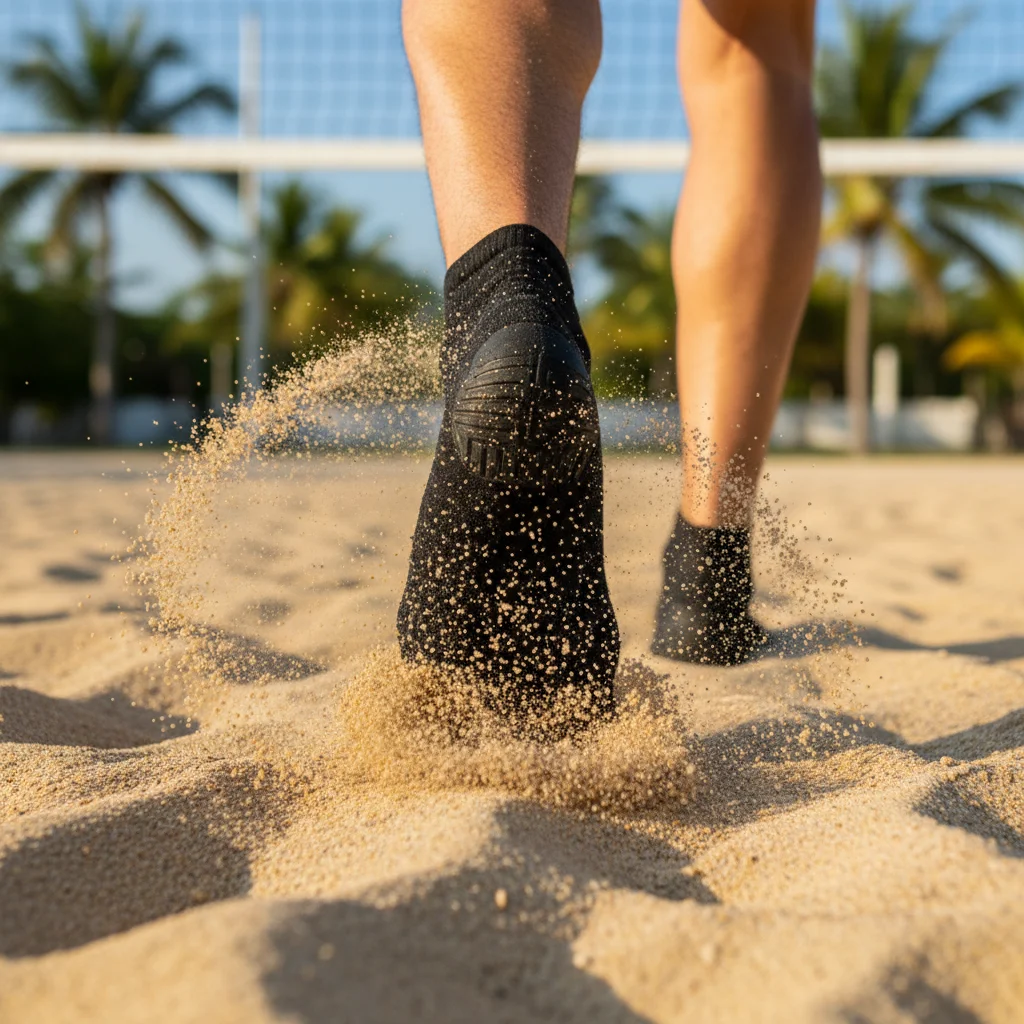
Before diving into the drills, it’s crucial to understand why footvolley presents such unique endurance challenges. The sand itself is a significant factor. Running, jumping, and moving on sand requires significantly more energy than on a solid surface. Your muscles have to work harder to stabilize and propel your body, leading to faster fatigue if not properly conditioned. Additionally, footvolley involves short bursts of intense activity followed by brief recovery periods, a pattern known as intermittent high-intensity exercise. This places a heavy demand on both your aerobic and anaerobic energy systems. A footvolley player must possess:
Anúncios
- Aerobic Capacity: The ability to sustain prolonged effort and recover quickly between points.
- Anaerobic Power: The capacity for explosive movements like jumping, sprinting, and powerful kicks.
- Muscular Endurance: The ability of muscles to repeatedly exert force without fatiguing.
- Heat Tolerance: Playing under the sun requires the body to efficiently regulate temperature.
Neglecting any of these components will inevitably lead to a drop in performance as the match progresses. Therefore, our footvolley endurance drills will target these specific physiological adaptations.
Foundation of Endurance: Cardiovascular Training
Cardiovascular fitness is the bedrock of endurance. Without a strong heart and efficient lungs, all the skill in the world won’t prevent you from running out of gas. For footvolley, a mix of continuous and interval training is ideal.
1. Long-Distance Sand Runs
Objective: Build foundational aerobic capacity and adapt the body to prolonged effort on sand.
Anúncios
Execution:
- Find a long stretch of beach or a large sand court.
- Perform continuous runs at a moderate pace, aiming for 30-60 minutes.
- Focus on maintaining a consistent rhythm and breathing pattern.
- Gradually increase duration and intensity over several weeks.
Benefits: Improves cardiovascular efficiency, strengthens lower body muscles for sand movement, and enhances mental fortitude for sustained effort.
2. High-Intensity Interval Training (HIIT) on Sand
Objective: Enhance anaerobic power, improve lactate threshold, and mimic the intermittent nature of footvolley.
Execution:
- Sprint Intervals: Sprint for 30-45 seconds at maximum effort, followed by 60-90 seconds of active recovery (light jogging or walking). Repeat 8-12 times.
- Shuttle Runs: Mark out 10-15 meter distances. Sprint between markers, touching the sand at each end. Perform for 45-60 seconds, followed by 60 seconds rest. Repeat 6-10 times.
- Hill Sprints (if applicable): If you have access to a sand dune or incline, sprint up for 15-20 seconds, walk down for recovery. Repeat 5-8 times.
Benefits: Drastically improves VO2 max, increases explosive power, and trains the body to recover faster between high-intensity efforts, crucial for continuous rallies.
Sport-Specific Endurance: On-Court Drills
While general cardiovascular training is vital, integrating sport-specific movements into your endurance regimen ensures that your body is conditioned for the exact demands of footvolley. These footvolley endurance drills will simulate game situations.
3. Continuous Footvolley Rallies
Objective: Improve game-like endurance, tactical awareness under fatigue, and consistent ball control.
Execution:
- With 2-4 players, aim to keep the ball in play for as long as possible without a point being scored.
- Focus on controlled passes, defensive movements, and strategic positioning.
- Set time targets (e.g., 5-10 minute continuous rallies) or repetition targets (e.g., 50 touches per side).
- Increase the pace and complexity as endurance improves.
Benefits: Develops muscular endurance specific to footvolley movements, enhances communication with partners under pressure, and refines ball control when fatigued.
4. Defensive Coverage Drills with Increased Repetitions
Objective: Build endurance for rapid lateral movements, defensive dives, and quick recoveries.
Execution:
- One player stands at the net, hitting balls to various deep corners of the court.
- The other player(s) must retrieve each ball, focusing on proper defensive technique (e.g., chest pass, head pass).
- Perform sets of 10-15 retrievals with minimal rest, then switch roles.
- Gradually increase the number of retrievals per set and reduce rest times.
Benefits: Strengthens core stability, improves lateral agility, and builds resilience for continuous defensive actions, which are energy-intensive.
5. Attacking Sequence Repetitions
Objective: Develop endurance for explosive attacking movements, including jumps and powerful kicks.
Execution:
- One player sets the ball consistently from various positions.
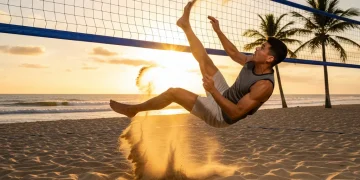
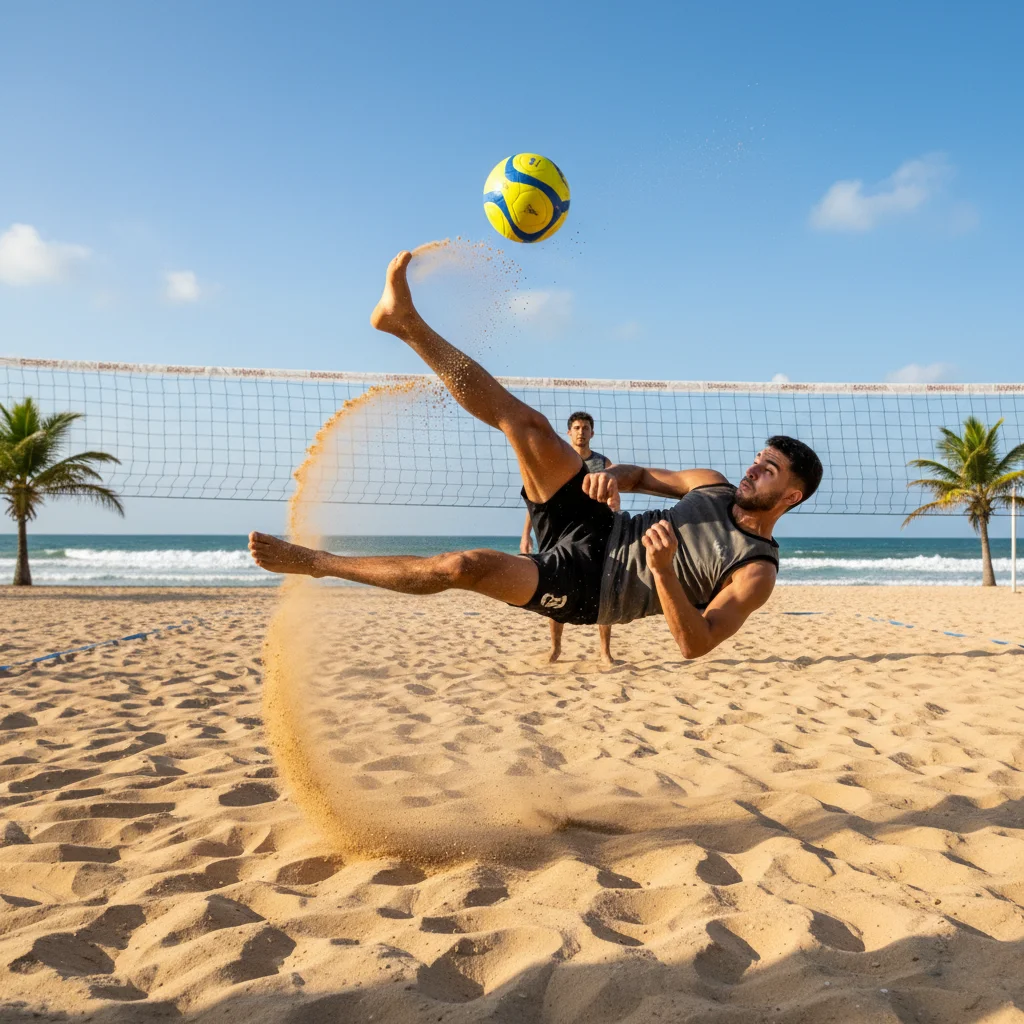
- The attacking player practices different offensive shots (e.g., bicycle kick, header, chest smash) in quick succession.
- Perform 8-12 attacking sequences with short recovery periods (15-20 seconds).
- Focus on maintaining power and accuracy even as fatigue sets in.
Benefits: Enhances anaerobic power for jumping and striking, improves coordination under duress, and builds specific muscular endurance in the legs and core.
Strength and Power Endurance: The Unsung Heroes
While cardiovascular fitness is key, strength and power endurance prevent muscle fatigue and allow you to maintain explosive movements throughout a long match. Incorporating these elements into your footvolley endurance drills is non-negotiable.
6. Sand Plyometrics
Objective: Improve explosive power and reactive strength, crucial for jumping and quick directional changes on sand.
Execution:
- Box Jumps (low box or sand mound): Jump onto and off a stable surface. Focus on soft landings and quick rebound. 3 sets of 8-10 reps.
- Broad Jumps: Jump as far as possible from a standing start. 3 sets of 5-7 reps.
- Single-Leg Hops: Hop forward and laterally on one leg for distance or repetitions. 3 sets of 8-10 reps per leg.
- Depth Jumps (from a low height): Step off a low box, and immediately upon landing, jump vertically as high as possible. 3 sets of 4-6 reps.
Benefits: Increases vertical jump height, improves agility, and builds resilience in tendons and ligaments, reducing injury risk.
7. Resistance Band Drills for Lateral Movement
Objective: Strengthen hip abductors and adductors, essential for quick lateral shuffles and stability on sand.
Execution:
- Place a resistance band around your ankles or knees.
- Band Walks: Perform lateral steps, keeping tension on the band. Walk forward, backward, and sideways. 3 sets of 10-15 steps in each direction.
- Band Shuffles: Mimic defensive shuffling movements with the band around your knees. Perform for 30-45 seconds, rest 30 seconds. Repeat 5-8 times.
Benefits: Improves hip strength and stability, enhances lateral quickness, and reduces the risk of groin strains.
Core Stability and Rotational Power
A strong core is the bridge between your upper and lower body, crucial for generating power in kicks and maintaining balance on an unstable surface. Rotational power is key for powerful strikes and serves.
8. Medicine Ball Rotational Throws
Objective: Enhance rotational power and core strength for striking and serving.
Execution:
- Stand perpendicular to a wall or partner, holding a medicine ball (2-5kg).
- Rotate your torso explosively to throw the ball against the wall/to partner.
- Perform 3 sets of 8-12 throws per side.
- Vary throws: overhead, chest pass, and side throws.
Benefits: Develops explosive core strength, improves striking power, and enhances body control during dynamic movements.
9. Plank Variations for Sand Stability
Objective: Build isometric core strength and improve stability on the unstable sand surface.
Execution:
- Standard Plank: Hold for 60-90 seconds.
- Side Plank: Hold for 45-60 seconds per side.
- Plank with Leg Lift: While holding a standard plank, lift one leg for 10-15 seconds, then switch.
- Dynamic Plank: Move from forearm plank to high plank and back.
Benefits: Strengthens deep core muscles, improves balance, and provides a stable base for all footvolley movements.
Recovery and Nutrition: The Hidden Endurance Boosters
Even the best footvolley endurance drills will be ineffective without proper recovery and nutrition. These are not just add-ons; they are integral components of endurance training.
Hydration Strategy
Playing in the sun on sand leads to significant fluid loss. Dehydration can quickly diminish performance, leading to fatigue, reduced focus, and increased risk of injury.
- Pre-Hydration: Drink plenty of water throughout the day leading up to training or a match.
- During Activity: Sip water or an electrolyte drink every 15-20 minutes, even if you don’t feel thirsty.
- Post-Activity: Replenish fluids and electrolytes lost.
Nutritional Support
Your body needs fuel to perform and repair. Focus on:
- Complex Carbohydrates: Your primary energy source (e.g., whole grains, sweet potatoes, fruits). Consume before and after intense sessions.
- Lean Proteins: Essential for muscle repair and growth (e.g., chicken, fish, beans, lentils).
- Healthy Fats: Provide sustained energy and support hormone function (e.g., avocados, nuts, olive oil).
Consider timing your meals and snacks to optimize energy levels for training and recovery.
Active Recovery and Stretching
Don’t just collapse after a tough session. Incorporate:
- Light Cardio: A 10-15 minute walk or light jog after intense drills helps remove metabolic waste.
- Static Stretching: Hold stretches for major muscle groups (hamstrings, quads, glutes, calves, hip flexors) for 20-30 seconds.
- Foam Rolling: Target tight areas to improve flexibility and reduce muscle soreness.
Adequate Sleep
Sleep is when your body repairs and rebuilds. Aim for 7-9 hours of quality sleep per night. Lack of sleep impairs recovery, reduces cognitive function, and negatively impacts endurance.
Sample Weekly Training Schedule for Footvolley Endurance
Here’s a template to integrate these footvolley endurance drills into a balanced training week:
- Monday: Long-Distance Sand Run (30-45 min) + Core Stability Drills
- Tuesday: High-Intensity Interval Training (HIIT) on Sand + Medicine Ball Rotational Throws
- Wednesday: Active Recovery (light swim, walk) + Full Body Stretching/Foam Rolling
- Thursday: Continuous Footvolley Rallies (30-45 min) + Defensive Coverage Drills
- Friday: Sand Plyometrics + Attacking Sequence Repetitions + Resistance Band Drills
- Saturday: Game Simulation / Practice Match (focus on maintaining intensity for 90+ min)
- Sunday: Complete Rest or Light Active Recovery
Remember to listen to your body and adjust the intensity and volume as needed. Progressive overload is key – gradually increase the challenge to continue making gains.
Mental Toughness: The Final Frontier of Endurance
Physical endurance is often limited by mental fatigue. When your body starts to tire, your mind can be your greatest asset or your biggest enemy. Developing mental toughness is as important as physical conditioning.
- Visualization: Before training or a match, visualize yourself performing strongly and maintaining energy throughout.
- Positive Self-Talk: Replace negative thoughts with encouraging affirmations. Focus on effort and process, not just outcome.
- Goal Setting: Break down long matches into smaller, manageable segments. Focus on winning the next point, the next five minutes.
- Breathing Techniques: Practice controlled breathing to manage stress and conserve energy during breaks in play.
Integrating these mental strategies into your footvolley endurance drills will help you push past perceived limits and maintain focus when physical fatigue sets in.
Conclusion: Sustained Excellence on the Sand
Achieving and maintaining high performance in footvolley for over 90 minutes is a challenging but attainable goal. It requires a holistic approach that combines targeted footvolley endurance drills, smart strength and power training, meticulous recovery, optimal nutrition, and unwavering mental fortitude. By consistently implementing the strategies outlined in this guide, you will not only build the physical capacity to outlast your opponents but also cultivate the mental resilience to perform at your best when it matters most.
Remember, consistency is paramount. There are no shortcuts to true endurance. Dedicate yourself to the process, embrace the challenge of the sand, and watch your footvolley game transform into a relentless display of skill and stamina. So, hit the sand, put in the work, and prepare to dominate every long, exhilarating match!