
In the fiercely competitive world of professional sports, identifying and securing top talent is the lifeblood of any successful organization. As the 2026 Draft draws closer, teams are already meticulously sifting through countless prospects, searching for those rare individuals who possess the potential to become future stars. Gone are the days when a scout’s keen eye from the stands was the sole determinant of a player’s worth. Today, the landscape of talent evaluation has been revolutionized by technology, with video analysis emerging as an indispensable tool. This article delves deep into the critical role of video scouting talent, offering insider knowledge and practical solutions for identifying top prospects for the 2026 Draft and beyond.
The evolution of sports analytics has transformed how teams approach recruitment. What was once subjective and often anecdotal is now increasingly data-driven and objective. Video analysis provides an unparalleled level of detail, allowing scouts to dissect every aspect of a player’s performance, identify patterns, and predict future potential with greater accuracy. For the 2026 Draft, teams that master the art of video analysis will undoubtedly hold a significant advantage.
Anúncios
The Paradigm Shift: Why Video Analysis is Crucial for 2026 Draft Scouting
The traditional scouting model, while still valuable, has limitations. A scout attending a game can only observe so much, and biases can inevitably creep into their assessment. Video analysis, however, offers a comprehensive and repeatable method for evaluation. It allows scouts to review plays multiple times, slow down footage, zoom in on specific actions, and even analyze a player’s performance in isolation or in various game situations. This granular level of detail is paramount when searching for elite talent for the 2026 Draft.
One of the primary benefits of video scouting talent is its ability to provide context. A highlight reel might showcase spectacular plays, but video analysis reveals the consistency, decision-making under pressure, and overall impact a player has on the game. It allows scouts to go beyond the “wow” factor and understand the underlying skills and instincts that make a player truly special.
Furthermore, video analysis democratizes access to talent. Players from obscure leagues, international competitions, or even high school circuits who might otherwise go unnoticed can be discovered through diligent video review. This expands the talent pool significantly, ensuring that no stone is left unturned in the quest for the next generation of superstars for the 2026 Draft.
Anúncios
Key Metrics and What to Look For: Deconstructing Player Performance
Identifying top talent through video analysis requires a keen understanding of what metrics truly matter. While raw statistics like points, rebounds, or tackles are important, video allows scouts to delve into the “how” and “why” behind those numbers. Here are some key areas to focus on when engaging in video scouting talent:
- Technical Proficiency: This involves analyzing fundamental skills – shooting mechanics, passing accuracy, dribbling control, defensive footwork, tackling technique, etc. Is their technique repeatable under pressure? Do they adapt their technique to different situations?
- Tactical Awareness and Decision-Making: How well does a player understand the game? Do they make the right decisions with and without the ball? Do they anticipate plays effectively? Video can reveal a player’s spatial awareness, their ability to read defenses, and their understanding of team schemes.
- Physical Attributes in Action: While combine numbers provide a baseline, video shows how a player’s speed, agility, strength, and endurance translate to game situations. Do they maintain their explosiveness throughout a game? How do they use their physical gifts to gain an advantage?
- Work Ethic and Effort: Video doesn’t lie when it comes to effort. Are they hustling back on defense? Are they fighting for loose balls? Do they give up on plays? These often intangible qualities are crucial indicators of a player’s character and commitment.
- Composure Under Pressure: How does a player perform in high-stakes situations? Do they make crucial plays when the game is on the line, or do they wilt under pressure? Video analysis of close games and clutch moments provides invaluable insight.
- Leadership and Communication: While harder to quantify, observing a player’s interactions with teammates, their body language, and their ability to organize or motivate others on the field or court can be gleaned from video.
- Consistency: Is a player’s performance consistent across multiple games and situations? One great game doesn’t make a top prospect. Video analysis over a season or multiple seasons helps establish a player’s baseline and growth trajectory.
For the 2026 Draft, a scout employing advanced video scouting talent techniques will not just see a player making a great catch; they will analyze the route run, the separation created, the hand-eye coordination, and the body control in traffic. They will then compare this to other catches, other routes, and other game situations to build a comprehensive profile.
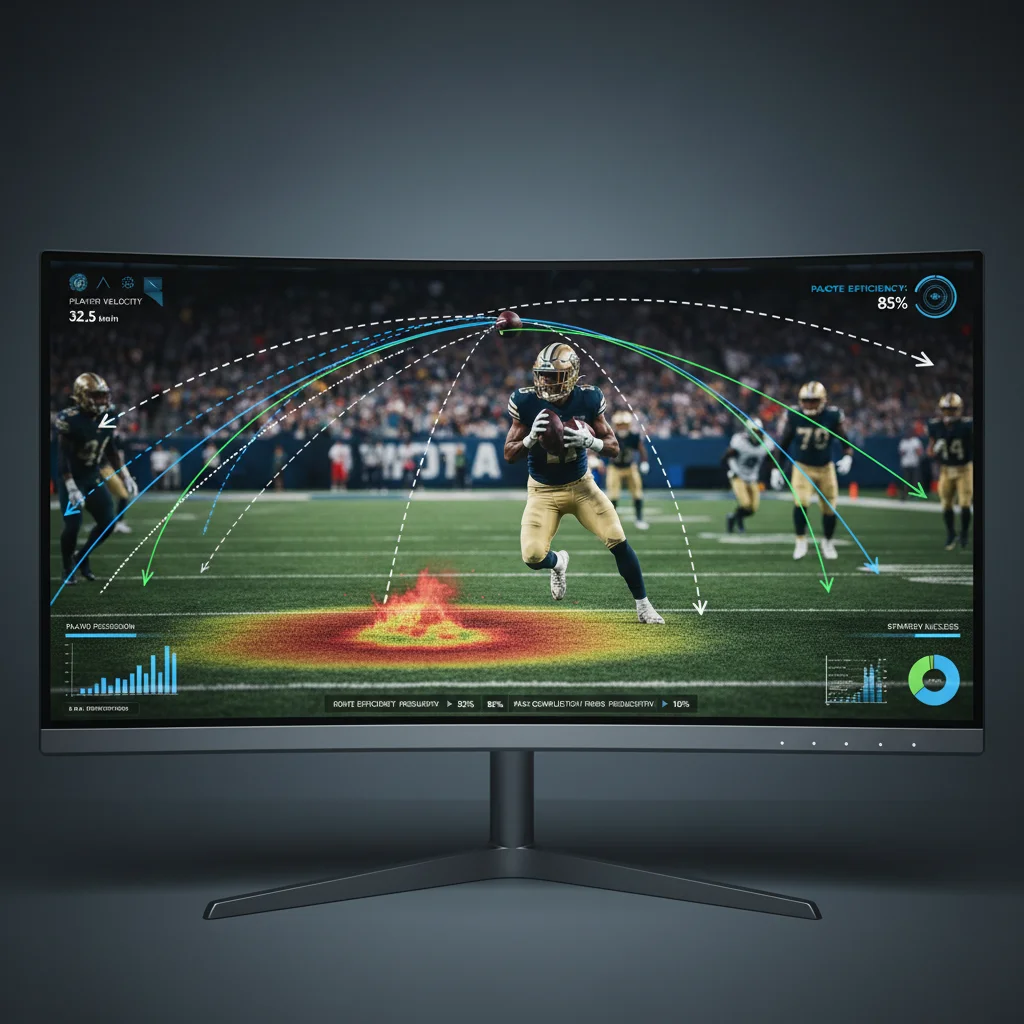
Leveraging Technology: Tools and Platforms for Advanced Video Scouting
The efficacy of video scouting talent is significantly amplified by the right technological tools. Modern sports organizations utilize sophisticated software and platforms designed specifically for performance analysis. These tools go far beyond simple video playback, offering a suite of features that empower scouts and analysts.
- Advanced Video Editing Software: Programs like Hudl Sportscode, Synergy Sports, and Wyscout allow users to tag specific actions, create custom highlight reels, and organize vast amounts of footage efficiently. This means a scout can quickly pull up all instances of a player’s defensive transitions, or all their touches in the final third.
- Data Integration: The best video analysis platforms integrate seamlessly with statistical databases. This allows scouts to cross-reference video observations with quantitative data, providing a holistic view of a player’s performance. For example, seeing a player’s passing completion rate alongside video of their actual passes provides richer context.
- Telestration and Annotation Tools: These features enable scouts to draw on video, highlight specific players or movements, and add textual annotations. This is invaluable for communicating observations to coaching staff and for creating detailed scouting reports.
- Motion Tracking and Player Tracking Data: Increasingly, advanced systems use optical tracking or GPS data to quantify player movement, speed, agility, strength, and even work rate. Overlaying this data onto video footage provides an unprecedented level of insight into a player’s physical output and tactical positioning. This is particularly crucial for identifying athletic potential for the 2026 Draft.
- Cloud-Based Platforms: The ability to access and share video and data from anywhere is vital in a global scouting landscape. Cloud-based platforms facilitate collaboration among scouting teams, allowing for real-time discussions and shared insights regardless of geographical location.
For the 2026 Draft, teams that invest in these cutting-edge technologies and train their personnel to utilize them effectively will undoubtedly gain a competitive edge in video scouting talent. The ability to quickly process, analyze, and disseminate information about prospects is a game-changer.
Building a Comprehensive Player Profile: Beyond the Highlights
A common pitfall in scouting, even with video, is focusing solely on highlight reels. While exciting, highlights rarely tell the full story. A truly comprehensive player profile, essential for the 2026 Draft, is built upon a balanced and critical review of a player’s entire body of work.
When utilizing video scouting talent, it’s imperative to watch full games or extended periods of play, not just isolated clips. This allows scouts to observe a player’s performance in various game states – when their team is winning or losing, when they are tired, when they are being targeted by opponents, and when they are required to perform less glamorous tasks. It reveals their consistency, resilience, and adaptability.
A robust player profile should include:
- Strengths and Weaknesses: A detailed breakdown of what a player does well and areas where they need improvement. This should be supported by specific video examples.
- Fit within a System: How would this player’s skills translate to a specific team’s offensive and defensive schemes? Do they possess the versatility to play multiple roles if needed?
- Projection: Based on their current performance and potential, what is their ceiling? What kind of player can they become in 2-3 years? This is where the art of scouting meets the science of analysis.
- Character Assessment (where possible): While video can’t fully assess character, observing reactions to adversity, interactions with teammates and coaches, and overall demeanor can provide clues.
- Injury History (supplementary data): While not directly from video, this crucial piece of information should always be integrated into the overall profile.
For the 2026 Draft, teams need to develop a systematic approach to building these profiles, ensuring consistency and objectivity across all prospects. This often involves standardized templates and rubrics for evaluation, all underpinned by rigorous video scouting talent.
The Human Element: Combining Video Analysis with Traditional Scouting
Despite the technological advancements, it’s crucial to remember that video analysis is a tool, not a replacement for human judgment. The most effective scouting operations for the 2026 Draft will seamlessly integrate advanced video techniques with traditional, in-person scouting.
Here’s how the two complement each other:
- Verifying Video Observations: An in-person scout can confirm what was seen on video. Sometimes, the camera angle or quality might distort certain aspects of a player’s movement or speed.
- Assessing Intangibles: While video offers clues, things like leadership, communication, and overall presence are best evaluated in person. How does a player interact with their coaches and teammates off the field? How do they handle media attention?
- Interviewing Prospects and Coaches: Personal interviews provide invaluable insight into a player’s character, work ethic, and desire to improve. This cannot be replicated by video.
- Medical Evaluations: A critical component of scouting, medical checks are obviously an in-person requirement.
- Live Game Environment: The atmosphere of a live game, the crowd noise, and the pressure of the moment can sometimes reveal aspects of a player’s psyche that aren’t always apparent on film.
The ideal scenario for video scouting talent for the 2026 Draft involves a scout identifying a promising prospect through video, conducting a thorough video analysis, and then making an informed decision about whether an in-person visit is warranted. This optimizes resources and ensures that valuable time is spent on the most promising candidates.

Practical Solutions for Aspiring Scouts and Organizations
For individuals or smaller organizations looking to enhance their video scouting talent capabilities for the 2026 Draft, here are some practical solutions:
- Start Small, Think Big: You don’t need the most expensive software to begin. Many free or affordable tools (like various video editors or even basic spreadsheet software for data tracking) can get you started. The key is developing a systematic approach to analysis.
- Learn the Game Inside Out: Deep tactical knowledge of your sport is paramount. Understand offensive and defensive schemes, common player roles, and how different actions contribute to overall team success. This knowledge will guide your video analysis.
- Develop a Critical Eye: Practice watching video with a purpose. Don’t just watch for highlights; actively look for specific actions, tendencies, and decision-making patterns. Ask “why” a player did something.
- Network and Collaborate: Join online communities, attend workshops, and connect with other scouts and analysts. Sharing insights and learning from others is invaluable.
- Utilize Publicly Available Resources: Many leagues and organizations provide extensive video archives. Learn how to navigate these resources effectively to find the footage you need.
- Build Your Own Database: Even with basic tools, you can start building a personal database of players, tagging their strengths, weaknesses, and key plays. This will become an invaluable resource over time.
- Focus on Specific Roles: Instead of trying to scout every position, specialize in one or two initially. This allows you to develop deeper expertise and refine your analytical skills.
For organizations, investing in continuous professional development for scouting staff is crucial. The world of sports analytics is constantly evolving, and staying abreast of the latest tools and methodologies is essential to maintain a competitive edge in identifying talent for the 2026 Draft.
The Future of Video Scouting: AI and Machine Learning
The future of video scouting talent is undoubtedly intertwined with advancements in artificial intelligence (AI) and machine learning (ML). These technologies are already beginning to automate and enhance various aspects of video analysis, promising even greater efficiency and accuracy for the 2026 Draft and beyond.
- Automated Tagging and Event Detection: AI algorithms can be trained to automatically identify and tag specific events in a game, suchs as passes, shots, tackles, turnovers, or specific player movements. This dramatically reduces the manual workload for analysts.
- Predictive Analytics: Machine learning models can analyze vast datasets of historical player performance, physical attributes, and game situations to predict a prospect’s future success, injury risk, or potential fit within a particular system.
- Player Comparison Tools: AI can quickly compare a prospect’s performance metrics and video patterns against a database of successful professional players, identifying stylistic similarities and potential growth trajectories.
- Tactical Pattern Recognition: AI can identify complex tactical patterns that might be difficult for the human eye to spot, such as defensive vulnerabilities or offensive tendencies, allowing scouts to see how a player performs within these systems.
- Virtual Reality (VR) and Augmented Reality (AR): While still nascent, VR and AR could revolutionize how scouts interact with video, offering immersive experiences for player evaluation and even simulated game environments.
While AI will undoubtedly play a larger role, it’s unlikely to completely replace human scouts. Instead, it will serve as a powerful assistant, augmenting human capabilities and allowing scouts to focus on the more nuanced and subjective aspects of talent evaluation. The synergy between human expertise and technological power will be the hallmark of successful video scouting talent operations for the 2026 Draft.
Conclusion: Mastering Video Analysis for 2026 Draft Success
The journey to the 2026 Draft is already well underway for professional sports organizations. In this high-stakes environment, the ability to effectively utilize video scouting talent is no longer a luxury but a fundamental necessity. From meticulously breaking down technical skills to understanding tactical acumen and leveraging cutting-edge technology, video analysis provides the detailed insights required to make informed decisions about future stars.
By combining the objective power of video with the invaluable subjective judgment of experienced scouts, teams can build robust player profiles, mitigate risks, and uncover hidden gems. The future of talent identification is dynamic and technology-driven, but at its core, it remains a pursuit of human potential. Mastering video analysis is the key to unlocking that potential and shaping the rosters that will dominate the professional sports landscape in the years to come. Embrace these practical solutions and insider knowledge, and position your organization for unparalleled success in the 2026 Draft and beyond.