Footvolley Recovery Drills: 3 Essential Routines for Peak Performance Every Week
Anúncios
Footvolley Recovery Drills: 3 Essential Routines for Peak Performance Every Week
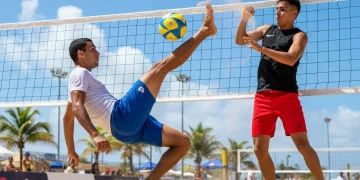
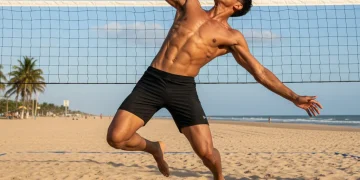
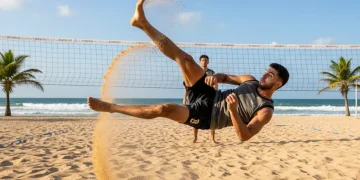
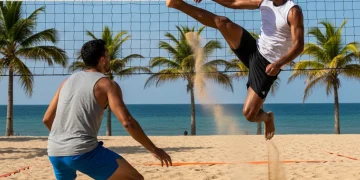
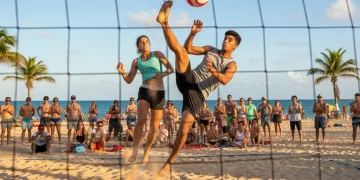
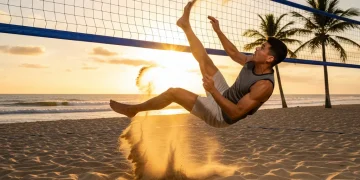
Footvolley, a dynamic and exhilarating sport combining elements of volleyball and soccer, demands incredible athleticism, agility, and endurance. The constant jumping, diving, kicking, and quick directional changes place significant stress on the body, particularly on the lower limbs, core, and shoulders. While the thrill of the game often pushes players to their limits, neglecting proper recovery can lead to decreased performance, increased injury risk, and a shorter career on the sand. This comprehensive guide will delve into the critical importance of footvolley recovery drills and present three essential routines you can integrate into your weekly schedule to ensure peak performance, accelerate recuperation, and extend your time on the court.
Understanding the physiological demands of footvolley is the first step towards appreciating the necessity of dedicated recovery. Footvolley involves repeated high-impact movements, explosive bursts of energy, and sustained cardiovascular effort. This type of activity leads to muscle fatigue, microscopic muscle tears (which are a natural part of muscle growth but require proper healing), and the accumulation of metabolic byproducts like lactic acid. Without effective recovery strategies, these factors can compromise your next training session or match, making you more susceptible to strains, sprains, and chronic overuse injuries.
Anúncios
Moreover, footvolley often takes place on sand, which, while softer than hard courts, presents its own unique challenges. The unstable surface requires greater muscular stabilization, particularly around the ankles, knees, and hips. This increased demand can lead to heightened fatigue and muscle soreness if not properly addressed through targeted recovery. Therefore, incorporating specific footvolley recovery drills is not just an option; it’s a non-negotiable component of a serious player’s regimen.
This article will guide you through the ‘why’ and ‘how’ of footvolley recovery, offering actionable, science-backed routines that focus on flexibility, mobility, and muscle repair. By consistently implementing these drills, you’ll not only feel better but also play better, week after week.
The Unseen Battle: Why Footvolley Recovery Drills Are Non-Negotiable
Many athletes focus intensely on training and competition, often overlooking the equally crucial phase of recovery. In footvolley, where every serve, pass, and spike is a testament to physical prowess, recovery isn’t just about resting; it’s an active process that prepares your body for the next challenge. Ignoring recovery is akin to driving a high-performance car without ever changing the oil – eventually, performance will degrade, and breakdowns will occur.
Anúncios
Preventing Injuries: The First Line of Defense
One of the primary benefits of consistent footvolley recovery drills is injury prevention. When muscles are fatigued and tight, their ability to absorb shock and react quickly diminishes. This makes them more vulnerable to tears, strains, and pulls. Furthermore, repetitive stress on joints without adequate recovery can lead to chronic conditions such as tendinitis or stress fractures. Targeted recovery drills improve muscle elasticity and joint mobility, reducing the likelihood of these common footvolley injuries.
Enhancing Performance: The Road to Peak Play
Recovery isn’t just about avoiding setbacks; it’s about building a stronger, more efficient athlete. Proper recovery allows your muscles to repair and adapt to the stresses of training, leading to improved strength, power, and endurance. When your body is fully recovered, you can execute movements with greater precision, react faster, and maintain a high level of play throughout an entire match. This directly translates to better serves, more powerful headers, and quicker defensive maneuvers – all hallmarks of a top-tier footvolley player.
Accelerating Muscle Repair and Growth
During intense footvolley sessions, muscle fibers experience micro-traumas. The recovery process, particularly through adequate rest and specific drills, facilitates the repair of these fibers. This repair process is what leads to muscle growth and increased strength. By optimizing recovery, you’re essentially optimizing your body’s ability to adapt and become more resilient. This is where foam rolling, stretching, and proper nutrition play pivotal roles.
Reducing Muscle Soreness and Fatigue
Delayed Onset Muscle Soreness (DOMS) is a common companion for footvolley players, especially after particularly intense matches or training sessions. While a certain degree of soreness is normal, excessive DOMS can hinder subsequent performance and make simple movements uncomfortable. Footvolley recovery drills, especially those involving light activity and stretching, can help alleviate DOMS by promoting blood flow and flushing out metabolic waste products, allowing you to feel fresher sooner.
Routine 1: The Post-Game Cool-Down & Static Stretch (Immediately After Play)
This routine is designed to be performed immediately after your footvolley session, ideally within 10-15 minutes of stepping off the sand. The goal is to gradually bring your heart rate down, reduce muscle stiffness, and begin the process of flushing out metabolic byproducts. Static stretching, performed when muscles are still warm, is most effective in improving flexibility and range of motion.
Phase 1: Gentle Aerobic Cool-Down (5-7 minutes)
Instead of abruptly stopping, engage in light, continuous movement. This helps prevent blood pooling and allows your cardiovascular system to return to a resting state gradually.
- Slow Jog/Walk on Sand: Lightly jog or walk around the court. Focus on controlled breathing.
- Light Arm Swings: While walking, gently swing your arms forward and backward, and across your body to loosen up the shoulders and upper back.
- Gentle Leg Swings: Perform small, controlled leg swings (forward/backward and side-to-side) to initiate hip mobility without overstretching.
Phase 2: Static Stretching (10-15 minutes)
Hold each stretch for 20-30 seconds, breathing deeply and relaxing into the stretch. Avoid bouncing. Focus on the major muscle groups used in footvolley.
Lower Body Stretches:
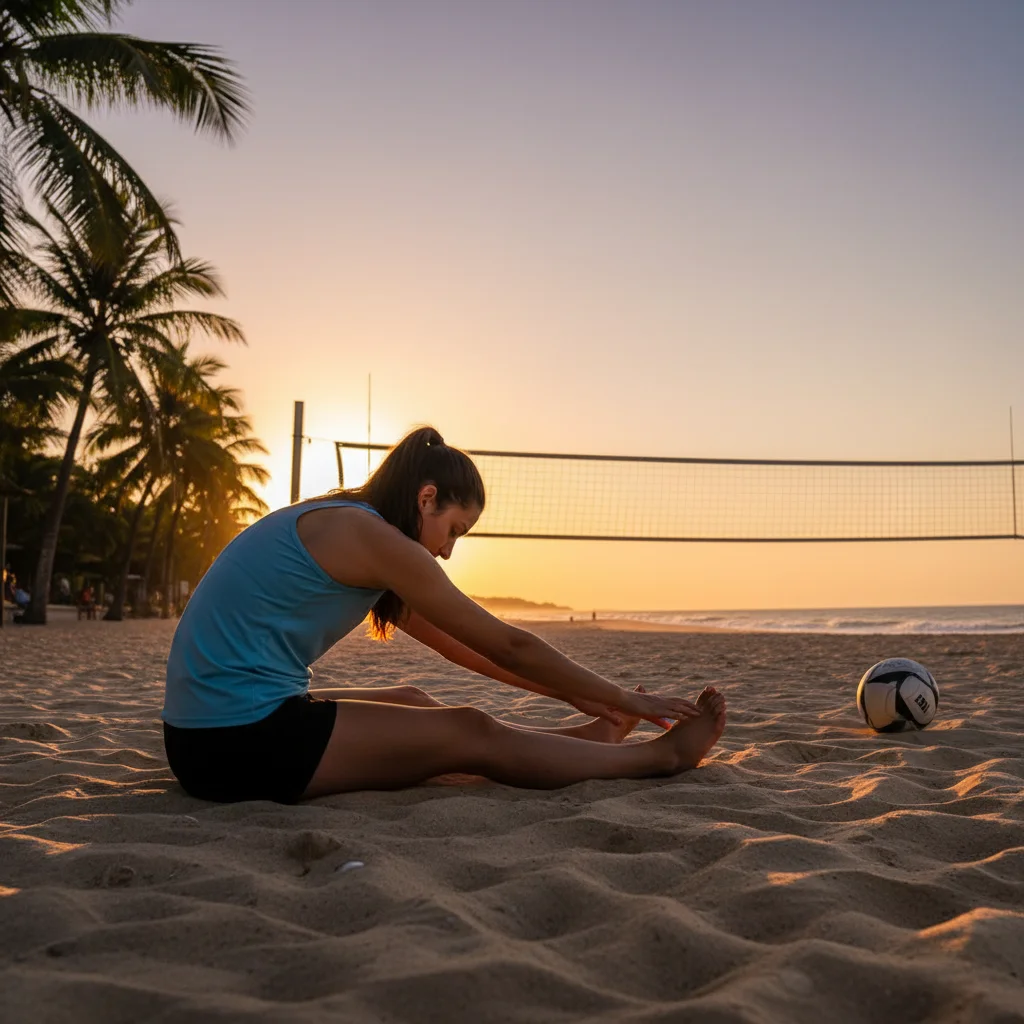
- Hamstring Stretch: Sit on the sand with one leg extended, reach for your toes. Alternatively, stand and gently bend forward, keeping legs straight.
- Quadriceps Stretch: Stand and pull one heel towards your glutes, keeping knees together. Use a net or partner for balance if needed.
- Calf Stretch (Gastrocnemius & Soleus): Lean against a wall or net with one foot back, heel down. Bend the front knee for gastrocnemius, then slightly bend the back knee for soleus.
- Hip Flexor Stretch: Kneel on one knee (pad if necessary), with the other foot flat on the ground in front. Gently push hips forward.
- Glute Stretch (Figure-Four): Lie on your back, cross one ankle over the opposite knee, and gently pull the thigh towards your chest.
- Inner Thigh (Adductor) Stretch: Sit with the soles of your feet together (butterfly stretch) or stand with legs wide apart, leaning to one side.
Upper Body & Core Stretches:
- Shoulder Stretch: Cross one arm across your chest, using the other arm to gently pull it closer.
- Triceps Stretch: Reach one arm overhead, bend at the elbow, and use the other hand to gently push the elbow down.
- Chest Stretch: Interlace fingers behind your back and gently lift your arms, or stand in a doorway and lean forward.
- Spinal Twist: Sit with one leg extended, bring the other foot over the extended leg’s knee. Twist your torso towards the bent knee.
Routine 2: The Mid-Week Mobility & Myofascial Release (24-48 Hours Post-Game)
This routine is best performed 24-48 hours after an intense footvolley session, when DOMS might be setting in. It combines dynamic movements, which improve active range of motion, with self-myofascial release (SMR) using tools like foam rollers or massage balls. SMR helps break up knots in muscles, improve blood flow, and release tension, directly contributing to effective footvolley recovery drills.
Phase 1: Dynamic Mobility Drills (10-15 minutes)
These movements are performed in a controlled, fluid manner, gradually increasing your range of motion. They prepare your joints and muscles for movement without static holds.
- Leg Swings (Forward & Side-to-Side): Perform 10-15 controlled swings per leg in each direction. Focus on smooth, unforced movement.
- Torso Twists: Stand with feet shoulder-width apart, gently twist your torso from side to side, keeping hips relatively stable.
- Arm Circles: Perform large, controlled circles forward and backward with both arms.
- Cat-Cow Stretch: On hands and knees, arch your back like a cat and then drop your belly like a cow, coordinating with breath.
- Walking Lunges with Torso Twist: Step into a lunge, and as you do, twist your torso towards the lead leg.
- Inchworms: Start standing, walk hands out to a plank position, then walk feet towards hands.
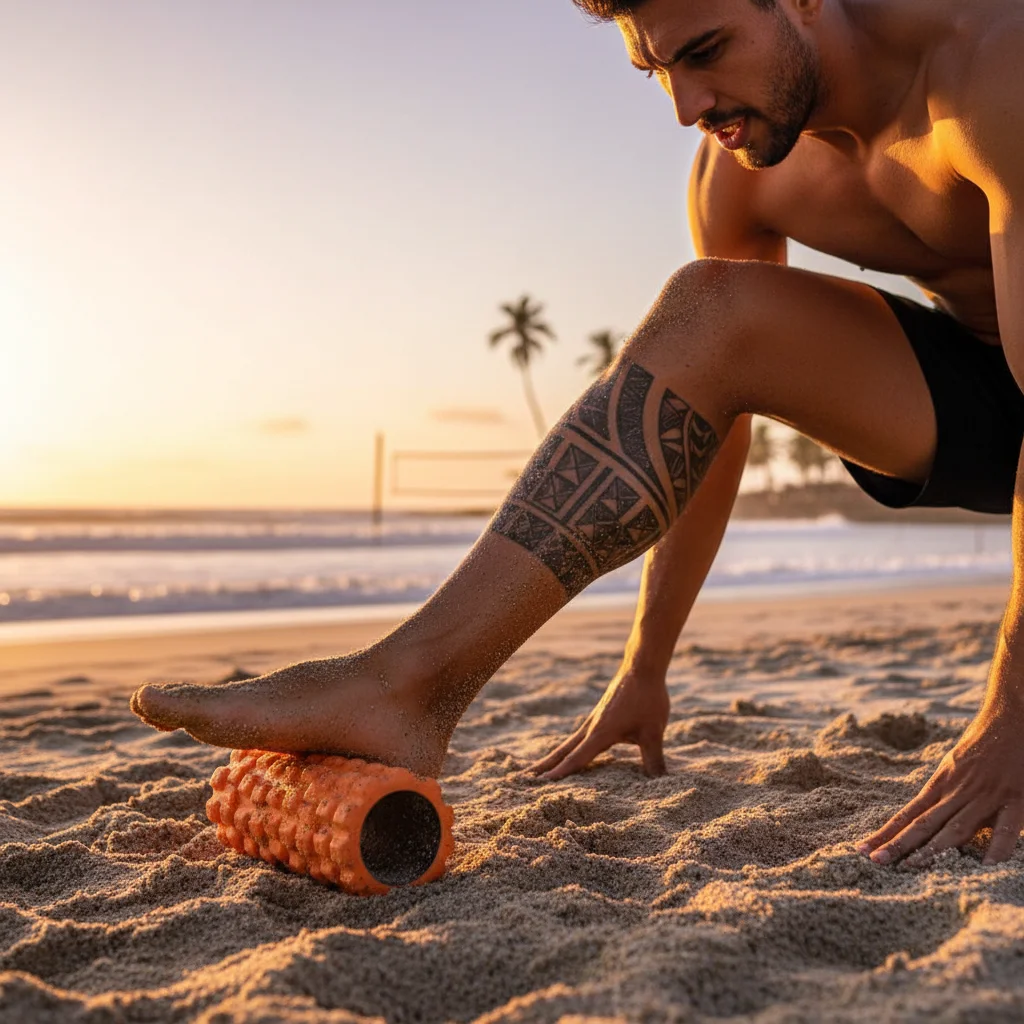
Phase 2: Self-Myofascial Release (SMR) with Foam Roller/Massage Ball (15-20 minutes)
Slowly roll over tight areas, pausing on tender spots for 20-30 seconds until the discomfort lessens. Breathe deeply throughout.
Target Areas for Footvolley Players:
- Calves: Sit on the floor, place foam roller under one calf. Roll from ankle to knee, turning leg inward and outward.
- Hamstrings: Sit on the roller, place it under one hamstring. Roll from knee to glute.
- Quadriceps: Lie face down, place roller under thighs. Roll from hip to knee.
- IT Band: Lie on your side, place roller under outer thigh. Support yourself with hands and opposite foot. This can be intense!
- Glutes/Piriformis: Sit on the roller, cross one ankle over the opposite knee, and lean into the glute of the crossed leg.
- Upper Back/Lats: Lie on your back, roller under upper back. Roll up and down, or lie on your side to target lats.
- Feet (Massage Ball): Stand and roll a small massage ball (or tennis ball) under the arch of your foot, applying gentle pressure. This is crucial for footvolley players.
Routine 3: The Pre-Game Activation & Dynamic Warm-up (Before Play)
While not strictly a ‘recovery’ drill in the traditional sense, a proper pre-game activation and dynamic warm-up is crucial for injury prevention and optimal performance, which are direct outcomes of effective recovery. This routine prepares your body for the specific demands of footvolley, ensuring muscles are warm, joints are mobile, and your nervous system is primed. This routine should be performed 15-20 minutes before your footvolley session.
Phase 1: Light Cardio & General Warm-up (5 minutes)
Start with gentle movements to increase heart rate and blood flow.
- Light Jogging/Shuffling: Move around the court, side-shuffling, back-pedaling, and light jogging.
- High Knees & Butt Kicks: Perform these in place or moving forward for short distances.
- Jumping Jacks: A classic for full-body warm-up.
Phase 2: Dynamic Stretching & Activation (10-15 minutes)
These movements mimic the actions of footvolley, preparing your muscles and joints for explosive movements and quick changes in direction. This is a key part of your footvolley recovery drills, as it prevents injuries that could necessitate longer recovery periods.
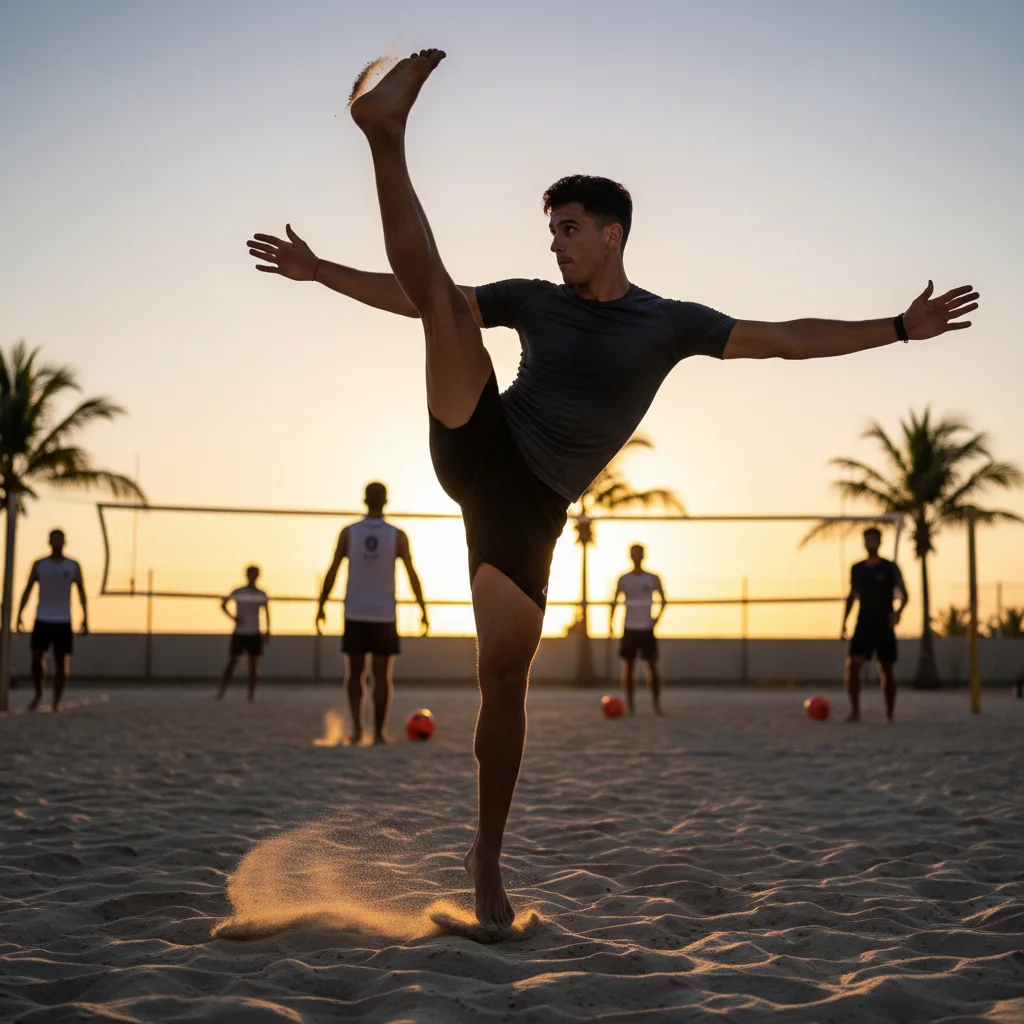
Dynamic Drills for Footvolley:
- Walking Lunges with Overhead Reach: Step into a lunge, and as you do, reach both arms overhead to stretch the hip flexors and lats.
- Leg Swings (Front-to-Back & Side-to-Side): Gradually increase the range of motion. Focus on control, not height.
- Torso Rotations: Stand with feet wide, gently rotate your torso, allowing arms to swing freely.
- Arm Circles & Cross-Body Swings: Prepare shoulders for serves and overhead passes.
- Carioca/Grapevine: Lateral movement drill that warms up hips and improves agility.
- Spider-Man Lunges: Step forward into a lunge, bring the hand on the same side as the front foot down to the ground, opening the hip.
- Ankle Rotations: Gently rotate each ankle in both directions to prepare for sand movement.
- Footvolley-Specific Movements: Perform light passes, headers, and serves to activate muscle memory and prepare for game intensity.
Optimizing Your Footvolley Recovery Strategy: Beyond the Drills
While these three footvolley recovery drills are essential, a holistic approach to recovery will yield the best results. Consider these additional factors to supercharge your recuperation and maintain peak performance.
Nutrition: Fueling the Machine
What you put into your body is just as important as how you train it. Post-game nutrition is critical for muscle repair and glycogen replenishment. Aim for a combination of carbohydrates and protein within 30-60 minutes after your session. Carbohydrates replenish energy stores, while protein provides the amino acids needed for muscle repair and growth. Don’t forget healthy fats for overall health and anti-inflammatory benefits.
- Post-Workout Shake: A quick and easy way to get protein and carbs.
- Lean Protein & Complex Carbs: Chicken, fish, quinoa, sweet potatoes.
- Hydration: Drink plenty of water throughout the day, not just during and after play. Electrolyte-rich beverages can be beneficial after intense, sweaty sessions.
Sleep: The Ultimate Recovery Tool
Sleep is when your body does the most significant amount of repair and recovery. During deep sleep, growth hormone is released, which is vital for muscle tissue repair and regeneration. Aim for 7-9 hours of quality sleep per night. Establish a consistent sleep schedule and create a relaxing bedtime routine to optimize your sleep quality.
Active Recovery: Keep Moving
On rest days, consider light active recovery. This could be a gentle swim, a leisurely walk, or a short cycling session. Active recovery helps increase blood flow, which aids in flushing out metabolic waste products and delivering nutrients to tired muscles, without adding significant stress. It keeps your body feeling loose and ready for the next challenging footvolley session.
Listen to Your Body: The Most Important Rule
No two athletes are exactly alike, and your recovery needs may vary based on your training intensity, age, and overall fitness level. Pay attention to signs of overtraining, such as persistent fatigue, decreased performance, irritability, or prolonged muscle soreness. If you experience these symptoms, it might be time to scale back your training and prioritize rest and recovery. Adjust these footvolley recovery drills to suit your body’s unique demands.
Cross-Training for Balance
Incorporating other forms of exercise can complement your footvolley training and aid in recovery. Yoga or Pilates can enhance core strength, flexibility, and balance, all of which are crucial for footvolley. Swimming is an excellent low-impact option that promotes full-body recovery and cardiovascular health without stressing joints.
Mindfulness and Mental Recovery
The mental demands of competitive footvolley can be taxing. Incorporate mindfulness practices, such as meditation or deep breathing exercises, to reduce stress and improve mental clarity. A calm and focused mind can significantly enhance physical recovery and overall well-being.
Putting It All Together: A Weekly Footvolley Recovery Schedule
Here’s how you might integrate these footvolley recovery drills into a typical week:
- Monday: Intense Footvolley Training/Match. Immediately after, perform Routine 1: Post-Game Cool-Down & Static Stretch.
- Tuesday: Rest Day or Light Active Recovery (e.g., gentle swim or walk).
- Wednesday: Moderate Footvolley Training. Immediately after, perform Routine 1.
- Thursday: Implement Routine 2: Mid-Week Mobility & Myofascial Release. Focus on areas of tightness.
- Friday: Rest Day or light cross-training (e.g., yoga, cycling).
- Saturday: Footvolley Match/Tournament. Before play, perform Routine 3: Pre-Game Activation & Dynamic Warm-up. Immediately after, perform Routine 1.
- Sunday: Active Recovery or implement Routine 2 again if needed, focusing on any remaining soreness.
Conclusion: Elevate Your Game with Smart Recovery
Footvolley is a sport that rewards dedication, skill, and relentless effort. However, true mastery isn’t just about what you do on the court; it’s also about how you prepare and recover off it. By consistently implementing these three essential footvolley recovery drills – the post-game cool-down, mid-week mobility and SMR, and the pre-game activation – you are investing in your body’s longevity, performance, and overall well-being.
Remember, recovery is not a passive process; it’s an active and integral part of your training regimen. It’s the secret weapon that allows you to push harder, play longer, and perform at your absolute best, week after week. So, embrace these recovery strategies, listen to your body, and watch your footvolley game reach new heights. The sand may be tough, but with smart recovery, you’ll be tougher.