Mastering Footvolley: 8-Week Core Strength Drills for Peak Performance
Anúncios
Mastering Footvolley: 8-Week Core Strength Drills for Peak Performance
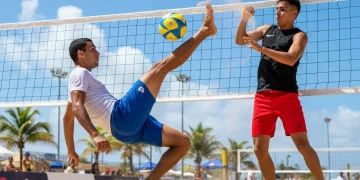
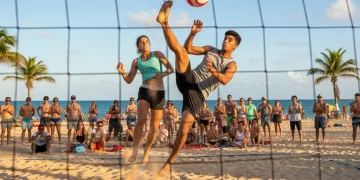
Footvolley, a captivating blend of football and volleyball, demands an extraordinary level of athleticism, agility, and precision. While flashy kicks and acrobatic saves often steal the spotlight, the true engine behind every powerful spike, every agile movement, and every stable landing is a strong, well-conditioned core. Without a robust footvolley core strength, players risk injury, diminished performance, and an inability to execute complex maneuvers consistently. This comprehensive guide outlines an 8-week program designed to build and enhance your footvolley core strength, transforming your game from the ground up.
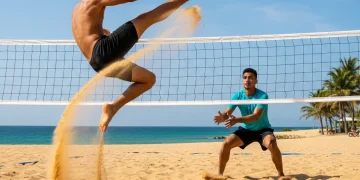
Imagine leaping for a header, twisting your body for a bicycle kick, or diving for a save. Each of these actions originates from your core. It’s the central hub connecting your upper and lower body, facilitating the transfer of power and maintaining balance. Neglecting this crucial area is akin to building a magnificent house on a shaky foundation. Our 8-week journey will systematically target every aspect of your core, ensuring you develop the stability, power, and endurance necessary to dominate the sand court.
Anúncios
Why Footvolley Core Strength is Non-Negotiable
Before diving into the drills, let’s understand why core strength is paramount for footvolley players. It’s not just about having visible abs; it’s about functional strength that translates directly to on-court performance.
Enhanced Stability and Balance
Footvolley is played on sand, an inherently unstable surface. A strong core acts as a natural stabilizer, allowing you to maintain balance during quick changes in direction, jumps, and landings. This prevents falls and reduces the risk of ankle and knee injuries.
Increased Power Generation
Every powerful kick, header, and chest pass in footvolley is a result of kinetic chain transfer, starting from your legs, moving through your core, and extending to the point of contact. A strong core efficiently transfers this power, leading to more explosive and accurate shots.
Anúncios
Improved Agility and Speed
Rapid lateral movements, quick sprints, and sudden stops are constant in footvolley. A well-trained core enables faster reaction times and more efficient body control, allowing you to get to the ball quicker and position yourself optimally.
Injury Prevention
The dynamic nature of footvolley puts significant stress on the spine and surrounding musculature. A strong core provides a protective shield, supporting your lower back and reducing the likelihood of strains, sprains, and chronic pain.
Better Endurance
Maintaining high-level performance throughout a match requires muscular endurance, especially in the core. A fatigued core leads to sloppy movements, decreased power, and increased injury risk. Our program will build the stamina needed to perform at your best, even in extended rallies.
Understanding the Core: More Than Just Abs
When we talk about the core, we’re referring to a complex group of muscles, not just the rectus abdominis (the ‘six-pack’ muscles). These include:
- Rectus Abdominis: Flexes the spine (e.g., crunches).
- Obliques (Internal and External): Responsible for rotation and lateral flexion of the trunk. Crucial for twisting and turning in footvolley.
- Transverse Abdominis: The deepest abdominal muscle, acting like a natural corset to stabilize the spine and pelvis. Essential for overall stability.
- Erector Spinae: A group of muscles running along the spine, responsible for extension and rotation. Important for back health and powerful movements.
- Pelvic Floor Muscles: Support the pelvic organs and contribute to core stability.
- Diaphragm: Plays a role in breathing and intra-abdominal pressure, which aids in core stability.
Our 8-week program will target all these muscle groups, ensuring a holistic approach to building unparalleled footvolley core strength.
The 8-Week Footvolley Core Strength Program
This program is structured into two phases, each lasting four weeks. Each phase builds upon the previous one, progressively increasing in intensity and complexity. Aim to perform these core workouts 3-4 times per week, with at least one rest day between sessions. Remember to listen to your body and modify exercises as needed.
General Guidelines for All Weeks:
- Warm-up (5-10 minutes): Light cardio (jogging, jumping jacks) followed by dynamic stretches (leg swings, torso twists).
- Cool-down (5-10 minutes): Static stretches, focusing on the core, hips, and lower back.
- Form Over Quantity: Always prioritize correct form to maximize effectiveness and prevent injury. If your form breaks down, reduce repetitions or take a break.
- Progression: As you get stronger, increase reps, sets, hold times, or introduce variations.
- Breathing: Focus on controlled breathing throughout each exercise. Exhale during exertion.
Phase 1: Foundation Building (Weeks 1-4)
The initial phase focuses on establishing a strong base, emphasizing stability and control. We’ll introduce fundamental exercises to activate and strengthen the deep core muscles.
Week 1-2: Core Activation & Stability
Workout Structure: Perform 3 sets of 10-15 repetitions for dynamic exercises, and 3 sets of 30-45 second holds for static exercises. Rest 60-90 seconds between sets.
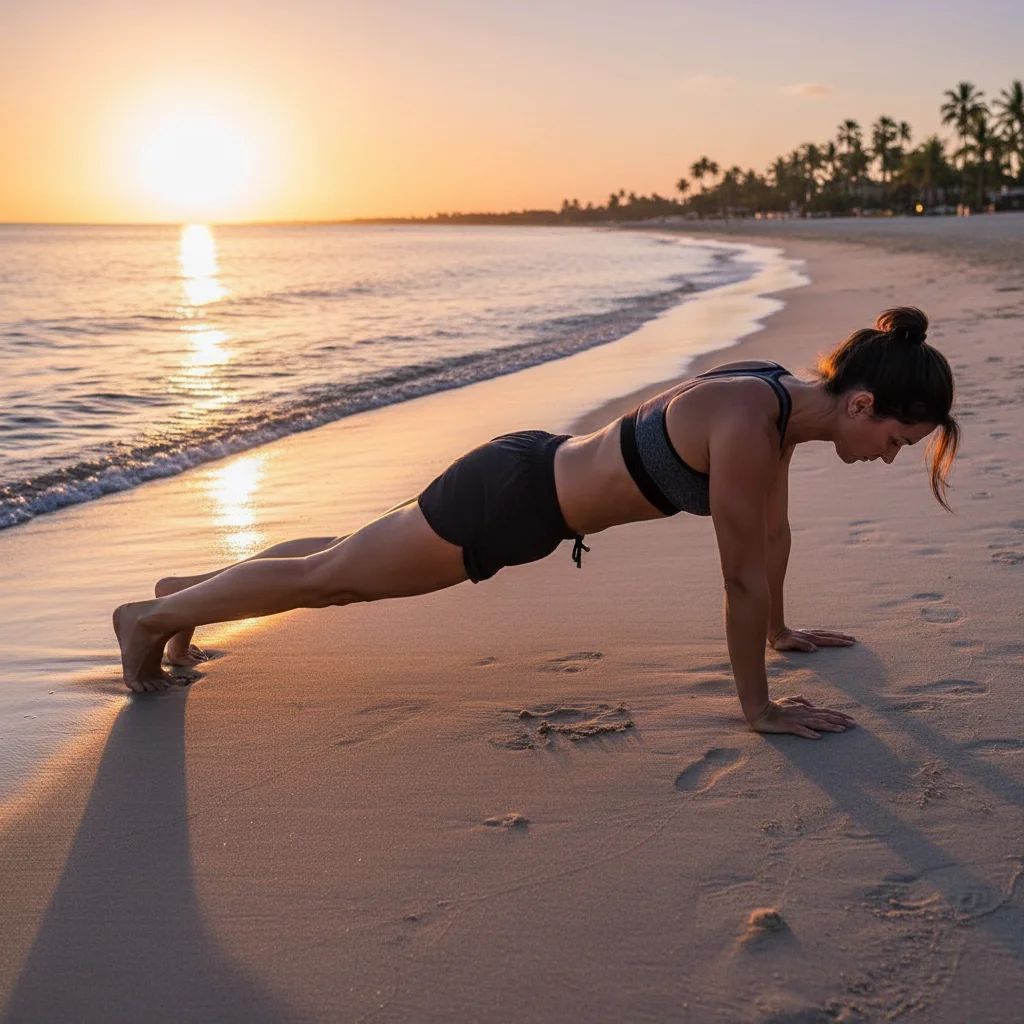
- Plank:
- How: Forearms and toes on the ground, body in a straight line from head to heels. Engage glutes and abs.
- Focus: Full body tension, preventing hips from sagging or lifting too high.
- Footvolley Benefit: Essential for overall core stability, crucial for maintaining balance on sand.
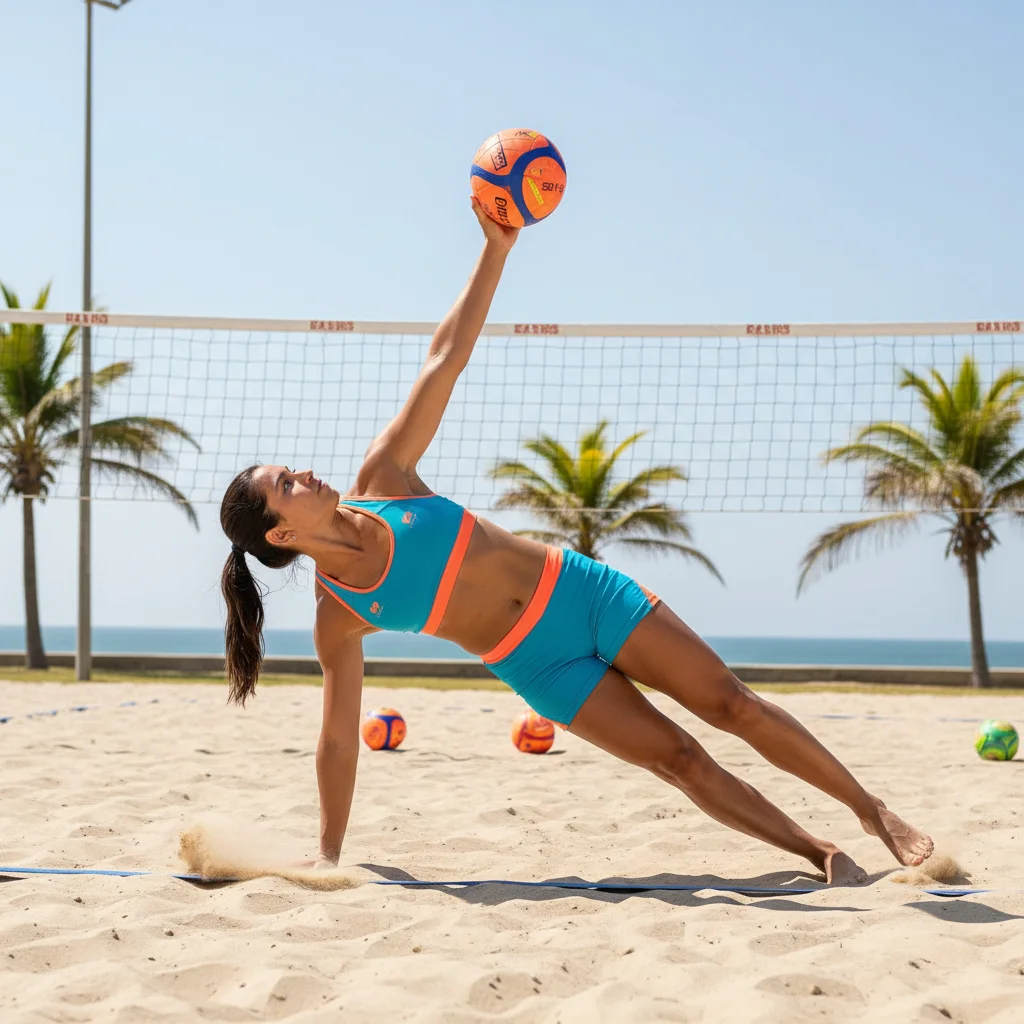
- Side Plank:
- How: On one forearm, body in a straight line, hips stacked.
- Focus: Oblique engagement, preventing hip drop.
- Footvolley Benefit: Strengthens obliques for lateral movements and rotational power.
- Bird-Dog:
- How: On hands and knees, extend opposite arm and leg simultaneously, keeping core stable.
- Focus: Spinal neutrality, controlled movement without rocking.
- Footvolley Benefit: Improves coordination and stability, vital for dynamic balance.
- Dead Bug:
- How: Lie on back, knees bent 90 degrees, arms extended upwards. Lower opposite arm and leg towards the floor, keeping lower back pressed into the ground.
- Focus: Maintaining lumbar stability, controlled limb movement.
- Footvolley Benefit: Enhances anti-extension core strength, protecting the lower back during powerful kicks.
- Glute Bridge:
- How: Lie on back, knees bent, feet flat. Lift hips off the ground until body forms a straight line from shoulders to knees.
- Focus: Glute activation, not lower back hyperextension.
- Footvolley Benefit: Strengthens glutes and lower back, supporting core and power generation.
Week 3-4: Progressive Stability & Introduction to Movement
Workout Structure: Perform 3-4 sets of 12-18 repetitions for dynamic exercises, and 3-4 sets of 45-60 second holds for static exercises. Rest 45-75 seconds between sets.
- Weighted Plank (or longer holds):
- How: Place a light weight plate on your lower back during a standard plank, or increase hold time.
- Focus: Increased challenge to core stabilizers.
- Footvolley Benefit: Builds greater static core endurance for sustained effort.
- Side Plank with Leg Lift:
- How: From a side plank, lift the top leg upwards.
- Focus: Increased oblique and hip abductor engagement.
- Footvolley Benefit: Improves lateral stability and hip strength, critical for quick directional changes.
- Hanging Knee Raises (or Captain’s Chair):
- How: Hang from a pull-up bar (or use a Captain’s Chair), lift knees towards chest.
- Focus: Lower abdominal strength, controlled movement.
- Footvolley Benefit: Develops strength for explosive jumps and agile footwork.
- Russian Twists (controlled):
- How: Sit on the floor, knees bent, feet off the ground (optional). Lean back slightly, twist torso side to side, touching hands to the floor.
- Focus: Controlled rotation, engaging obliques, not just swinging arms.
- Footvolley Benefit: Enhances rotational power for serves, spikes, and passes.
- Reverse Crunches:
- How: Lie on back, hands under glutes. Bring knees towards chest, lifting hips slightly off the floor.
- Focus: Lower abdominal engagement, controlled lowering.
- Footvolley Benefit: Targets lower abs, crucial for leg control and dynamic movements.
Phase 2: Power & Dynamic Stability (Weeks 5-8)
This phase introduces more dynamic and explosive exercises, mimicking the movements found in footvolley. We’ll focus on transferring the foundational strength into functional power.
Week 5-6: Dynamic Core & Rotational Power
Workout Structure: Perform 3-4 sets of 10-15 repetitions per side for rotational exercises, and 3-4 sets of 15-20 repetitions for dynamic exercises. Rest 45-60 seconds between sets.
- Medicine Ball Slams:
- How: Stand with feet shoulder-width apart, hold medicine ball overhead. Slam it down forcefully between your feet, engaging core.
- Focus: Explosive power from the core, full body engagement.
- Footvolley Benefit: Develops explosive power for spiking and serving.
- Medicine Ball Twists (Standing or Kneeling):
- How: Hold medicine ball at chest height. Twist powerfully from side to side, engaging obliques.
- Focus: Rotational power, controlled acceleration and deceleration.
- Footvolley Benefit: Mimics rotational movements in footvolley, improving shot power and accuracy.
- Renegade Rows:
- How: In a high plank position with dumbbells, row one dumbbell towards your chest, keeping hips stable.
- Focus: Anti-rotation, maintaining a stable plank while moving.
- Footvolley Benefit: Builds anti-rotational strength, crucial for stability during single-arm movements and quick shifts.
- Bicycle Crunches:
- How: Lie on back, hands behind head. Bring opposite elbow to knee, extending other leg.
- Focus: Continuous, controlled rotation, engaging obliques.
- Footvolley Benefit: Dynamic oblique strength for rapid twisting and turning.
- Cable Wood Chops (or Resistance Band):
- How: Stand sideways to a cable machine (or anchor a resistance band). Grab handle, pull diagonally across your body from high to low, twisting at the core.
- Focus: Full body rotational power, controlled movement.
- Footvolley Benefit: Directly translates to powerful kicks and serves.
Week 7-8: Advanced Footvolley Core Strength & Integration
Workout Structure: Perform 3-5 sets of 8-12 repetitions per side for complex movements, and 3-5 sets of 45-60 seconds for advanced static holds. Focus on quality over quantity. Rest 60 seconds between sets.
- Ab Roll-out (Ab Wheel or Barbell):
- How: Kneel, hold ab wheel/barbell. Roll forward, extending body, keeping core tight. Roll back.
- Focus: Intense anti-extension strength, controlled eccentric movement.
- Footvolley Benefit: Develops incredible core stability and strength to absorb impact and generate power.
- Dragon Flags (Modified if needed):
- How: Lie on bench, grab overhead. Lift entire body (legs and torso) off the bench, keeping it straight. Slowly lower.
- Focus: Advanced full core strength, especially lower abs and hip flexors.
- Footvolley Benefit: Unlocks extreme core control for acrobatic moves and powerful leg swings.
- Standing Band Rotations with Footvolley Ball:
- How: Anchor a resistance band. Stand perpendicular, hold band with both hands, mimicking a footvolley pass or kick motion.
- Focus: Sport-specific rotational power and control.
- Footvolley Benefit: Integrates core strength directly into footvolley movements, enhancing power and accuracy.
- L-Sits (or Tuck L-Sits):
- How: Sit on floor, hands by hips. Lift body off the ground, keeping legs straight (or tucked).
- Focus: Extreme isometric core and hip flexor strength.
- Footvolley Benefit: Develops immense static core strength for holding challenging positions and quick transitions.
- Weighted Carries (Farmer’s Carry, Suitcase Carry):
- How: Hold heavy dumbbells/kettlebells. Walk for a set distance. Farmer’s: one in each hand. Suitcase: one in one hand.
- Focus: Anti-lateral flexion and anti-rotation, building real-world core stability.
- Footvolley Benefit: Enhances overall core endurance and stability, crucial for sustained performance on the sand.
Integrating Core Training into Your Footvolley Routine
While this 8-week program provides dedicated core workouts, it’s essential to integrate core awareness into your regular footvolley practice. Think about engaging your core during:
- Passing: Brace your core for stable, accurate passes.
- Serving: Use core rotation to generate maximum power.
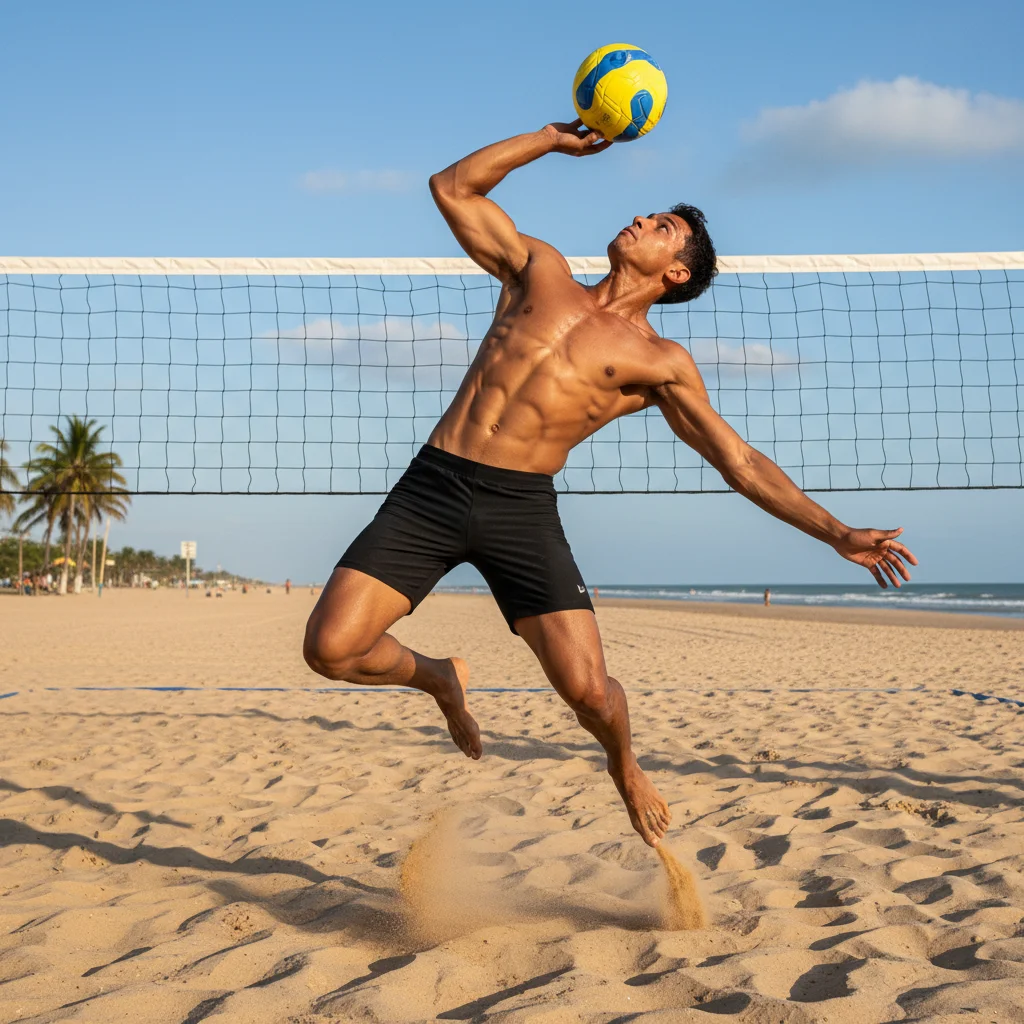
- Spiking/Heading: Engage your core mid-air for stability and a powerful strike.
- Defensive Saves: Rely on core strength for quick dives and recoveries.
- Landing: Absorb impact efficiently with a strong, engaged core.
Nutrition and Recovery: The Unsung Heroes of Footvolley Core Strength
Training alone isn’t enough. To truly maximize your footvolley core strength, you must pay attention to what you put into your body and how you recover.
Fueling Your Core
- Protein: Essential for muscle repair and growth. Include lean meats, fish, eggs, dairy, and plant-based sources like legumes and tofu.
- Complex Carbohydrates: Provide sustained energy for intense workouts. Opt for whole grains, fruits, and vegetables.
- Healthy Fats: Crucial for hormone production and overall health. Avocados, nuts, seeds, and olive oil are great sources.
- Hydration: Drink plenty of water throughout the day, especially before, during, and after training.
Optimizing Recovery
- Sleep: Aim for 7-9 hours of quality sleep per night. This is when your muscles repair and grow.
- Active Recovery: Light activities like walking, swimming, or gentle stretching on rest days can aid blood flow and reduce soreness.
- Stretching and Mobility: Regular stretching improves flexibility and range of motion, preventing stiffness and enhancing performance.
- Listen to Your Body: Don’t push through severe pain. Rest when needed to prevent overtraining and injury.
Beyond the 8 Weeks: Maintaining Your Footvolley Core Strength
Once you’ve completed this 8-week program, your journey doesn’t end. Core strength is a continuous pursuit. Here’s how to maintain and further develop your gains:
- Vary Your Workouts: Keep your core challenged by introducing new exercises, using different equipment (e.g., TRX, stability balls), or changing rep schemes.
- Periodization: Incorporate periods of higher intensity followed by periods of lower intensity to allow for recovery and adaptation.
- Sport-Specific Drills: Continue to integrate core engagement into your footvolley practice. Perform drills that specifically challenge your core in a footvolley context.
- Consistency: Even if you reduce the frequency of dedicated core workouts, aim for at least 2-3 sessions per week to maintain your strength.
- Seek Expert Advice: Consider working with a sports physiotherapist or strength and conditioning coach for personalized guidance, especially if you have specific weaknesses or injury concerns.
Common Mistakes to Avoid
- Rushing Through Exercises: Sacrificing form for speed or more reps is counterproductive and increases injury risk.
- Holding Your Breath: Proper breathing is crucial for core engagement and stability.
- Ignoring Weaknesses: Don’t just stick to exercises you’re good at. Address your weaker core areas.
- Over-Reliance on Crunches: While crunches have their place, they only target a small part of the core. A holistic approach is vital.
- Neglecting Progressive Overload: Your muscles need to be continually challenged to grow stronger. Gradually increase intensity, duration, or resistance.
Conclusion: A Strong Core, A Stronger Footvolley Game
Developing exceptional footvolley core strength is not merely an optional add-on to your training; it is the bedrock upon which all other athletic abilities in footvolley are built. This 8-week program provides a structured, progressive path to unlock your full potential on the sand court. By dedicating yourself to these drills, prioritizing proper form, and supporting your efforts with sound nutrition and recovery, you will experience a profound transformation in your stability, power, agility, and overall resilience.
Embrace the challenge, commit to the process, and watch as your footvolley core strength elevates your game to new heights. The sand awaits your powerful, precise, and injury-resilient performance. Get ready to dominate with a core that’s as strong as your passion for the game!