Master Footvolley: Targeted Drills to Conquer Weaknesses by Spring
Anúncios
Master Footvolley: Targeted Drills to Conquer Weaknesses by Spring
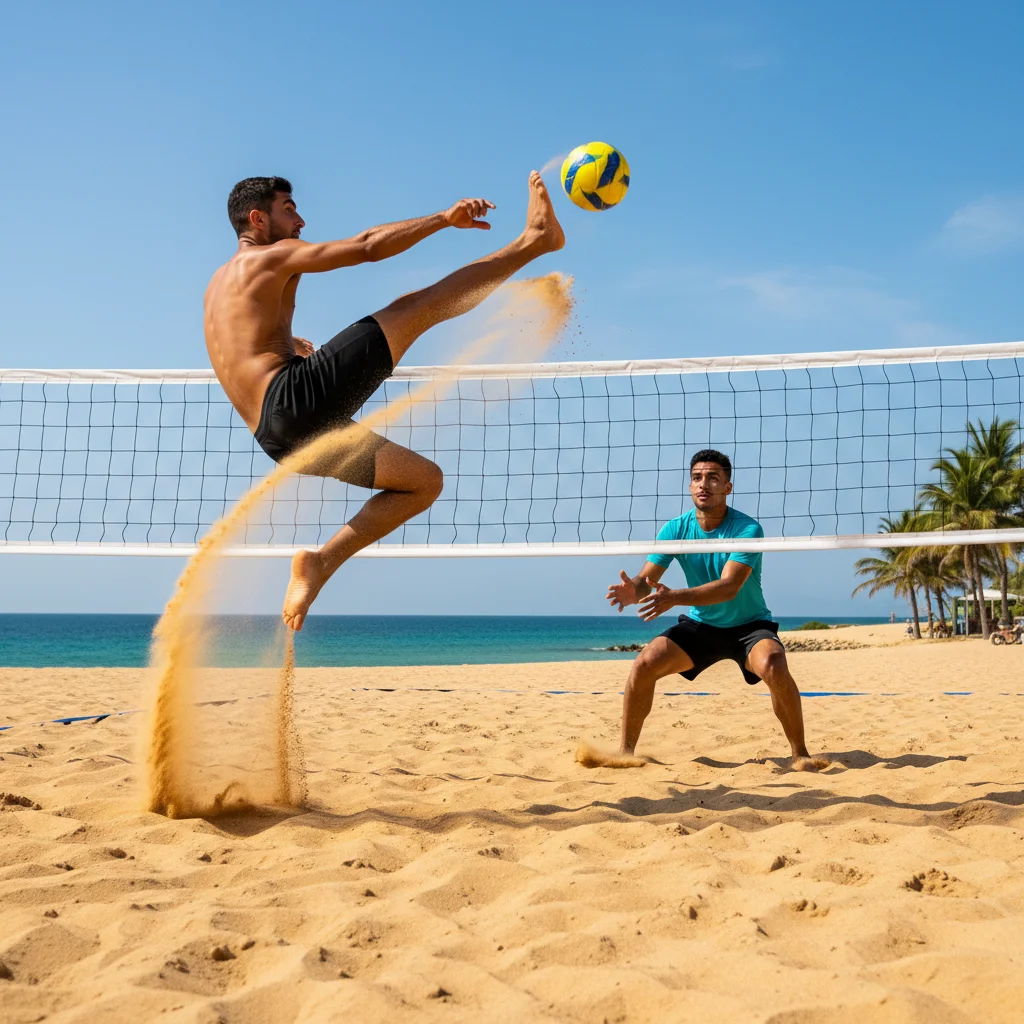
As the chill of winter begins to recede and the promise of warmer days beckons, footvolley enthusiasts worldwide turn their thoughts to the upcoming season. Spring is not just a time for blooming flowers; it’s a critical period for athletes to refine their skills, iron out deficiencies, and emerge stronger than ever. For footvolley players, this means a focused approach to training, particularly in addressing those persistent weaknesses that have held them back. This article will delve into targeted footvolley drills weaknesses, specifically focusing on two common areas: serve reception and spiking power. By dedicating your off-season and early spring to these specific improvements, you’ll be well on your way to dominating the sand.
Why Targeted Training is Crucial for Footvolley Success
In any sport, identifying and systematically improving weaknesses is the fastest route to overall performance enhancement. Footvolley is no exception. A weakness in one area can cascade, affecting other aspects of your game. For instance, a poor serve reception can negate the opportunity for a powerful spike, and a lack of spiking power can make even a perfect setup less effective. By focusing on specific footvolley drills weaknesses, you’re not just patching up a hole; you’re strengthening the entire structure of your game.
Anúncios
The beauty of targeted training lies in its efficiency. Instead of broadly practicing everything, you allocate your valuable training time to areas that will yield the most significant return. This approach is particularly effective as you prepare for the spring season, allowing you to enter competitions with newfound confidence and a more robust skill set.
Weakness 1: Mastering Serve Reception – The Foundation of Attack
Serve reception is arguably the most critical skill in footvolley. A good reception sets up your partner for a perfect attack, dictating the tempo of the rally and putting pressure on your opponents. Conversely, a poor reception often leads to a defensive play, a lost point, or a scramble to stay in the rally. Many players struggle with consistency, accuracy, and control when receiving serves, especially powerful or tricky ones. Let’s explore why this is a common footvolley drills weaknesses and how to overcome it.
Understanding the Challenges of Serve Reception
Several factors contribute to difficulties in serve reception:
Anúncios
- Ball Speed and Spin: Modern footvolley serves can be incredibly fast and carry significant spin, making them difficult to judge and control.
- Footwork and Positioning: Incorrect footwork or being out of position can lead to awkward contact and a loss of control.
- Body Control: Maintaining balance and using the correct body part (chest, thigh, foot) with precision is paramount.
- Anticipation: Reading the server’s body language and toss to anticipate the serve’s trajectory and speed is a skill that develops with practice.
- Pressure: The psychological pressure of receiving a serve in a match can lead to rushed movements and errors.
Targeted Drills for Improved Serve Reception
To address these challenges, integrate the following footvolley drills weaknesses into your routine:
Drill 1: Controlled Serve Reception with Target
Objective: Improve accuracy and consistency in receiving serves to a specific target area.
Setup: One player serves from the baseline. The receiver stands in the receiving zone. Place a small target (e.g., a cone, a small towel) about 2-3 meters from the net, where a setter would ideally be. If no setter is available, the target represents the ideal pass location for your partner.
Execution: The server delivers various types of serves (flat, spin, short, deep). The receiver’s goal is to control the ball with their chest, thigh, or foot and direct it to land on or very close to the target. Emphasize soft contact, absorbing the ball’s pace, and maintaining control.
Progression:
- Start with predictable serves, then gradually introduce more challenging ones.
- Increase the distance of the serve.
- Add movement: the receiver starts slightly out of position and must quickly adjust.
- Introduce a second receiver to practice communication and court coverage.
Key Focus Points: Proper footwork to get behind the ball, soft body contact to cushion the impact, directing the ball with minimal secondary movement, maintaining eye contact with the ball throughout the reception.
Drill 2: Rapid-Fire Serve Reception
Objective: Enhance quick reactions, agility, and consistency under pressure.
Setup: One player stands at the net with a bucket of balls. The receiver is in the receiving zone. Another player or coach can stand near the net to catch balls passed accurately.
Execution: The player at the net rapidly tosses or lightly serves balls to different areas of the receiving zone. The receiver must quickly move, receive each ball, and direct it back towards the net player or a designated area. The emphasis is on continuous movement and maintaining control despite the speed.
Progression:
- Vary the speed and trajectory of the tosses/serves.
- Require the receiver to pass to a specific target after each reception.
- Introduce a “live” server for a few repetitions to simulate match intensity.
Key Focus Points: Quick first step, efficient footwork, maintaining a ready stance, consistent soft touch, and mental focus through rapid repetitions.
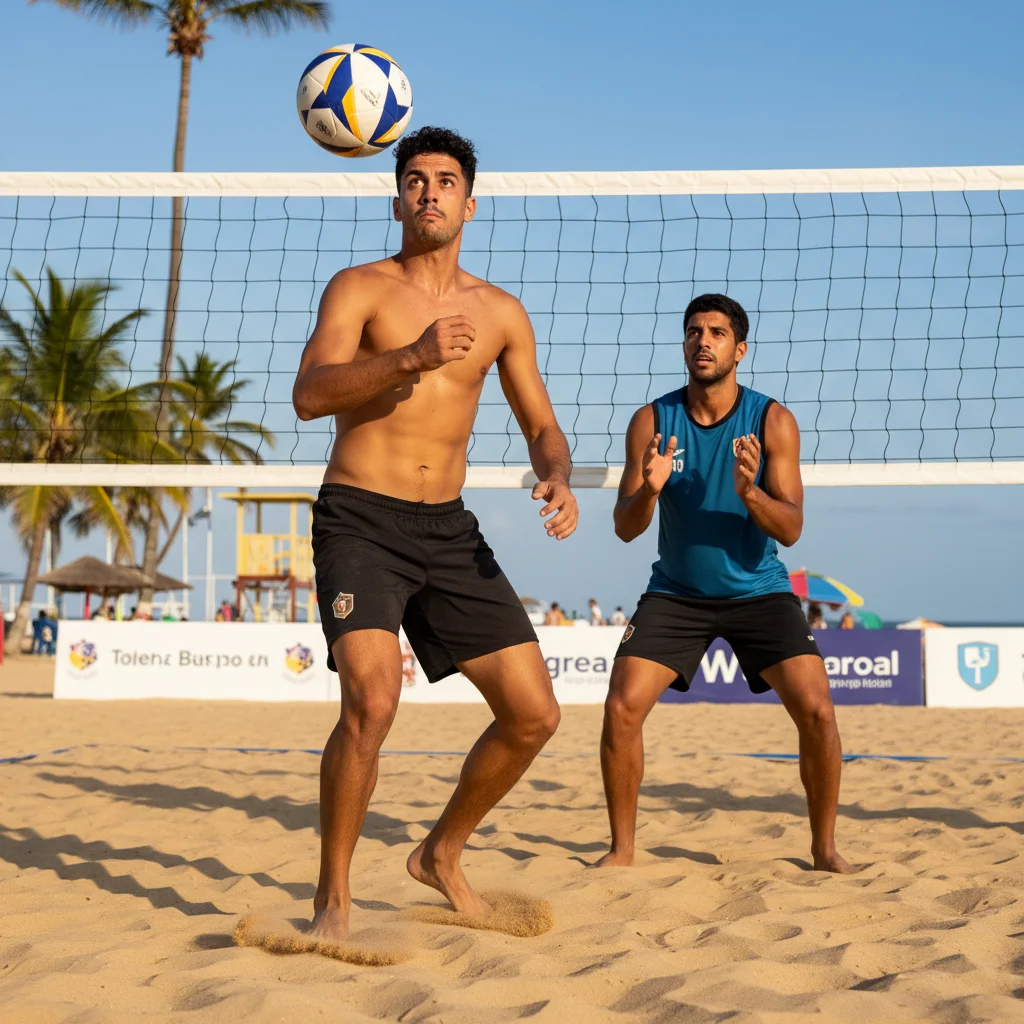
Drill 3: Serve Reception with Partner Set-Up
Objective: Integrate reception into the full offensive sequence.
Setup: Two players (receiver and attacker) on one side of the court. One server on the opposite side.
Execution: The server delivers a serve. The receiver aims to pass the ball accurately to their partner (the attacker), who then practices setting up for a spike. The focus is on the quality of the pass from the receiver, ensuring it’s easy for the partner to handle and set up the attack. The attacker can then practice their set, and optionally, a light spike.
Progression:
- Increase the intensity and variety of serves.
- Require the attacker to perform a full spike after the set.
- Introduce a defender on the opposite side to simulate blocking.
Key Focus Points: Communication between receiver and attacker, precise passing to the ideal setting position, attacker’s readiness to set, and smooth transition from reception to attack.
Weakness 2: Unleashing Spiking Power – The Game-Ending Weapon
A powerful and accurate spike is footvolley’s ultimate weapon. It’s the point-scoring shot that can turn the tide of a match. However, many players struggle to generate sufficient power, often relying on placement over sheer force. This can make their attacks predictable and easier for opponents to defend. Developing explosive spiking power is a common area where players seek to improve, and addressing this footvolley drills weaknesses can dramatically impact your game.
Dissecting the Elements of a Powerful Spike
Spiking power isn’t just about raw strength; it’s a complex interplay of several biomechanical factors:
- Approach and Jump: A dynamic approach and a high, controlled jump are foundational.
- Body Rotation: Generating rotational force through the core and hips is crucial for power transfer.
- Leg Drive: Explosive leg power propels the body upwards and contributes significantly to the force.
- Timing: Contacting the ball at the peak of your jump and at the optimal point in its trajectory.
- Contact Point: Hitting the ball cleanly and with the correct part of the foot/head for maximum force and direction.
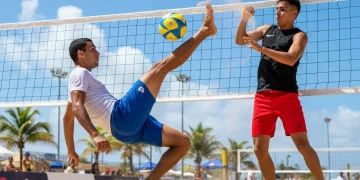
- Arm/Leg Swing: A full, uninhibited swing of the leg or body (for bicycle kicks) through the ball.
Targeted Drills for Explosive Spiking Power
To cultivate a more powerful spike, incorporate these footvolley drills weaknesses into your regimen:
Drill 1: Vertical Jump and Ball Contact Practice
Objective: Improve vertical leap and consistent high contact with the ball.
Setup: One player stands at the net with a ball, or a partner tosses the ball consistently. The spiker stands a few steps back from the net.
Execution: The spiker takes a short approach (1-2 steps) and jumps as high as possible, aiming to contact the ball at the absolute peak of their jump. Focus on hitting the ball downwards and cleanly. Initially, don’t worry about power; prioritize height and clean contact. The server can hold the ball in place or toss it gently for consistent contact.
Progression:
- Gradually increase the height of the ball being presented.
- Introduce a slightly moving ball to simulate a set.
- Add resistance bands for jump training (supervised).
Key Focus Points: Explosive jump, reaching maximum height, precise timing of contact, and a controlled descent.
Drill 2: Rotational Power Drill (Twist and Spike)
Objective: Develop core and hip rotation for increased spiking force.
Setup: One player sets the ball consistently from the backcourt or net. The spiker is in the attacking position.
Execution: The spiker focuses on generating power primarily from their core and hips. As they jump and prepare to strike, they initiate a powerful rotation, twisting their torso and hips into the shot. Imagine winding up and then unleashing that rotational energy into the ball. For a bicycle kick, this means a strong core twist to get the leg over and through the ball. For a head spike, it’s a powerful neck and upper back snap with core engagement.
Progression:
- Start with stationary sets, then move to dynamic sets.
- Use a medicine ball for rotational throws to build core strength off-court.
- Focus on different types of spikes (bicycle, head, chest) applying the rotational principle.
Key Focus Points: Engaging the core, powerful hip rotation, full follow-through, and feeling the transfer of energy from the lower body through the core to the point of contact.
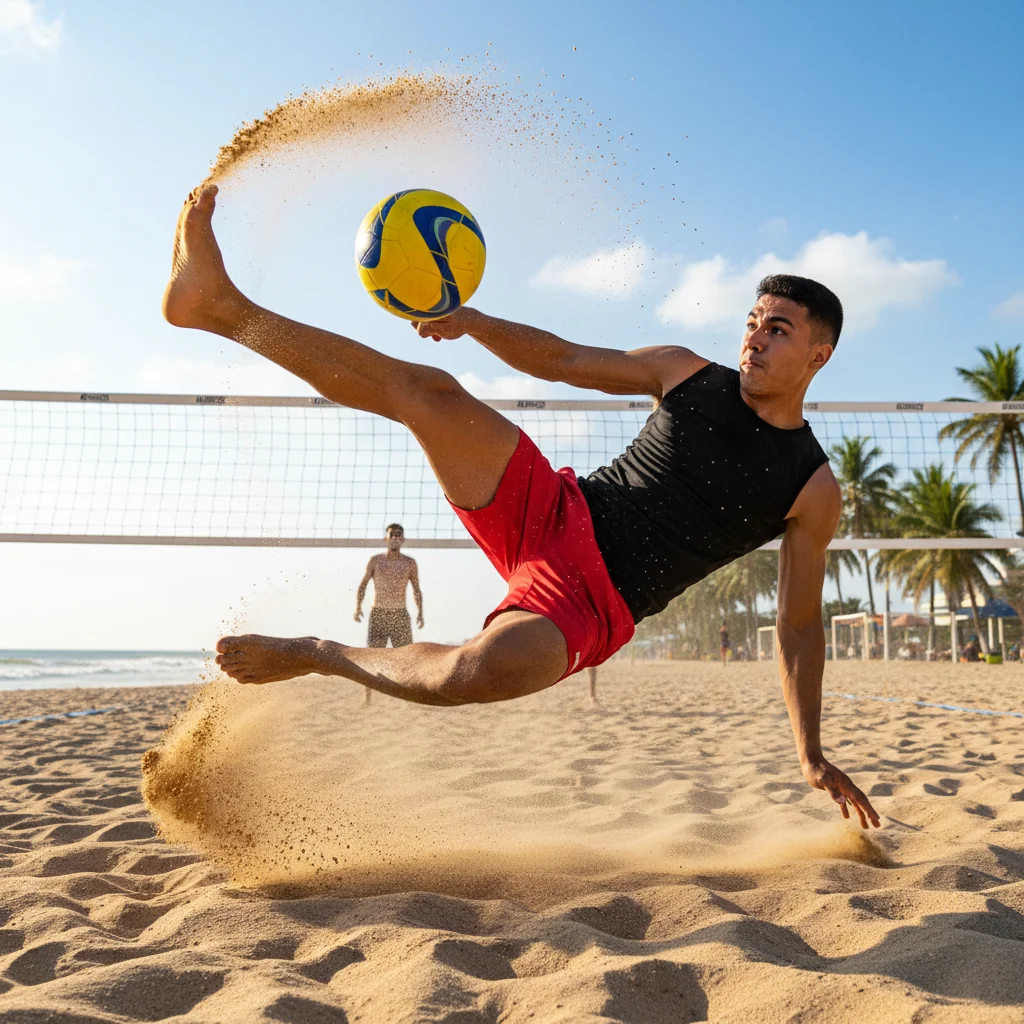
Drill 3: Full Approach and Spike with Target
Objective: Combine approach, jump, and power into an accurate spike.
Setup: A setter provides consistent sets from the net. The spiker starts from their attacking position. Place a target (e.g., a hoop, a designated area) on the opponent’s side of the court.
Execution: The spiker executes their full approach, times their jump to the set, and unleashes a powerful spike, aiming for the target. Encourage them to hit through the ball with maximum force while maintaining accuracy. Focus on a full, aggressive swing or kick.
Progression:
- Vary the target location (deep corner, short angle).
- Introduce a simulated block to force the spiker to hit around or over.
- Increase the number of consecutive powerful spikes to build endurance.
Key Focus Points: Coordinated approach and jump, powerful and controlled contact, aiming for specific targets, and consistent follow-through.
Integrating Strength and Conditioning for Optimal Results
While on-court footvolley drills weaknesses are essential, complementing them with off-court strength and conditioning is paramount for significant improvement in serve reception and spiking power. These two areas demand explosive strength, agility, and core stability.
For Serve Reception: Agility and Core Stability
- Ladder Drills: Improve quick footwork and coordination for rapid adjustments to serves.
- Plyometrics: Box jumps and broad jumps enhance explosive power for quick movements.
- Core Work: Planks, Russian twists, and medicine ball twists build the stability needed for controlled body contact.
- Reaction Drills: Partner-led ball drops or visual cues to improve reaction time.
For Spiking Power: Explosive Strength and Rotational Power
- Squats and Lunges: Build powerful legs for higher jumps and stronger drives.
- Deadlifts: Develop overall posterior chain strength, critical for explosive movements.
- Medicine Ball Slams and Throws: Mimic the rotational force of a spike and build core power.
- Plyometric Jumps: Depth jumps and jump squats further enhance vertical leap.
- Resistance Band Work: Focus on hip flexor and glute activation for a more dynamic approach and powerful leg swings.
Remember, proper form is crucial in all strength and conditioning exercises to prevent injuries. Consider consulting a fitness professional for a personalized program.
Mental Preparation and Visualization
Physical drills are only one part of the equation. Mental preparation plays a significant role in overcoming footvolley drills weaknesses. Visualization can be a powerful tool.
- Visualize Perfect Reception: Before training or a match, close your eyes and vividly imagine yourself perfectly receiving a challenging serve, directing it with precision to your partner.
- Envision Powerful Spikes: Picture yourself executing a flawless approach, launching into the air, and unleashing an unstoppable spike that lands exactly where you intend.
- Positive Self-Talk: Replace negative thoughts about your weaknesses with positive affirmations. Instead of thinking, “I always mess up serve reception,” tell yourself, “I am improving my serve reception with every drill.”
Confidence built through mental rehearsal translates directly to on-court performance, especially in high-pressure situations.
Tracking Progress and Staying Consistent
To effectively address your footvolley drills weaknesses, it’s vital to track your progress and maintain consistency. Without measurement, it’s hard to know if your efforts are paying off.
- Video Analysis: Record your training sessions. Watching yourself allows you to objectively identify errors and see improvements.
- Drill Metrics: For serve reception, count how many passes land within your target area out of a certain number of serves. For spiking, track the accuracy and perceived power of your spikes.
- Training Log: Keep a journal of your workouts, noting the drills performed, repetitions, sets, and any insights or challenges.
- Regular Assessment: Periodically test yourself against a baseline to see how much you’ve improved. This could be a friendly match or specific challenge drills.
Consistency is key. Short, frequent training sessions are often more effective than long, infrequent ones. Aim for at least 3-4 dedicated training sessions per week focusing on these specific areas.
The Importance of a Training Partner (or Coach)
While some drills can be done solo, having a dedicated training partner or, ideally, a coach, can significantly accelerate your progress in addressing footvolley drills weaknesses.
- Feedback: A partner can offer immediate, objective feedback on your technique, footwork, and timing that you might not notice yourself.
- Motivation: Training with someone else can boost motivation and make sessions more enjoyable.
- Realistic Simulation: Many drills, especially those involving serving and setting, require another person to simulate game-like scenarios.
- Varying Serves/Sets: A partner can provide a variety of serves and sets, which is crucial for developing adaptability.
If a coach is available, their expert eye can pinpoint subtle technical flaws and provide tailored corrections that can make a huge difference.
Preventing Overtraining and Injuries
As you ramp up your training to fix footvolley drills weaknesses, it’s crucial to listen to your body and prevent overtraining or injury.
- Warm-up Properly: Always start with a dynamic warm-up to prepare your muscles and joints for activity.
- Cool-down and Stretch: Finish with a cool-down and static stretching to improve flexibility and aid recovery.
- Nutrition and Hydration: Fuel your body with a balanced diet and stay well-hydrated, especially during intense training.
- Rest and Recovery: Allow adequate rest days for your muscles to repair and grow. Overtraining can lead to plateaus and injuries.
- Listen to Your Body: If you feel pain, stop. Pushing through pain can turn a minor issue into a major injury.
A smart training approach prioritizes long-term health and sustainable improvement over short-term gains at the risk of injury.
Conclusion: Embrace the Challenge, Dominate the Spring
The journey to becoming a formidable footvolley player is continuous, marked by persistent effort and strategic improvement. By systematically tackling your footvolley drills weaknesses in serve reception and spiking power, you are not just improving isolated skills; you are transforming your entire game. The targeted drills outlined in this article, combined with dedicated strength and conditioning, mental preparation, and consistent effort, will equip you with the tools to elevate your performance significantly.
Imagine stepping onto the sand this spring, confident in your ability to receive any serve with precision, setting your partner up for an unassailable attack, and then unleashing powerful, game-ending spikes of your own. This vision is entirely achievable with focused training. Don’t let another season pass with the same old frustrations. Embrace the challenge, commit to these footvolley drills, and prepare to dominate the court. Your strongest footvolley season yet awaits!