Master Footvolley Passing: Drills to Elevate Control & Precision
Anúncios
Master Footvolley Passing: Drills to Elevate Control & Precision
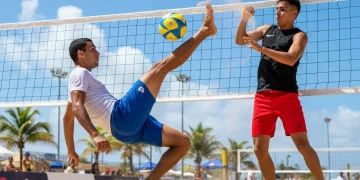
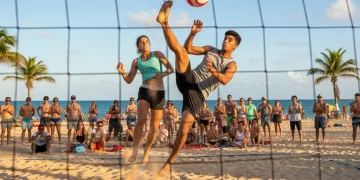
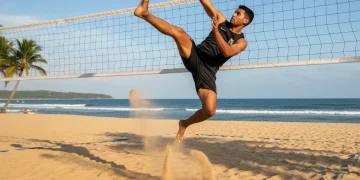
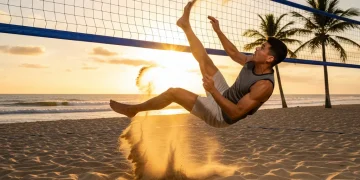
Footvolley is a captivating sport that combines the agility of volleyball with the ball control of football. Originating in Brazil, it has rapidly gained popularity worldwide, attracting athletes who crave a challenging yet exhilarating beach experience. At its core, footvolley demands exceptional skill, and arguably the most critical component of a successful game is precise passing. Without consistent and accurate footvolley passing drills, even the most powerful spikes and acrobatic saves become ineffective. This comprehensive guide is designed to transform your passing game, providing you with the knowledge, techniques, and specific drills to elevate your control and precision by a significant margin.
Imagine a game where every pass lands exactly where your teammate expects it, setting up the perfect attack, or effortlessly recovering a difficult serve. This level of mastery is not achieved overnight, but through dedicated practice and a deep understanding of the mechanics involved. We will delve into the fundamental principles of passing, common pitfalls to avoid, and a structured approach to training that will undoubtedly improve your performance on the sand.
Anúncios
The Unseen Importance of Footvolley Passing Drills
Before we dive into the ‘how,’ let’s understand the ‘why.’ Why is passing so critical in footvolley? A strong pass dictates the entire flow of the game. It allows your team to:
- Maintain Possession: A good pass keeps the ball in play, preventing unforced errors and giving your team more opportunities to score.
- Set Up Attacks: A precise pass to the setter (or the attacking player) is the foundation of any effective offensive strategy. It allows for a well-timed and powerful spike.
- Control the Tempo: With excellent passing, your team can dictate the pace of the game, slowing it down to regroup or speeding it up to catch opponents off guard.
- Minimize Opponent Opportunities: Poor passes often lead to easy points for the opposition. By improving your passing, you reduce these opportunities significantly.
- Build Team Chemistry: Trust in your teammate’s passing ability is crucial. Consistent passes foster better communication and a more cohesive team dynamic.
Many players focus heavily on spiking and defense, often neglecting the foundational skill of passing. However, without a solid passing game, even the most spectacular spikes are rare occurrences. Investing time in footvolley passing drills is an investment in your entire game.
Anúncios
Fundamental Footvolley Passing Techniques
Mastering footvolley passing requires proficiency in several key techniques. Each has its specific use case and demands different footwork and body positioning. Let’s break them down:
1. The Instep Pass (Chapa)
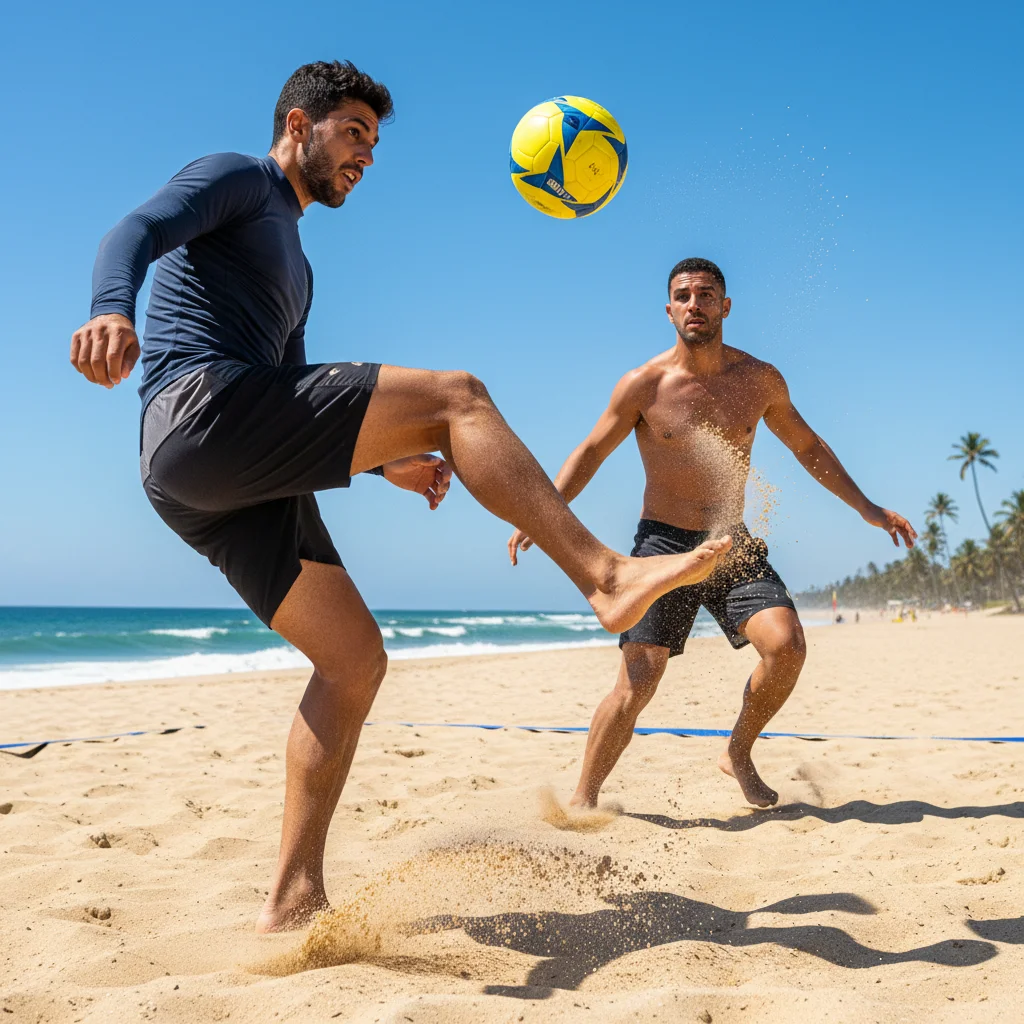
The instep pass, or ‘chapa’ in Portuguese, is the most common and versatile pass in footvolley. It offers excellent control and accuracy, making it ideal for setting up attacks or receiving serves.
Technique Breakdown:
- Approach: Move towards the ball, positioning your body so that the ball is slightly to the side of your dominant foot.
- Foot Position: Turn your ankle outwards, locking it firm. The contact point on your foot should be the hard, flat part of your instep (the top inside part of your foot, where the laces are).
- Body Position: Keep your knees bent and your body low. Your non-kicking foot should be planted firmly beside the ball, pointing towards your target.
- Contact: Strike the ball with the instep, following through in the direction of your target. Use your arms for balance.
- Follow Through: Ensure a smooth, controlled follow-through. The power comes from your leg swing, not just your foot.
When to Use:
The instep pass is your go-to for most situations: receiving serves, setting up your partner, or sending the ball over the net with precision.
2. The Thigh Pass (Coxa)
The thigh pass is often used for higher balls that are difficult to control with the instep, or when receiving a powerful spike. It provides a larger surface area for contact, offering good control for deflecting the ball upwards.
Technique Breakdown:
- Approach: Get under the ball quickly, positioning your body directly beneath its trajectory.
- Body Position: Bend your knees significantly, almost into a squat. Your torso should be upright.
- Contact: Lift your thigh, keeping it relatively flat and parallel to the ground. The ball should make contact with the middle to lower part of your thigh.
- Absorb Impact: Unlike the instep pass where you strike through, the thigh pass often involves absorbing the impact to cushion the ball upwards, controlling its trajectory.
- Follow Through: A slight upward motion of the thigh helps guide the ball.
When to Use:
Excellent for high balls, powerful attacks, or when you need to absorb pace and direct the ball upwards for your partner to set.
3. The Chest Pass (Peito)
The chest pass is a less common but valuable technique for very high balls, particularly those that are directly over your head. It requires good body control and a soft touch.
Technique Breakdown:
- Approach: Position yourself directly under the ball.
- Body Position: Arch your back slightly, pushing your chest forward. Your arms should be out for balance.
- Contact: Allow the ball to make contact with the upper part of your chest, near the collarbone.
- Absorb Impact: Similar to the thigh pass, the key is to absorb the impact by relaxing your chest slightly at the moment of contact, guiding the ball upwards.
When to Use:
For high, arching balls that are otherwise out of reach for foot or thigh passes. It’s a ‘last resort’ control mechanism.
Common Passing Mistakes to Avoid
Even experienced players can fall into bad habits. Being aware of these common mistakes is the first step to correcting them:
- Lack of Ankle Lock: A loose ankle leads to inconsistent contact and unpredictable ball trajectory. Keep it firm!
- Improper Body Positioning: Not getting under or behind the ball correctly makes accurate passing nearly impossible. Always prioritize good positioning.
- Striking Too Hard/Soft: Finding the right power balance is crucial. Too hard, and the ball goes out; too soft, and it doesn’t reach the target.
- Looking at the Ball Instead of the Target: After initial contact, your eyes should immediately shift to your target to anticipate the next play.
- Lack of Follow Through: A truncated follow-through limits control and power. Complete the motion.
- Standing Upright: A high center of gravity reduces stability and control. Stay low, knees bent.
- Poor Communication: Even the best pass is wasted if your partner isn’t ready or doesn’t know where it’s going.
Essential Footvolley Passing Drills for All Levels
Now, let’s get to the practical application. These footvolley passing drills are designed to systematically improve your control, accuracy, and consistency. Remember to start slow, focus on technique, and gradually increase intensity.
Beginner Drills: Building the Foundation
Drill 1: Wall Passing (Chapa)
Objective: Develop consistent instep contact and control.
Setup: A wall, a footvolley ball.
Execution:
- Stand 3-5 feet from a wall.
- Use your instep to pass the ball against the wall, aiming for a consistent spot.
- Receive the rebound and pass it back.
- Focus on locking your ankle, keeping your body low, and a smooth follow-through.
- Alternate between your dominant and non-dominant foot.
Progression: Increase distance from the wall, aim for smaller targets, try to keep the ball in the air for multiple touches.
Drill 2: Partner Instep Pass (Stationary)
Objective: Improve accuracy and communication with a partner.
Setup: Two players, one ball, 5-10 feet apart.
Execution:
- Players stand facing each other.
- One player passes the ball to the other using an instep pass.
- The receiving player controls the ball and passes it back.
- Focus on making eye contact and calling for the ball.
- Aim for your partner’s chest/shoulder height.
Progression: Increase distance, vary the height of the passes, introduce movement (e.g., side-stepping after each pass).
Drill 3: Thigh Control & Pop
Objective: Master thigh control for high balls.
Setup: Individual, one ball.
Execution:
- Toss the ball high to yourself.
- Get under the ball and use your thigh to gently pop it straight up in the air.
- Catch the ball or let it bounce and repeat.
- Focus on absorbing the impact and guiding the ball vertically.
Progression: Try to pop the ball to a specific height, then combine with an instep pass after the thigh control.
Intermediate Drills: Adding Movement and Complexity
Drill 4: Triangle Passing
Objective: Improve passing accuracy and footwork in a dynamic setting.
Setup: Three players, one ball, arranged in a triangle (5-7 feet sides).
Execution:
- Players pass the ball clockwise or counter-clockwise using instep passes.
- Each player receives the ball, controls it, and passes it to the next player in the sequence.
- Focus on quick adjustments, precise passes, and fluid movement.
Progression: Increase the speed of passes, introduce two balls, or have players rotate positions after a set number of passes.
Drill 5: Serve Receive Simulation
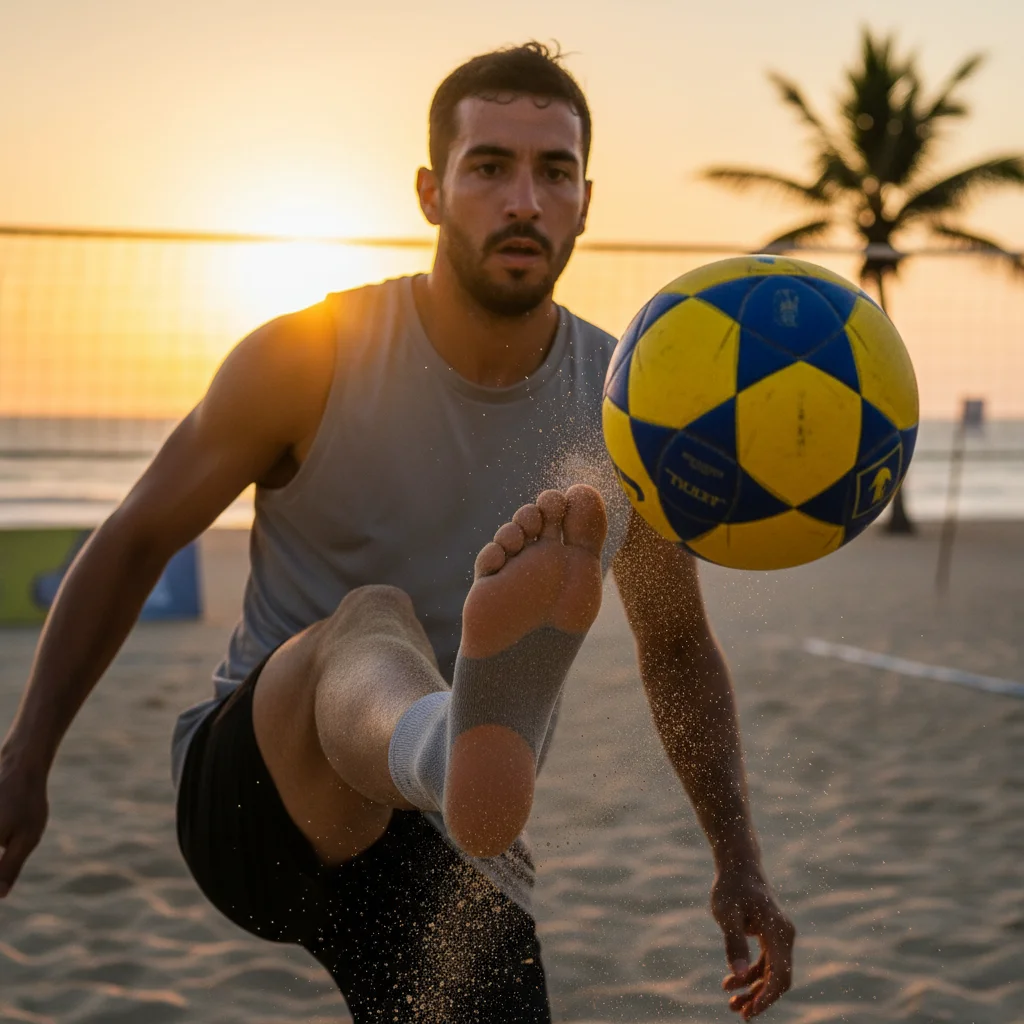
Objective: Practice receiving serves and making accurate first touches.
Setup: Two players (one server, one receiver), one ball, a net or imaginary net.
Execution:
- The server stands at the ‘service line’ and serves the ball over the net.
- The receiver positions themselves to receive the serve, aiming to pass it accurately to an imaginary ‘setter’ position (usually center of the court, a few feet from the net).
- Focus on quick reactions, getting under the ball, and using the appropriate passing technique (instep or thigh).
Progression: Vary the serves (soft, powerful, angled), add a second receiver to practice communication and coverage.
Drill 6: Continuous Passing & Setting
Objective: Integrate passing and setting into a continuous flow.
Setup: Two players, one ball, cones to mark target areas.
Execution:
- Player A passes the ball to Player B (acting as the setter).
- Player B sets the ball back to Player A (who acts as the attacker).
- Player A then passes the ball back to Player B, and the cycle continues.
- Focus on smooth transitions, consistent height and trajectory of passes/sets.
Progression: Add a third player for a more realistic game simulation (receiver, setter, attacker).
Advanced Drills: Game Simulation and Pressure
Drill 7: 2-on-2 Possession Game (No Spiking)
Objective: Improve passing under game-like pressure, emphasizing possession and control.
Setup: Four players (two teams of two), one ball, a footvolley court with a net.
Execution:
- Play a regular 2-on-2 game, but with one crucial rule: no spiking. Players can only pass the ball over the net.
- The goal is to keep the rally going and force errors from the opponent through precise passing and placement.
- Focus on strategic passing, moving opponents, and maintaining consistent control.
Progression: Introduce a ‘soft spike’ rule, where players can gently tap the ball over the net if it’s set perfectly.
Drill 8: Target Passing with Obstacles
Objective: Enhance precision and ability to pass around or over obstacles.
Setup: Two players, one ball, cones or small barriers placed strategically on the court.
Execution:
- Player A passes the ball to Player B, but Player B’s receiving area is partially blocked by a cone.
- Player B must adjust their body and passing technique to accurately send the ball back to Player A, potentially over another cone.
- Focus on creative solutions, adjusting body angle, and precise power control.
Progression: Increase the number and complexity of obstacles, introduce time pressure.
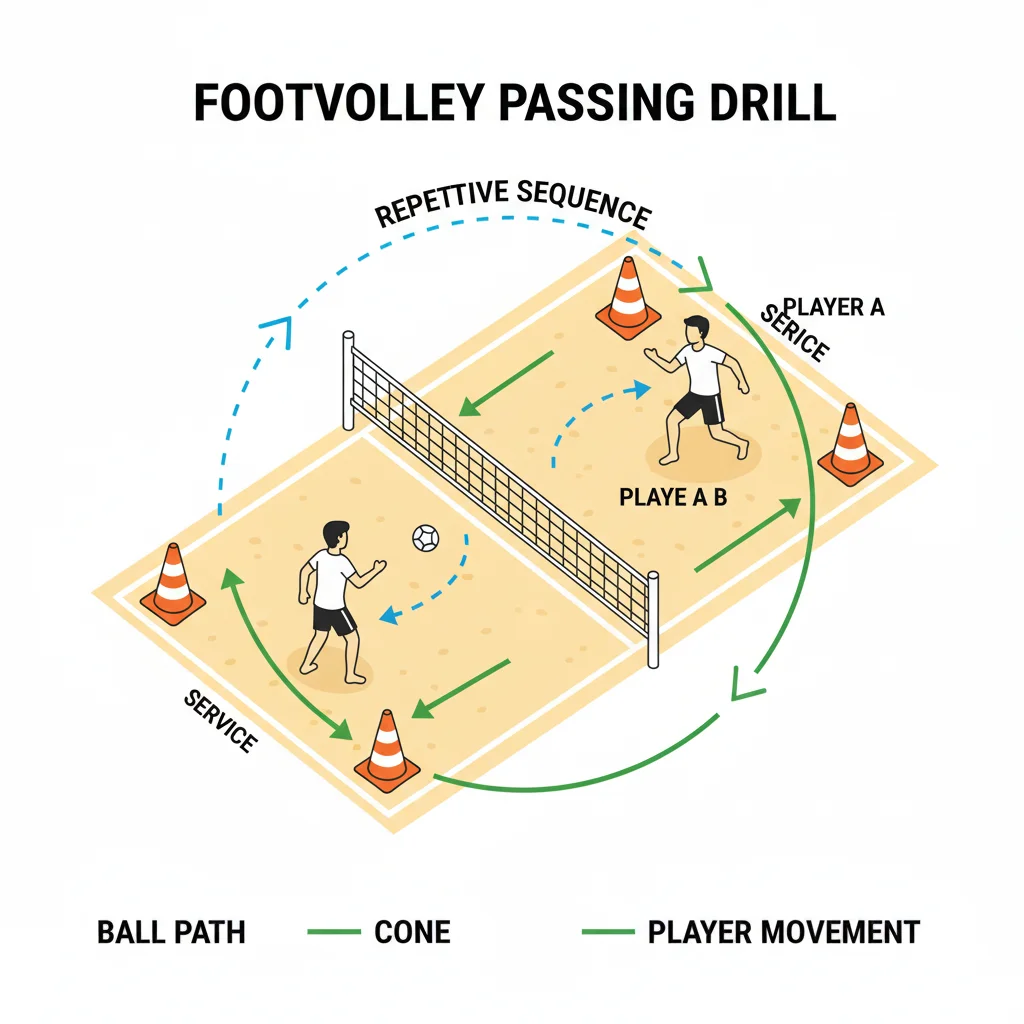
Drill 9: Random Ball Distribution Passing
Objective: Improve reaction time, adaptability, and passing from various angles.
Setup: Two players, one ball, a third person (or a machine) to toss balls.
Execution:
- Player A stands on one side of the net. Player B is on the other.
- The third person randomly tosses balls to Player B’s side of the court, varying height, speed, and location.
- Player B must react quickly, get to the ball, and pass it accurately to Player A.
- Player A then returns the ball to the tosser.
- Focus on rapid footwork, choosing the correct passing technique, and maintaining composure under pressure.
Progression: Introduce a time limit for each pass, or have Player A return the ball to a specific target area.
Tips for Maximizing Your Footvolley Passing Drills
Beyond the drills themselves, how you approach your training can significantly impact your progress. Here are some key tips:
- Consistency is Key: Short, regular practice sessions are more effective than infrequent, long ones. Aim for at least 3-4 times a week.
- Focus on Technique First: Don’t prioritize power or speed over proper form. Master the technique, then gradually increase intensity.
- Repetition, Repetition, Repetition: Muscle memory is built through consistent repetition. Perform each drill many times.
- Video Yourself: Record your passing sessions. Watching yourself play can reveal flaws you wouldn’t otherwise notice.
- Get Feedback: Ask your partner or a more experienced player to observe and provide constructive criticism.
- Vary Your Drills: Don’t stick to just one or two drills. Mix them up to keep training engaging and develop a wider range of skills.
- Warm-Up Properly: Always start with a dynamic warm-up to prevent injuries and prepare your muscles for activity.
- Cool-Down and Stretch: Essential for recovery and flexibility, which contributes to better performance.
- Stay Hydrated: Especially when training on the beach in the sun.
- Analyze Game Situations: During actual games, pay attention to when and why passes succeed or fail. Use this information to tailor your footvolley passing drills.
- Mental Fortitude: Passing under pressure requires focus and calm. Practice visualizing successful passes.
- Strength and Conditioning: Strong legs and core muscles are vital for powerful and controlled passes. Incorporate exercises like squats, lunges, and planks into your routine.
- Ball Familiarity: Spend time just juggling the ball, getting a feel for its weight and bounce. This seemingly simple activity greatly enhances touch and control.
Integrating Passing into Your Overall Footvolley Strategy
Passing isn’t an isolated skill; it’s intricately linked to every other aspect of footvolley. A well-executed pass sets the stage for a powerful spike, an effective block, or a strategic placement. Consider these strategic insights:
- Communication with Your Partner: Before and during a rally, clear communication about who is taking the ball, where you want the pass, and what the next move is, is paramount. Use simple calls like ‘mine,’ ‘yours,’ ‘set,’ ‘net.’
- Anticipation: Develop the ability to read your opponent’s serve or attack. Where is the ball likely to land? How much power will it have? This allows you to get into position early.
- Targeting: Don’t just pass the ball anywhere. Aim for a specific spot on the court, typically the ‘setter’s box’ (usually central, 1-2 feet from the net), to give your partner the best chance to make an attack.
- Varying Pass Types: Don’t rely solely on one type of pass. Be prepared to use instep, thigh, or even chest passes depending on the ball’s trajectory and speed.
- Passing Under Pressure: In a game, passes are often made under immense pressure. Practice drills that simulate this pressure to build confidence and composure.
- Defensive Passing: Sometimes, a pass isn’t for an attack but for defensive recovery. Learning to pass out of difficult situations, keeping the ball in play, is a crucial skill.
- Follow-Up: After you pass, don’t just stand there. Move into a defensive position or prepare for the next touch. The game is continuous.
Beyond the Drills: The Mental Game of Passing
While physical drills are essential, the mental aspect of footvolley passing is equally important. Confidence, focus, and resilience play a huge role in consistent performance.
- Visualization: Before a game or even during a drill, visualize yourself making perfect passes. This mental rehearsal can significantly boost your performance.
- Positive Self-Talk: Replace negative thoughts with positive affirmations. Instead of ‘I always mess up this pass,’ try ‘I will focus and execute this pass perfectly.’
- Learning from Mistakes: Don’t dwell on a bad pass. Analyze what went wrong, learn from it, and immediately refocus on the next play. Every mistake is an opportunity to improve.
- Staying Present: In the heat of the moment, it’s easy for your mind to wander. Practice mindfulness to stay present and focused on the ball and your target.
- Managing Pressure: High-stakes moments can lead to jitters. Develop routines or breathing exercises to calm yourself and maintain focus when it matters most.
Conclusion: Your Path to Footvolley Passing Mastery
Elevating your footvolley passing control and precision is a journey that requires dedication, intelligent practice, and a holistic approach. By consistently engaging in the footvolley passing drills outlined in this guide, understanding the fundamental techniques, and actively avoiding common mistakes, you will undoubtedly see a dramatic improvement in your game.
Remember, every great footvolley player, from the casual beach enthusiast to the professional athlete, began by mastering the basics. Passing is the heartbeat of footvolley. Cultivate a strong, consistent heartbeat, and you’ll not only enhance your own performance but also become an invaluable asset to any team you play with. Get out on the sand, embrace these drills, and watch your footvolley game transform!
Practice diligently, communicate effectively, and most importantly, enjoy the beautiful game of footvolley. Your journey to becoming a passing master starts now!