GPS Tracking for Soccer: A 4-Month Implementation Plan for 2026 Success
Anúncios
Implementing GPS Tracking for Performance Analysis: A 4-Month Plan for Soccer Clubs in 2026
The beautiful game of soccer is evolving, and at its heart is an increasing reliance on data to drive performance. As we look towards 2026, the competitive landscape demands that clubs, from grassroots to professional, leverage every available tool to optimize player potential and gain a crucial edge. Among these tools, GPS tracking technology stands out as a game-changer. This article presents a practical, time-sensitive 4-month plan for soccer clubs to effectively implement soccer GPS tracking for performance analysis, ensuring they are well-prepared for the challenges and opportunities of the upcoming seasons.
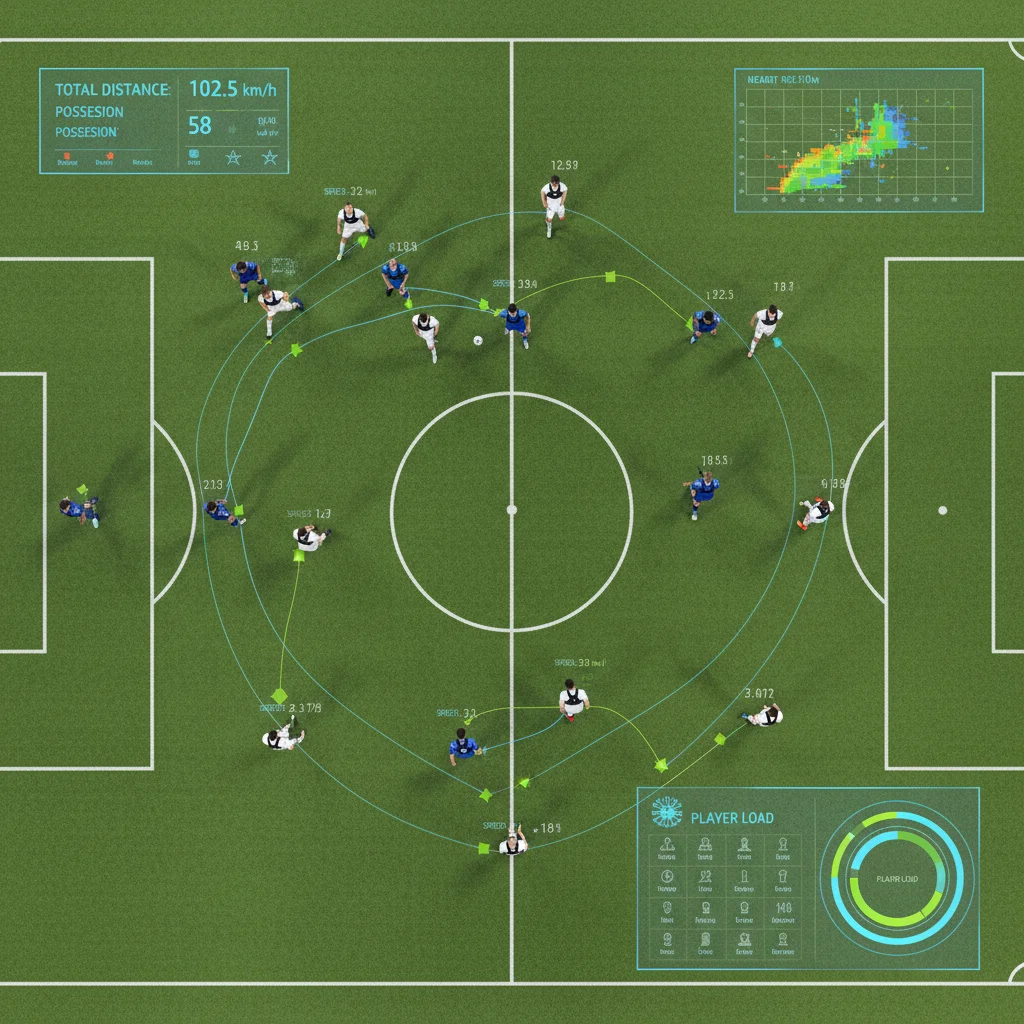
Gone are the days of purely subjective coaching. Today, objective data empowers coaches, sports scientists, and medical staff to make informed decisions regarding training loads, player recovery, tactical adjustments, and injury prevention. By meticulously tracking key metrics such as distance covered, speed, acceleration, deceleration, and heart rate, clubs can unlock a deeper understanding of individual and team performance. This isn’t just about knowing who runs the most; it’s about understanding how players move, when they fatigue, and what their physiological responses are to specific drills and match situations.
Anúncios
The 2026 season might seem distant, but effective implementation of a sophisticated system like soccer GPS tracking requires careful planning, execution, and integration into existing club structures. This 4-month roadmap is designed to guide clubs through the entire process, from initial assessment to advanced data utilization, ensuring a seamless transition and maximum benefit.
Month 1: Foundation and Procurement – Laying the Groundwork for Soccer GPS Tracking
The first month is critical for establishing a solid foundation for your soccer GPS tracking initiative. This involves a thorough assessment of your club’s needs, researching available technologies, and making informed procurement decisions.
Anúncios
Needs Assessment and Goal Setting
Before investing in any technology, clearly define what you aim to achieve. What are your club’s specific performance challenges? Are you looking to reduce injury rates, optimize training intensity, improve tactical understanding, or enhance player development? Involve key stakeholders: head coach, assistant coaches, sports scientists, medical staff, and even some senior players. Their input will be invaluable in shaping the requirements for your GPS system.
- Identify Key Performance Indicators (KPIs): What data points are most relevant to your club’s philosophy and objectives? (e.g., total distance, high-speed running, sprint distance, accelerations/decelerations, metabolic power, heart rate zones).
- Define User Requirements: Who will be using the system? What level of technical expertise do they possess? How will the data be accessed and interpreted by different departments?
- Budget Allocation: Determine the financial resources available for hardware, software, subscriptions, and potential training.
Market Research and Vendor Selection
The market for soccer GPS tracking systems is robust, with several reputable providers. Researching and comparing options is essential to find the best fit for your club’s specific needs and budget.
- Key Features to Look For: Accuracy (GPS signal quality, sampling rate), reliability (durability, battery life), data analysis software (user-friendliness, customization, reporting capabilities), integration with other systems (HR monitors, video analysis), customer support, and scalability.
- Reputable Vendors: Explore options from leading companies in sports technology. Request demos and trials if possible.
- Cost-Benefit Analysis: Evaluate the long-term value, not just the upfront cost. Consider ongoing subscription fees, maintenance, and potential ROI through improved performance and injury reduction.
- Reference Checks: Speak to other clubs or sports organizations that use the systems you are considering. Learn about their experiences, successes, and challenges.
Procurement and Initial Setup
Once a vendor is selected, proceed with the purchase and begin the initial setup phase.
- Order Hardware: GPS devices (pods), vests, charging stations.
- Software Installation: Install the necessary data analysis software on designated computers or access cloud-based platforms.
- Account Creation and User Permissions: Set up user profiles for staff with appropriate access levels.
- Device Registration: Register all GPS units with the software system.
Month 2: Training and Data Collection – Getting Hands-On with Soccer GPS Tracking
With the equipment in hand, Month 2 focuses on training your staff and players, and initiating consistent data collection. This is where the practical application of soccer GPS tracking truly begins.
Staff Training and Education
The success of your GPS tracking initiative hinges on your staff’s ability to effectively use the system and interpret the data. Comprehensive training is paramount.
- Vendor Training: Utilize the training resources provided by your chosen vendor. This often includes online tutorials, webinars, or even on-site workshops.
- Internal Workshops: Conduct internal training sessions for coaches, sports scientists, and medical staff. Focus on:
- Device handling and deployment (charging, assigning to players, wearing correctly).
- Data download and synchronization procedures.
- Basic software navigation and report generation.
- Understanding core metrics and their relevance to soccer.
- Privacy and data security protocols.
- Designate a Lead Analyst: Appoint a staff member (e.g., a sports scientist or performance analyst) to become the primary expert on the GPS system. They will be responsible for advanced analysis and training others.
Player Integration and Familiarization
Players need to understand the purpose and benefits of soccer GPS tracking to ensure compliance and buy-in. Address any concerns they might have about privacy or being constantly monitored.
- Introductory Sessions: Explain to players why GPS tracking is being implemented (e.g., injury prevention, performance optimization, personalized training).
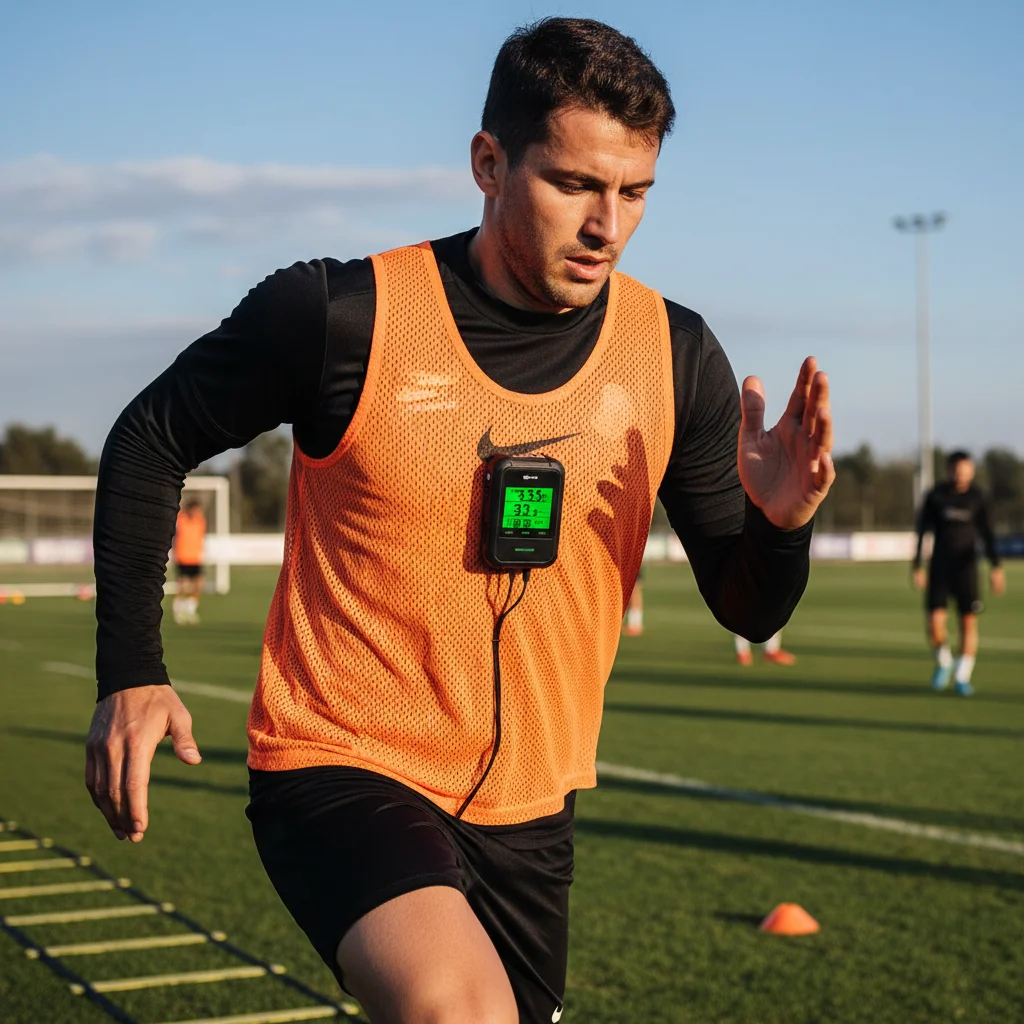
- Proper Wear: Demonstrate how to correctly wear the GPS vests/devices to ensure accurate data collection.
- Feedback Loop: Assure players that the data is used to help them, and that they will receive relevant feedback on their performance.
Initial Data Collection and Baseline Establishment
Begin collecting data during all training sessions and, if applicable, friendly matches. This initial period is crucial for establishing baseline performance metrics.
- Consistent Protocol: Implement a consistent protocol for deploying devices, collecting data, and downloading it after each session.
- Baseline Data: Collect data for at least 2-3 weeks to establish individual and team baselines for key metrics. This will serve as a reference point for future analysis and comparison.
- Troubleshooting: Expect initial challenges (e.g., device malfunctions, data upload issues). Document these and work with your vendor’s support to resolve them quickly.

Month 3: Analysis and Application – Turning Data into Actionable Insights
By Month 3, you should have a significant amount of data. The focus now shifts from collection to meaningful analysis and applying those insights to training and performance strategies.
Data Analysis and Interpretation
This is where the magic happens – transforming raw data into actionable intelligence. Your lead analyst will play a crucial role here.
- Regular Reporting: Establish a routine for generating daily, weekly, and monthly reports. These reports should be tailored to different stakeholders (e.g., high-level summaries for the head coach, detailed physiological data for the medical team).
- Trend Identification: Look for trends in player performance. Are certain players consistently under-performing or over-performing in specific metrics? Are there signs of fatigue accumulating over time?
- Comparative Analysis: Compare individual player data against their own baselines, team averages, positional averages, and even benchmark data from elite leagues (if available).
- Match vs. Training Load: Analyze the differences between training loads and match demands. Are your training sessions adequately preparing players for the intensity of games?
- Injury Risk Assessment: Utilize metrics like acute-to-chronic workload ratios to identify players at higher risk of injury.
Integration into Training Design
The insights derived from soccer GPS tracking should directly influence your training methodology.
- Individualized Training Plans: Adjust training loads for individual players based on their GPS data. A player returning from injury might need a gradual increase in high-speed running, while another might need more exposure to acceleration drills.
- Session Design Optimization: Modify drill intensity, duration, and recovery periods based on the physical demands observed through GPS data. For example, if a particular drill consistently falls short of match intensity for key metrics, it can be adjusted.
- Tactical Implementation: Analyze player movement patterns in relation to tactical instructions. Are players covering the right areas? Are they maintaining positional discipline?
- Recovery Strategies: Use data to inform recovery protocols. Players with exceptionally high workloads might require more active recovery or specific nutritional interventions.
Feedback Sessions
Regularly communicate findings to players and coaching staff. This fosters a culture of data-driven decision-making and reinforces the value of the GPS system.
- Player Feedback: Conduct one-on-one sessions with players to discuss their performance data, highlight areas of improvement, and celebrate achievements.
- Coaching Staff Meetings: Present key findings to the coaching staff, discussing implications for upcoming training sessions and match strategies.
Month 4: Refinement and Advanced Strategies – Maximizing Your Investment
The final month of this plan focuses on refining your processes, integrating GPS data more deeply, and exploring advanced applications to truly maximize the benefits of soccer GPS tracking.
Process Refinement and Standardization
Review and optimize your entire workflow for soccer GPS tracking.
- Standard Operating Procedures (SOPs): Document clear SOPs for device deployment, data collection, analysis, reporting, and feedback. This ensures consistency, especially with staff changes.
- Software Customization: Explore advanced features of your GPS software. Can you create custom dashboards, reports, or alerts that are more specific to your club’s needs?
- Data Storage and Archiving: Establish a robust system for storing and archiving historical data for long-term analysis and player development tracking.
Advanced Data Integration and Predictive Analytics
Look for opportunities to integrate soccer GPS tracking data with other performance metrics.
- Combined Data Sets: Integrate GPS data with heart rate variability (HRV), sleep tracking, wellness questionnaires, strength and conditioning data, and even video analysis. This holistic view provides a more comprehensive picture of player status.
- Injury Prediction Models: Work with sports scientists to develop or utilize existing models that can predict injury risk based on workload accumulation, fatigue markers, and previous injury history.
- Performance Modeling: Explore how GPS data can be used to model optimal performance for specific positions or tactical roles.
Long-Term Player Development and Scouting
Soccer GPS tracking is not just for the first team; it’s a powerful tool for long-term player development and even scouting.
- Academy Integration: Extend GPS tracking to your academy teams to monitor the physical development of young players, identify talent, and manage their progression through different age groups.
- Scouting Insights: While less common, some clubs use GPS data from trialists or potential recruits (if available) to assess their physical capabilities and how they align with the club’s playing style.
- Performance Benchmarking: Continuously benchmark your players against internal and external standards to identify areas for improvement and guide development pathways.
Challenges and Considerations for Effective Soccer GPS Tracking
While the benefits of soccer GPS tracking are undeniable, clubs must be aware of potential challenges and how to mitigate them.
Data Overload and Interpretation
The sheer volume of data generated can be overwhelming. It’s crucial to have skilled personnel who can filter, analyze, and present relevant insights without getting lost in the noise. Focus on the KPIs that directly relate to your club’s objectives.
Player Buy-in and Compliance
Players might initially resist wearing devices or feel overly scrutinized. Open communication, demonstrating the benefits to their performance and health, and ensuring privacy are key to gaining their trust and cooperation.
Technical Issues and Maintenance
Like any technology, GPS systems can experience technical glitches, battery issues, or device damage. Establish clear protocols for troubleshooting, maintenance, and communication with your vendor’s support team.
Cost and ROI
The initial investment in GPS tracking technology can be substantial. Clubs must continually assess the return on investment (ROI) by tracking improvements in performance, reductions in injury rates, and overall player availability. A successful implementation should demonstrate tangible benefits that outweigh the costs.
Integration with Coaching Philosophy
GPS data should complement, not replace, the coach’s eye and intuition. The goal is to provide objective information that enhances decision-making, not to dictate every aspect of training or tactics solely based on numbers. A balanced approach is essential.
Conclusion: A Data-Driven Future for Soccer Performance
The implementation of soccer GPS tracking is no longer a luxury but a necessity for clubs aspiring to achieve peak performance and sustain success in the modern era. This 4-month plan provides a structured, actionable roadmap to integrate this powerful technology effectively into your club’s operations by 2026. By focusing on meticulous planning, comprehensive training, insightful analysis, and continuous refinement, clubs can unlock a new dimension of understanding regarding player physiology, training efficacy, and tactical execution.
Embracing a data-driven approach through GPS tracking will empower your coaching staff to make more informed decisions, personalize training programs, mitigate injury risks, and ultimately, elevate individual and team performance to unprecedented levels. The future of soccer is here, and it’s being shaped by smart data. Are you ready to lead the charge?